Non classé

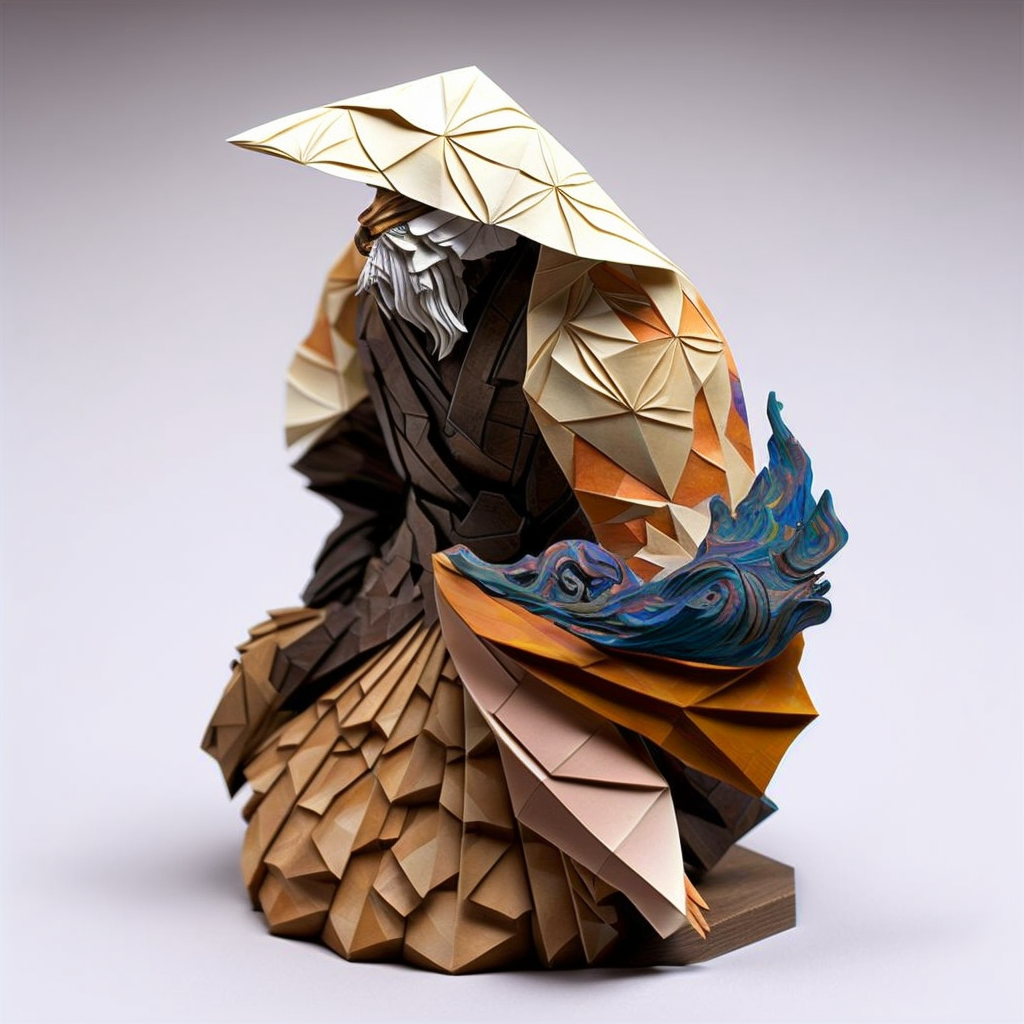
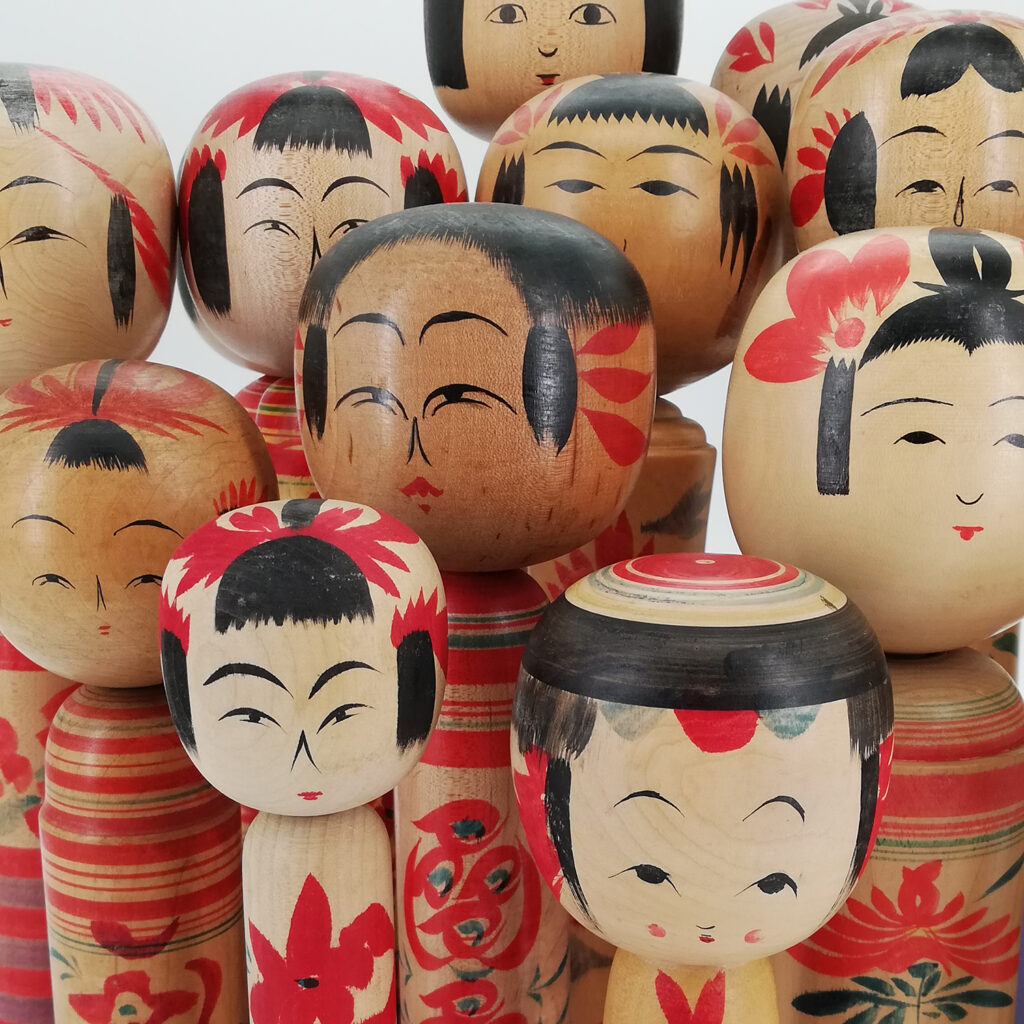
Japanese Kokeshi dolls

Exploring Japanese kokeshi: Aesthetics and cultural symbol

Japanese kokeshi are traditional dolls made by hand from wood. These dolls are elongated and cylindrical in shape, with a rounded head without arms or legs, and are often decorated with simple but elegant designs. They are native to the Tohoku region in northern Japan, but have become popular throughout the country and are valued […]

Exploring Japanese kokeshi: Aesthetics and cultural symbol Read More »
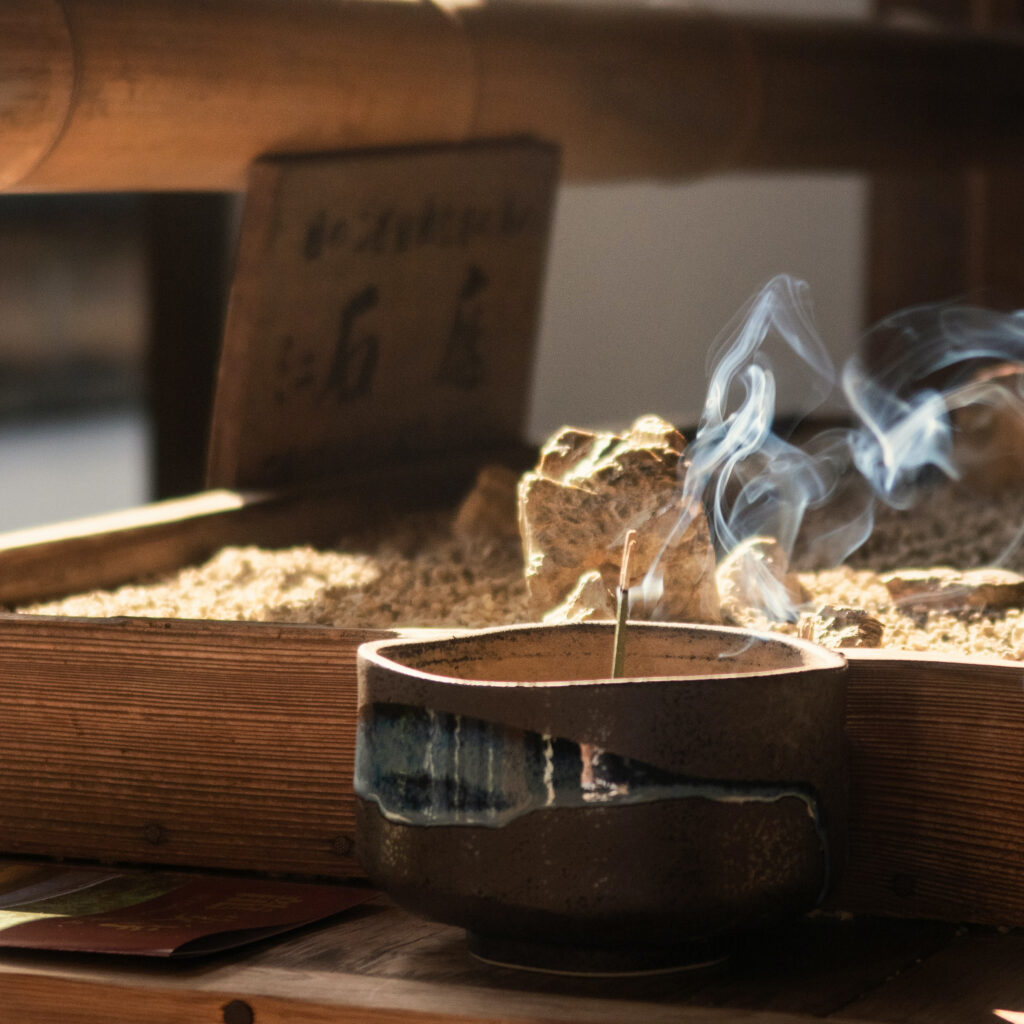
Explore the Magic of Japanese Incense for a Zen Ambience

Kōdō, a Japanese art

Kōdō (香道)is an ancient Japanese art of incense. It is one of the three traditional arts along with the tea ceremony and ikebana. It is a spiritual and cultural practice that is still practiced today by many followers in Japan and other parts of the world. The word Kōdō is made up of two kanji:

Kōdō, a Japanese art Read More »

Taiyō no tō - Tarō Okamoto

Tarō Okamoto: biography of an influential Japanese art artist

Tarō Okamoto (岡本 太郎, Okamoto Tarō) was a Japanese painter, sculptor and multidisciplinary artist, famous for his colourful and bold works. Born in 1911 in Kawasaki, Japan, Okamoto began painting at an early age and quickly developed a unique style that reflected his interests in modern Western art and Japanese artistic traditions. Okamoto studied art

Tarō Okamoto: biography of an influential Japanese art artist Read More »

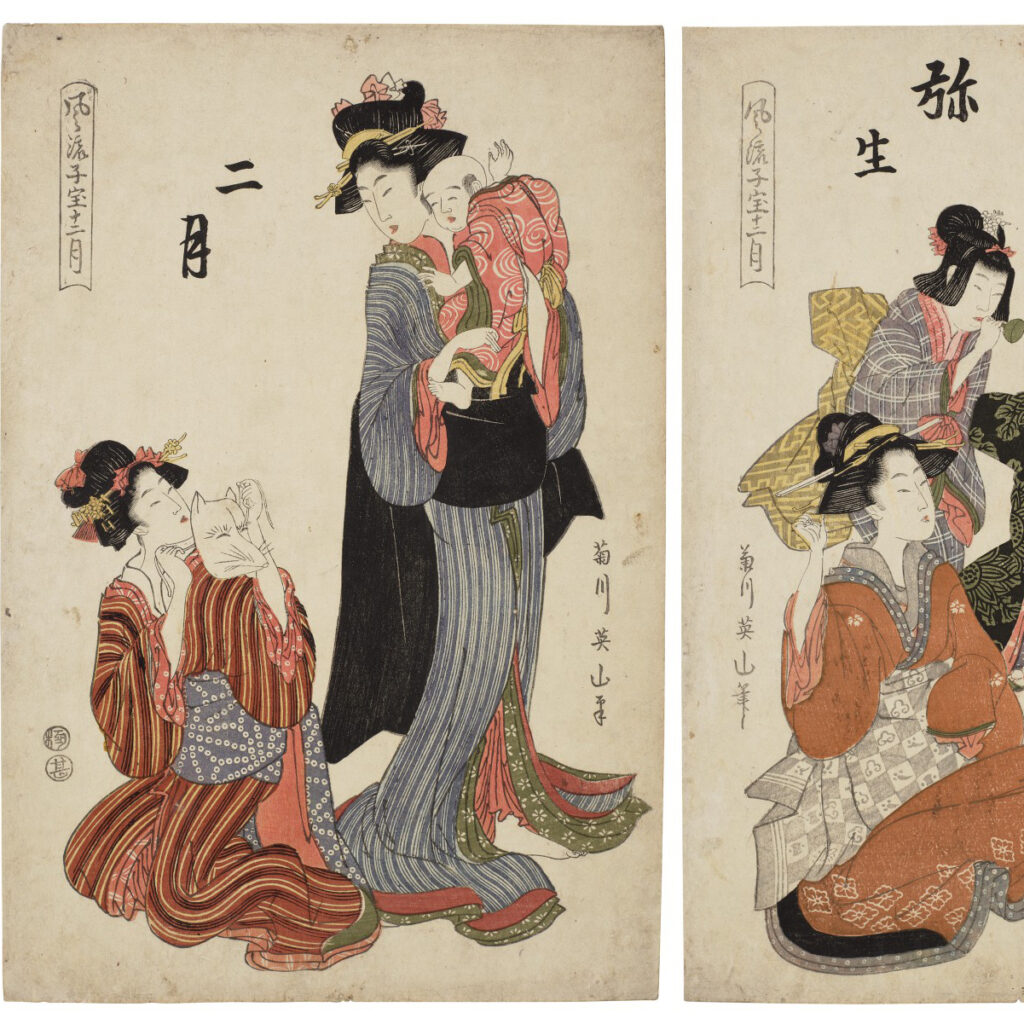
Japanese ukiyo-e prints Kikugawa Eizan

Exploring Ukiyo-e: Popular Japanese Printmaking

Ukiyo-e is a very popular form of Japanese printmaking, which has influenced many artists around the world. It is characterized by its genre scenes and beautiful landscapes. Let’s find out in detail what Japanese Ukiyo-e printmaking is and what it owes its popularity to. What is Japanese Ukiyo-e printmaking Ukiyo-e is a traditional Japanese printmaking

Exploring Ukiyo-e: Popular Japanese Printmaking Read More »

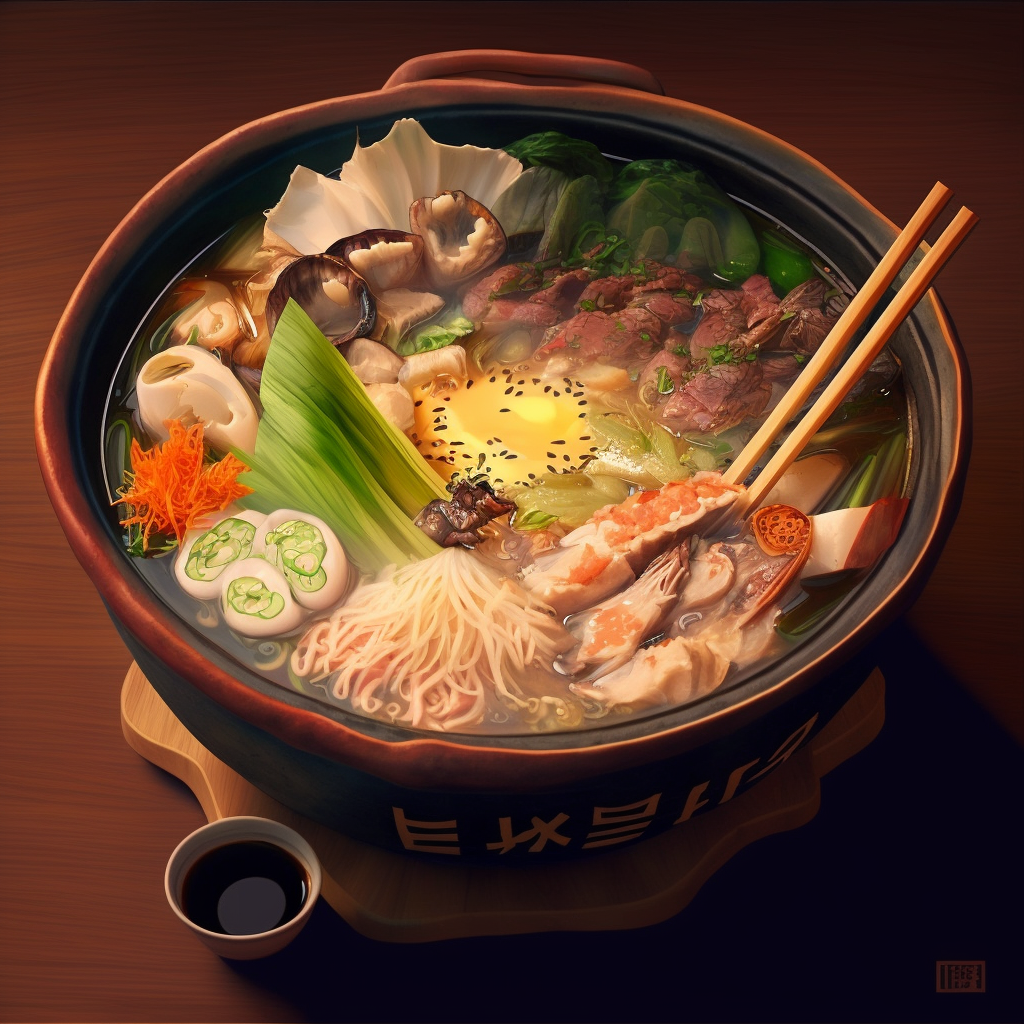
Nabemono, traditional Japanese dish

Explore the Unique Taste of Nabemono, the Japanese Fondue

Nabemono, also known as Japanese hot pot, is a perfect culinary fusion of unique flavors and textures. A combination of colorful and flavorful ingredients added to fragrant broths to offer a complete culinary experience. Read on to learn more about Nabemono and what makes it so special. A Japanese Culinary Fusion: Nabemono Nabemono is a

Explore the Unique Taste of Nabemono, the Japanese Fondue Read More »

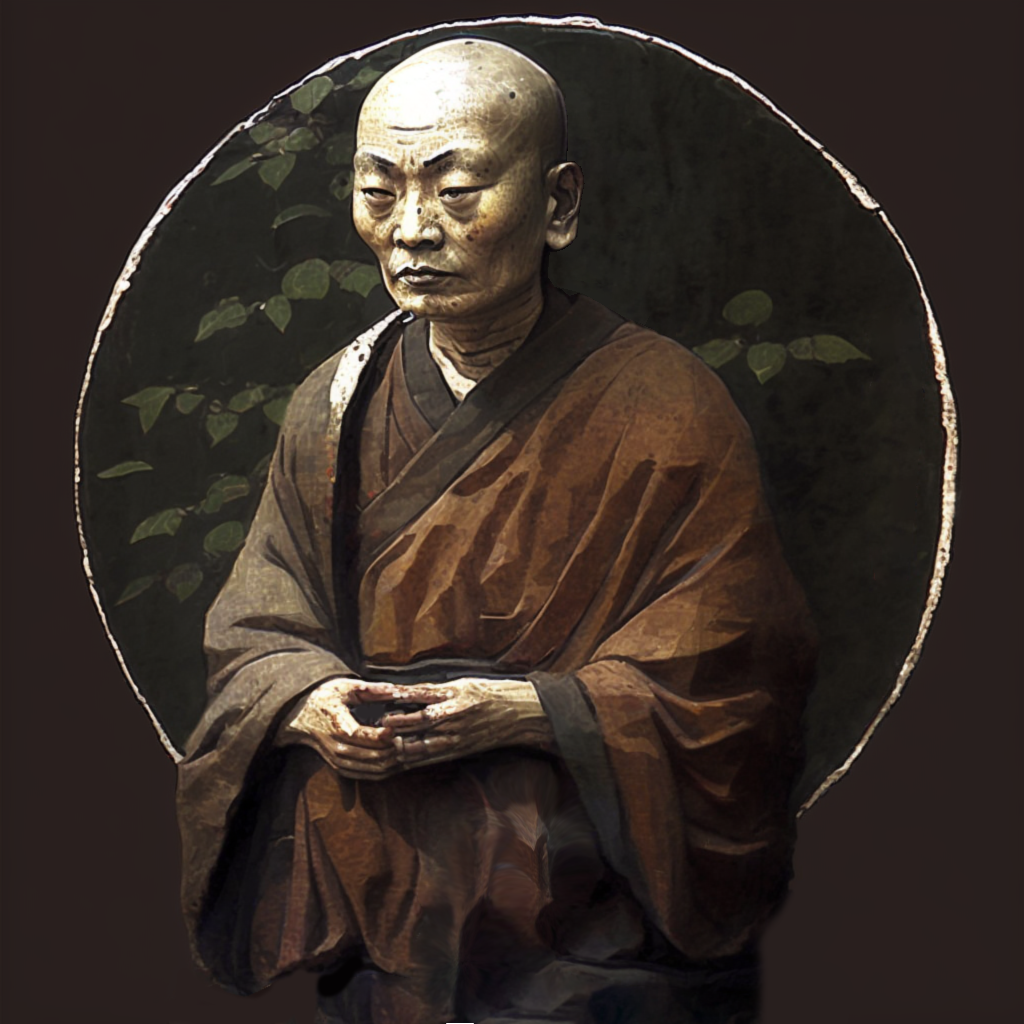
Saichō, founder of the Tendai Buddhist sect

Saichō, founder of the Tendai Buddhist sect

Saichō was a Buddhist teacher whose influence was decisive for Japanese Buddhism. His exceptional contribution to the formation of what is now known as the Tendai Buddhist sect is incomparable. His life and work are of vital interest for understanding Japan, and more specifically Japanese Buddhism. The Founding Father: Saichō Saichō (767 – 822), born

Saichō, founder of the Tendai Buddhist sect Read More »

Manga shojo girl group on the street

Explore the Fascinating Universe of Shōjo Manga

Shōjo manga are one of the most popular categories of Japanese comics. Enjoyed by millions of readers around the world, they offer a unique insight into Japanese culture and values. Discover the must-haves of shōjo manga and learn more about this fascinating genre. The Shōjo Manga Essentials The term “shōjo manga” refers to Japanese comics

Explore the Fascinating Universe of Shōjo Manga Read More »

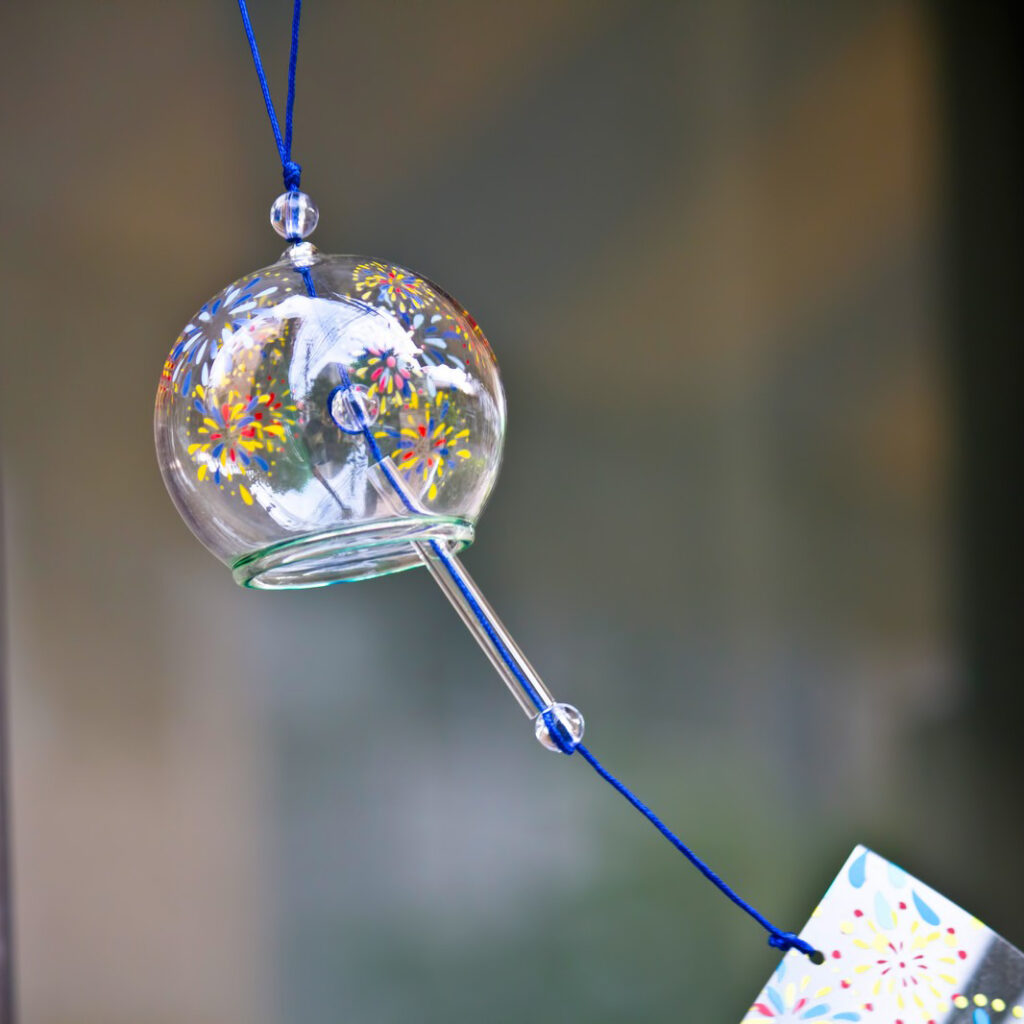
japanese furin glass wind bell

Fūrin : carillon – Japanese cast iron wind bell

The Fūrin originated in China, where it was called “風鐸” (fuutaku) is a cast iron, ceramic or glass wind bell, originating from Japan. Featuring a traditional design and a magical sound, it has become a typical symbol of the Japanese garden. A Fresh Wind: the Japanese Fūrin Originally, Fūrin, or Japanese wind chimes, were used

Fūrin : carillon – Japanese cast iron wind bell Read More »

Scroll to Top