What is the Shinkansen train in Japan?
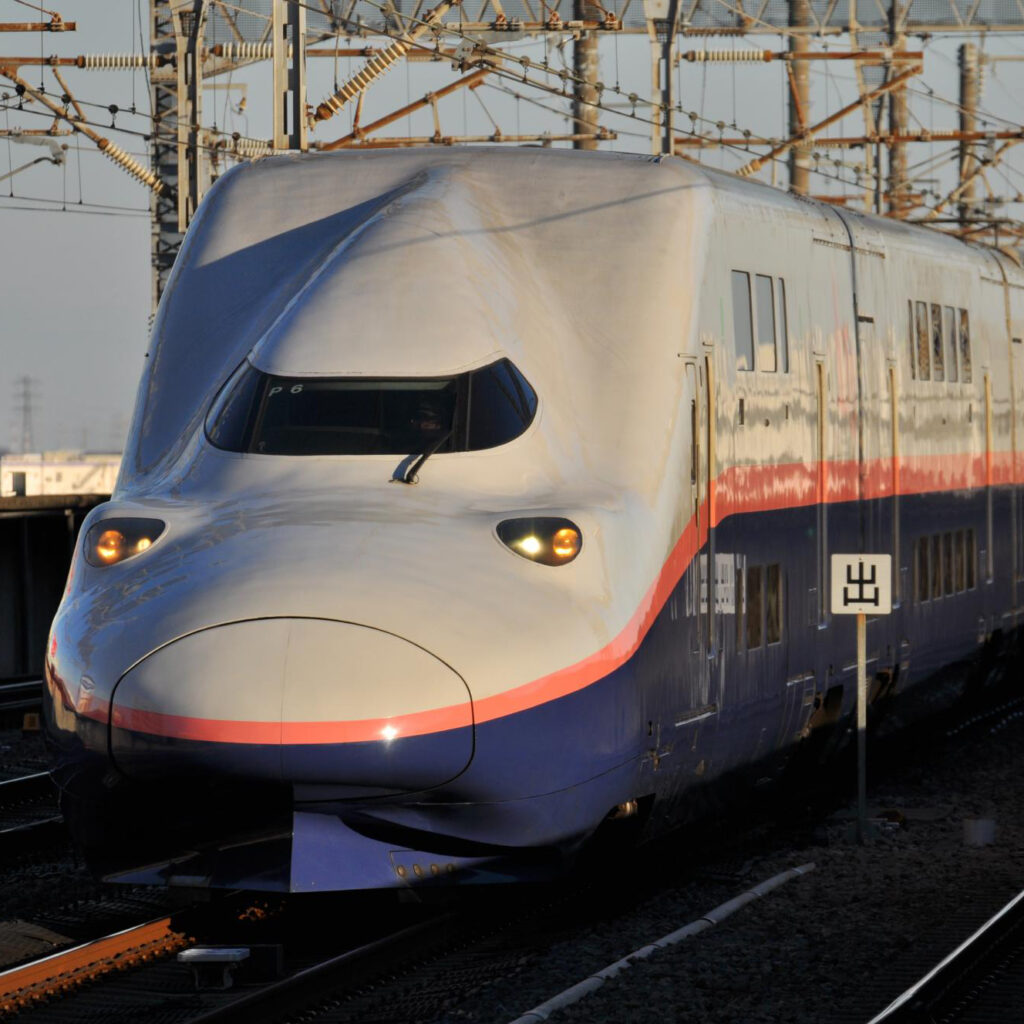
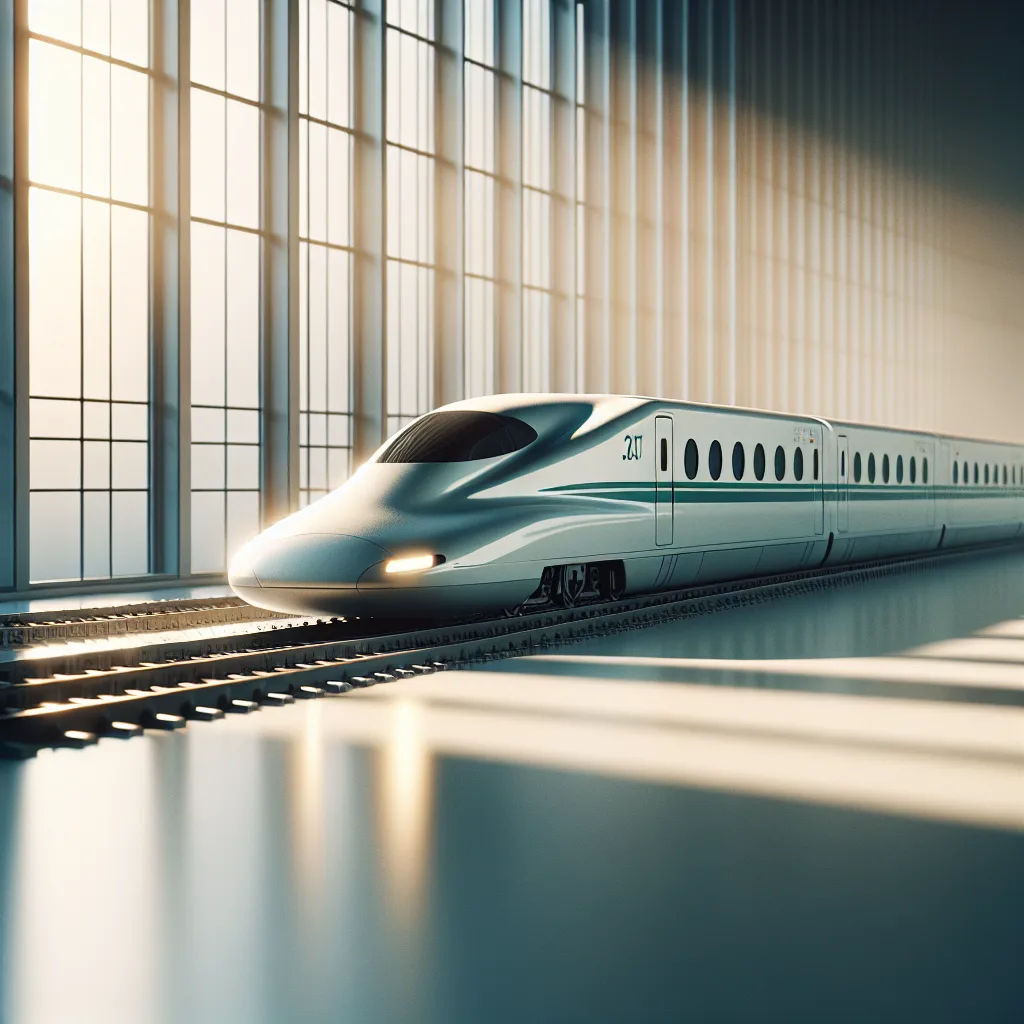
The Shinkansen refers to Japan’s world-famous high-speed rail system, known for its punctuality and cutting-edge technology. Launched in 1964, the Shinkansen connects major cities across Japan with trains that run at speeds exceeding 320 km/h (199 mph). Originally established for the Tokyo Olympics, this “bullet train” has become a symbol of Japanese efficiency and technological advancement.
The Tokaido Shinkansen, the first line, links Tokyo and Osaka, two of Japan’s largest economic hubs. An intriguing fact: on average, the Shinkansen experiences an annual delay of less than a minute, underscoring its legendary reliability.
How do I travel on the Shinkansen in Japan?
Traveling on the Shinkansen is a seamless experience, offering various seating classes, akin to airlines. Tickets can be purchased in advance via ticket machines or online platforms such as Japan Railways’ official site. For tourists, the Japan Rail Pass offers unlimited travel on the Shinkansen and other JR trains for a set period, which can be a cost-effective option.
You are encouraged to try the regional specialties sold at stations, known as ekiben (station bento), which offer a taste of local cuisine. For instance, the Tokyo Station features a popular ekiben called the “Marbled Beef Kamameshi Bento,” showcasing prime wagyu beef.
Natural search link: explore Shinkansen on nipponboutique.fr, in English
Why is the Shinkansen important in Japanese culture?
The Shinkansen holds a special place in Japanese culture, embodying the nation’s commitment to precision, dependability, and forward-thinking technology. It also plays a significant role in shaping Japan’s socioeconomic landscape by reducing travel times and fostering regional connectivity. The Shinkansen is not just a train; it reflects Japan’s post-war economic resurgence and technological prowess.
Moreover, the Shinkansen has influenced international perceptions of Japanese innovation, serving as a model for rail systems globally. Rail enthusiasts and industry experts often cite it as a benchmark for excellence in transportation.
What are the best tips for riding the Shinkansen?
For an optimal Shinkansen experience, consider these tips: opt for Green Car seats for enhanced comfort akin to business class, plan trips to coincide with less busy periods such as mid-week, and always reserve seats in advance during peak seasons, like Golden Week or cherry blossom season. Additionally, bring your own snacks and drinks, although the train offers a food cart service. Finally, be ready to admire the scenic views of Mount Fuji from the left side of the train when traveling from Tokyo to Osaka.
Frequently Asked Questions about the Shinkansen
What are the different types of Shinkansen trains?
The Shinkansen network comprises several types, including Nozomi, Hikari, and Kodama on the Tokaido line, each differing in terms of speed and number of stops. Nozomi is the fastest but not covered by the Japan Rail Pass.
Can I use the Japan Rail Pass on all Shinkansen trains?
The Japan Rail Pass is valid on most Shinkansen trains, except for the Nozomi and Mizuho services on specific lines. Travelers should check which services are included when planning their route.
How safe is traveling on the Shinkansen?
Traveling on the Shinkansen is extremely safe. The system boasts an immaculate safety record with zero fatalities due to derailments or collisions since its inception over five decades ago, combining advanced technology with rigorous maintenance protocols.