What is Karate martial art?
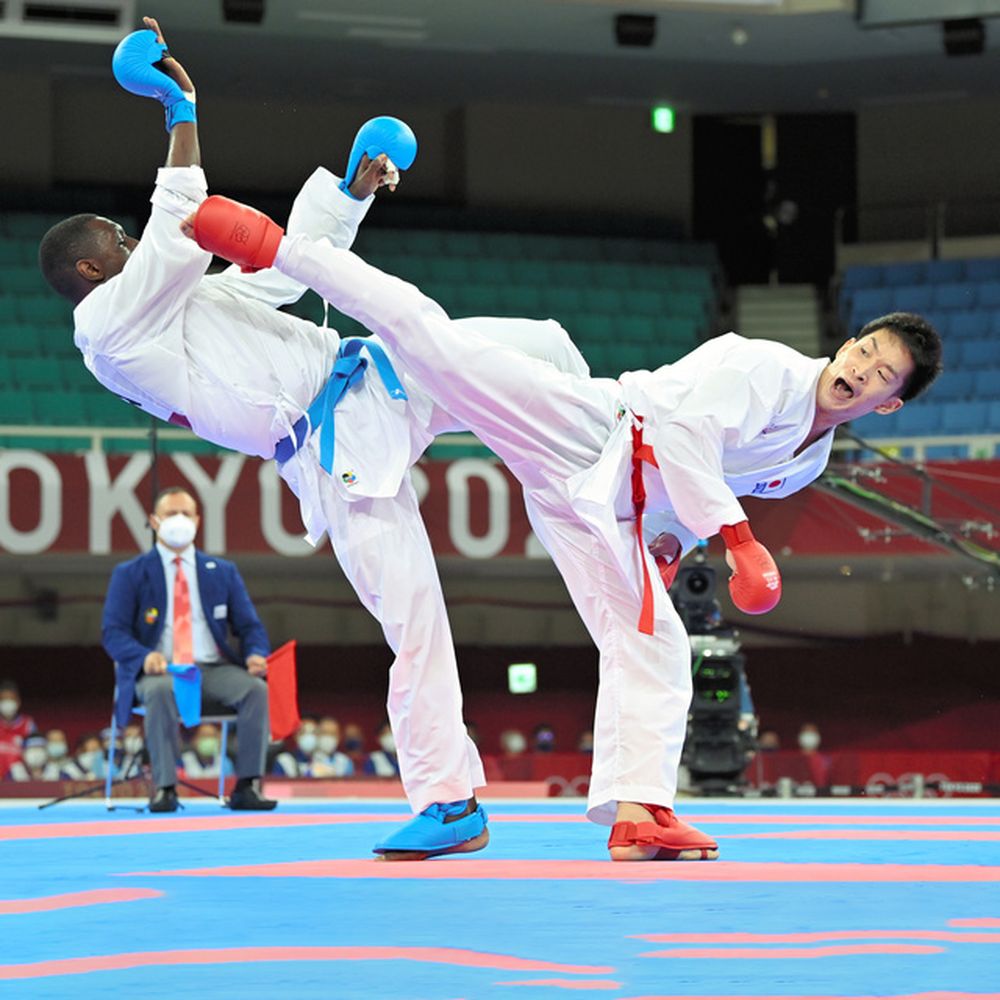
Karate is a traditional Japanese martial art that focuses on striking techniques such as punching, kicking, knee strikes, and elbow strikes. Originating from the Ryukyu Kingdom, now Okinawa Prefecture, Karate emphasizes discipline, mental resilience, and self-defense skills.
The origins of Karate can be traced back to the fusion of traditional Okinawan fighting styles, known as te (hand), and Chinese martial arts. This synthesis took place during the late 19th century and early 20th century. One of the significant influences was Fujian White Crane, a style imported to Okinawa from China. An intriguing fact is that Karate was not initially a singular martial art but various regional styles that were unified over time under the term karate-do (the way of the empty hand).
How can you experience or practice Karate in Japan?
To truly experience Karate in Japan, visiting Okinawa is a must, as it is the birthplace of this martial art. Okinawa hosts various dojos, including the Shureido Dojo in Naha and the Shidokan Dojo in Yonashiro. Here, visitors can learn from masters who have preserved the traditional values and techniques for generations.
Each year, the Okinawa Karate World Tournament attracts practitioners from all over the globe, providing a unique opportunity to witness Karate in its birthplace. The event showcases various styles, known as ryuha, such as Shorin-ryu, Goju-ryu, and Shotokan.
Explore Karate on nipponboutique.fr for more insights and resources in English.
Why does Karate matter in Japanese culture?
Karate is more than just a physical activity; it embodies the spirit of bushido (the way of the warrior), which emphasizes values such as respect, humility, and honor. It teaches perseverance through rigorous training and discipline, elements that have deeply penetrated Japanese culture.
The practice of Karate contributes to the concept of yamatodamashii (Japanese spirit), blending physical prowess with mental fortitude. This martial art has also served as a tool for cross-cultural exchange and has been a diplomatic bridge, showcasing Japanese cultural resilience and adaptability to the world.
What are practical tips for practicing Karate in Japan?
If you are planning to practice Karate in Japan, start by selecting a style that resonates with you, whether it’s Shotokan, Goju-ryu, or another ryuha. March to May is an ideal season to visit due to pleasant weather conditions, allowing for comfortable training.
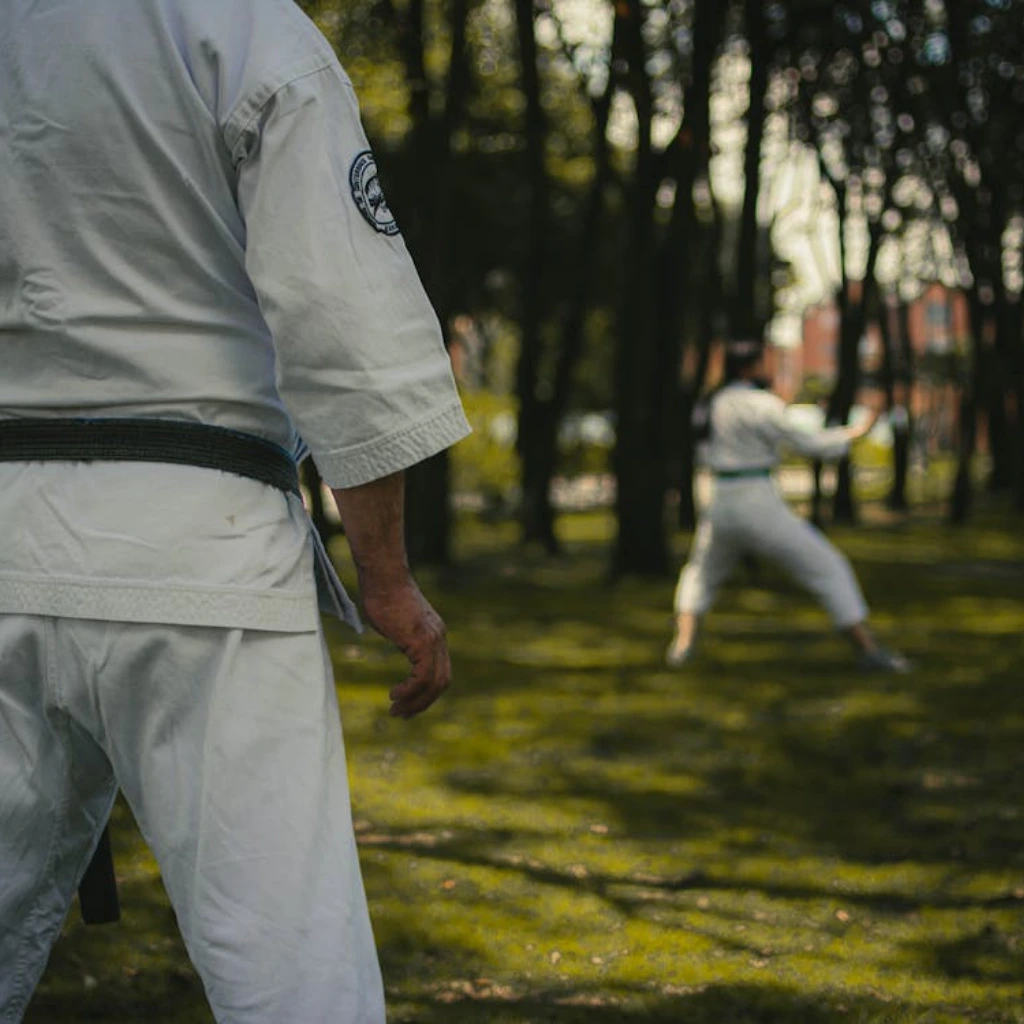
When attending a dojo, dress appropriately in a gi (karate uniform) and be prepared to follow strict protocols that respect the dojo’s traditions. Always confirm your accommodations near the dojo of your choice, and consider booking private lessons for a more personalized experience.
Common questions about Karate martial art
What are the basic techniques of Karate?
Karate includes basic techniques such as kihon (fundamental techniques), including strikes, kicks, blocks, and stances. These techniques form the foundation for more advanced practices.
Can beginners train Karate in Japan?
Yes, beginners can train Karate in Japan. Many dojos offer classes tailored for all skill levels, ensuring that everyone can learn and appreciate the art.
How has Karate evolved over time?
Karate has evolved from a local martial art in Okinawa to a worldwide discipline. It has incorporated various styles and techniques while maintaining its core values and traditional practices.