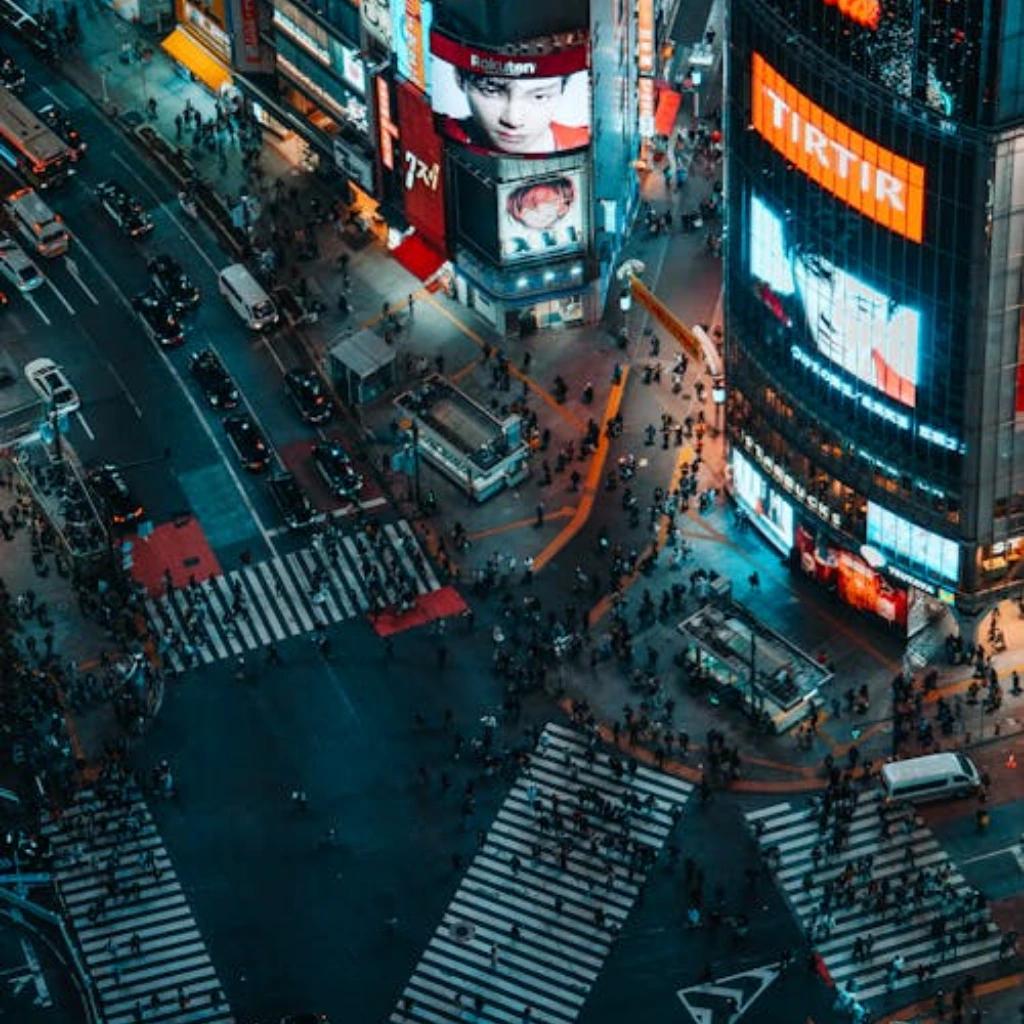
What is Shibuya Tokyo famous for?
Shibuya in Tokyo is renowned for its iconic crossing, vibrant youth culture, and cutting-edge fashion. This bustling ward is a kawaii (cute) haven filled with innovative shops and towering skyscrapers. The district’s most famous attraction, the Shibuya Crossing, is often dubbed the world’s busiest pedestrian intersection, where thousands cross in symphonic rhythm during every light change.
Shibuya is also steeped in cultural history. Once part of the Samurai class lineage of the 12th century under the Minamoto clan, the area now mixes ancient culture with modern dynamism. Visitors often miss the fact that beneath the modern facade, lies old shrines and hidden alleys reminiscent of historical Edo-period architecture.
How to experience Shibuya in Tokyo?
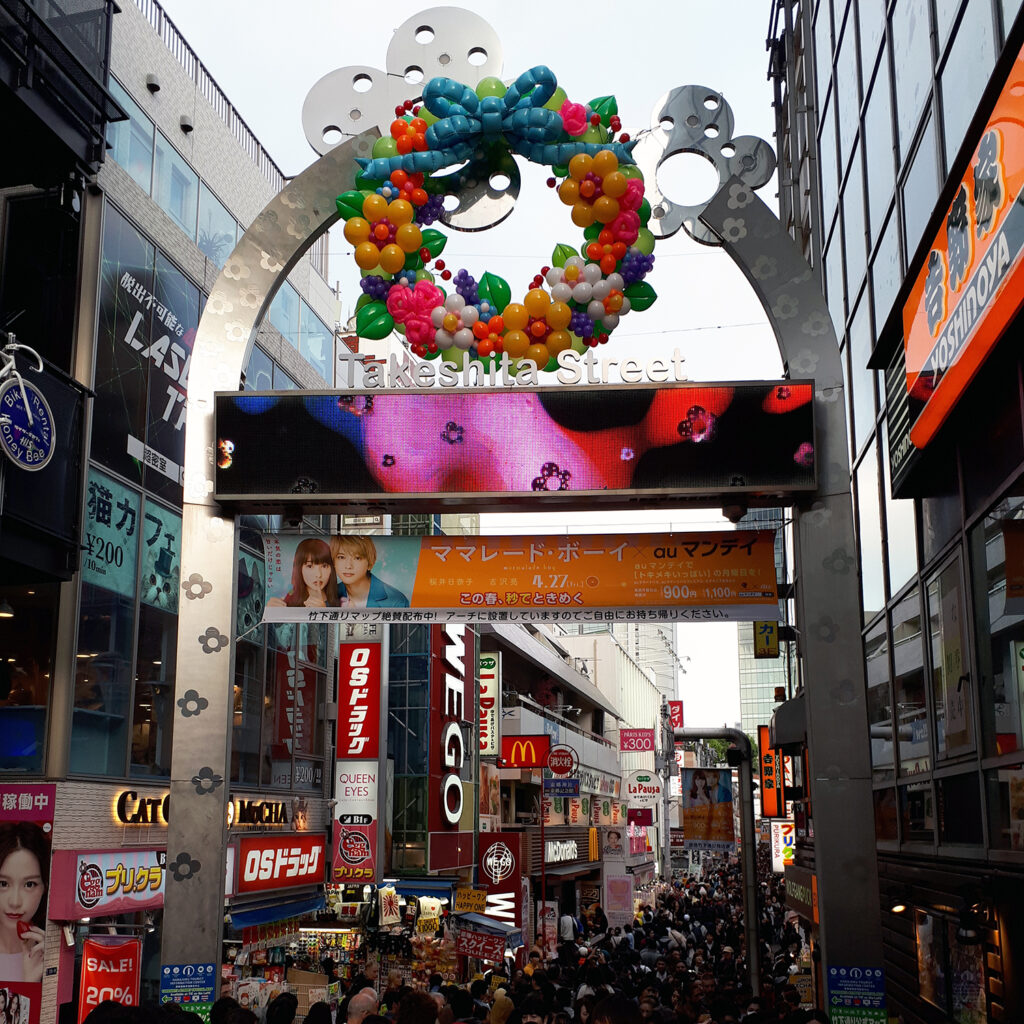
To truly experience Shibuya, immerse yourself in its kawaii culture and vibrant nightlife. Begin at Shibuya Crossing for the quintessential photo op, then head to Hachiko Square to see the statue of the loyal dog. Art enthusiasts should visit the Shibuya Hikarie, a 34-story complex offering art exhibitions and theater performances, while shoppers flock to Shibuya 109, a fashion mecca for trendsetting apparel.
The district transforms after dark with its dazzling lights and bustling izakayas. For a nightlife experience, venture into the labyrinthine alleys of Nonbei Yokocho (Drunkards’ Alley) to savor traditional street food and sake amidst old-world charm. Explore Shibuya on nipponboutique.fr for the array of activities and hidden gems.
Why does Shibuya matter to Japanese culture?
Shibuya embodies the confluence of tradition and innovation in Japanese culture. It showcases how historic neighborhoods can evolve into modern cityscapes without losing cultural essence. This district stands as a symbol of Japan’s post-war recovery, reflecting how urban redevelopment turned a rural village into a global cultural hub. Furthermore, Shibuya is pivotal in shaping youth trends and is influential in the international fashion scene, earning it the nickname “Futuristic Trendsetter.”
What are practical tips for visiting Shibuya, Tokyo?
When visiting Shibuya, timing is key. Aim for a weekday visit to avoid weekend crowds, and explore early morning for quieter streets. Wear comfortable shoes as you’ll be walking a lot in this dense area. When dining, try local favorites like yakitori (grilled chicken skewers) and make room for authentic sushi. For a serene escape, step into Yoyogi Park for a peaceful retreat amidst urban frenzy.
Avoid peak traffic times at Shibuya Crossing during rush hours and instead, observe the chaos from the Starbucks overlooking the intersection. To travel efficiently, get a Suica card for easy access to public transport and explore nearby wards such as Harajuku for an extended adventure.
FAQs about Visiting Shibuya
What is the best time to visit Shibuya in Tokyo?
The ideal times to visit Shibuya are during autumn (September – November) and spring (March – May) when the weather is pleasant and the annual hanami (cherry blossom viewing) makes parks like Yoyogi a visual delight.
How can I get to Shibuya from Tokyo Station?
From Tokyo Station, take the JR Yamanote Line directly to Shibuya, which takes approximately 23 minutes. Alternatively, take the Metro Ginza Line if you prefer a direct subway route.
What kind of shopping experience can I find in Shibuya?
Shibuya offers a diverse shopping experience, from the edgy fashion stores at Shibuya 109 to the upscale boutiques in Shibuya Hikarie. The area caters to a wide range of styles, making it a top destination for fashion enthusiasts.