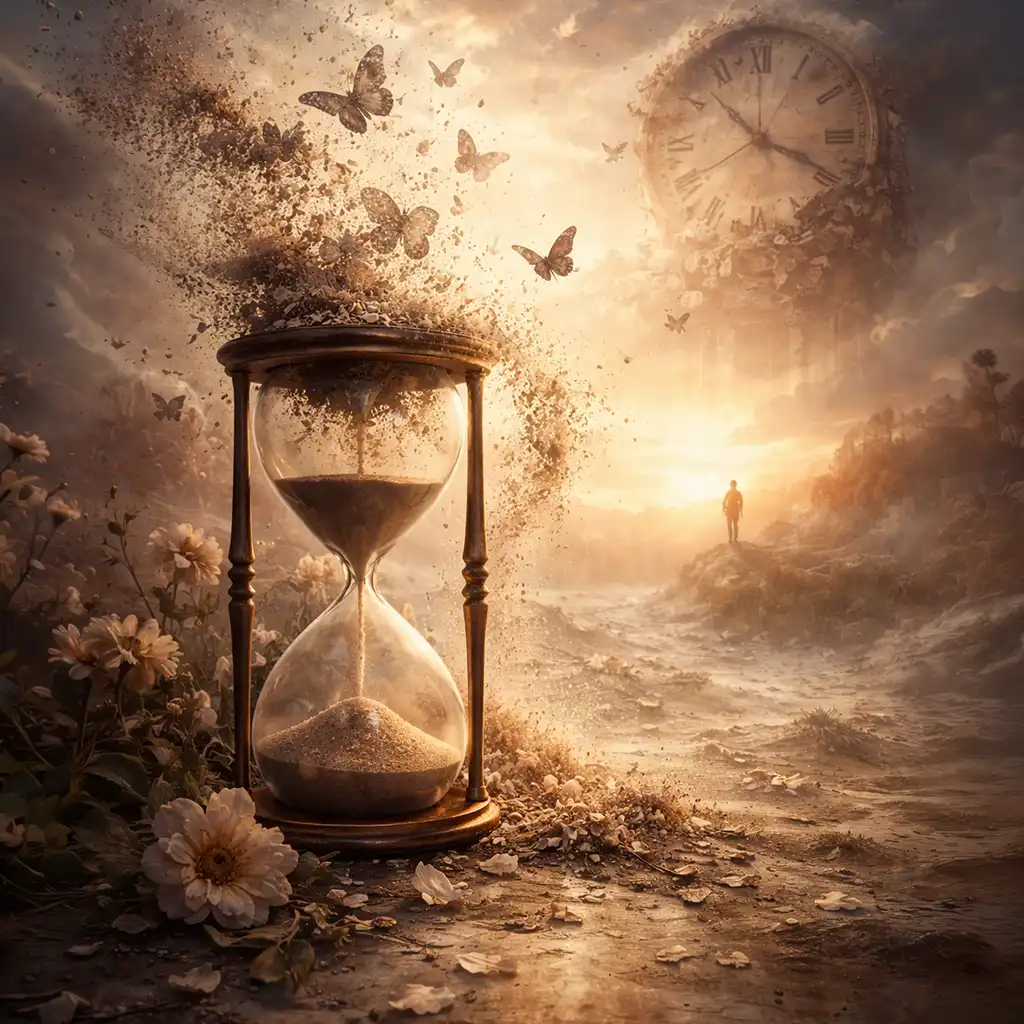
What is Mono no Aware in Japanese Culture?
Mono no aware is a Japanese aesthetic and philosophical concept encapsulating the beauty found in the transient and the sorrow in its fleeting nature. Originating from the Heian period (794-1185), this feeling is often described as a gentle sadness or wistful empathy toward the inevitable passing of time.
Historically, mono no aware was articulated by the scholar Motohori Norinaga in the 18th century. He used it to analyze literature from the Heian era, such as Genji Monogatari (The Tale of Genji), which is rich with this sentiment. A surprising example is the cherry blossom season, where people celebrate the fleeting beauty of the blossoms, fully aware of their ephemerality.
How to Experience Mono no Aware in Japan
To truly experience mono no aware, visit Japan during spring to partake in hanami (flower viewing) when cherry blossoms briefly bloom. Another ideal time is autumn, as the leaves change color but soon fall, bringing a tangible sense of impermanence.
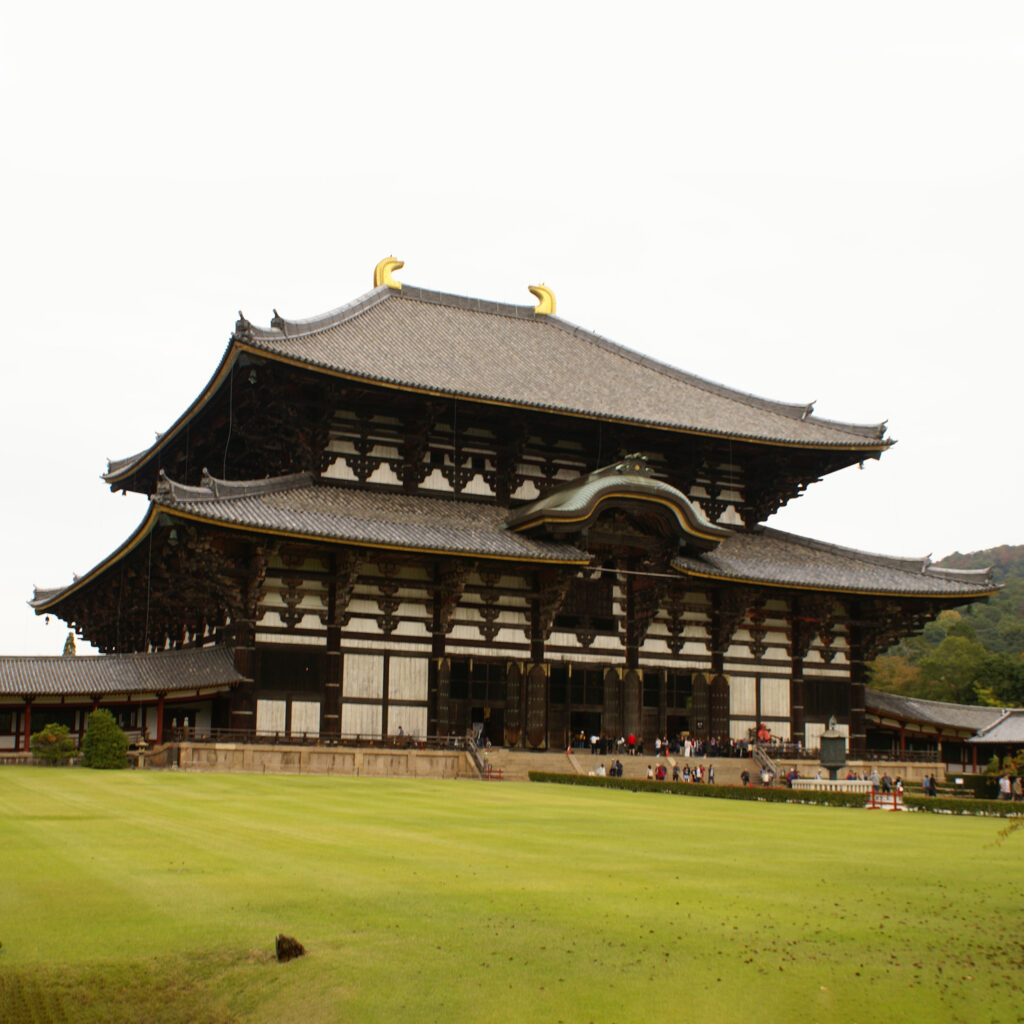
Exploring significant historical sites can invoke this feeling; for instance, Kyoto’s temples and shrines in harmony with natural settings are perfect for contemplation. Explore Mono no Aware on nipponboutique.fr for more experiences.
Why is Mono no Aware Important in Japanese Culture?
The cultural significance of mono no aware in Japan cannot be overstated. It underscores a deeply ingrained appreciation for life’s transitory nature, influencing art, literature, and daily life. It reflects Japan’s historical Buddhist influences focusing on mujo (impermanence), a central tenet that colors Japanese engagement with the world.
In Japanese society, this concept encourages mindfulness and presence, urging individuals to savor each moment despite its impermanence, echoing the cultural philosophy of living in the moment.
What Are Practical Tips to Embrace Mono no Aware?
When visiting Japan, to embrace mono no aware, consider engaging with nature deeply. In addition to participating in hanami, experience the symbiosis of architecture and nature by visiting traditional gardens and onsen (hot springs), which offer serene environments for reflection.
Engage with traditional art forms like ikebana (flower arranging) or tea ceremonies, which embody transient beauty. Avoid seeking perpetual joy, rather find contentment in the passage of time, a core lesson from mono no aware.
Mono no Aware FAQ
How is Mono no Aware expressed in Japanese art?
Mono no aware is conveyed through visual and literary arts, highlighting the beauty and sadness of fleeting moments. Famous works include ukiyo-e (woodblock prints) depicting ephemeral scenes.
What literature best illustrates Mono no Aware?
Tales like Genji Monogatari emphasize this aesthetic deeply, portraying characters experiencing profound, yet fleeting emotions tied to life’s transitory nature.
How can tourists appreciate Mono no Aware?
Tourists can appreciate it by engaging in seasonal Japanese practices like hanami, immersing in cultural rituals, and visiting historic sites that harmonize with natural landscapes.