What is a Japanese Onsen?
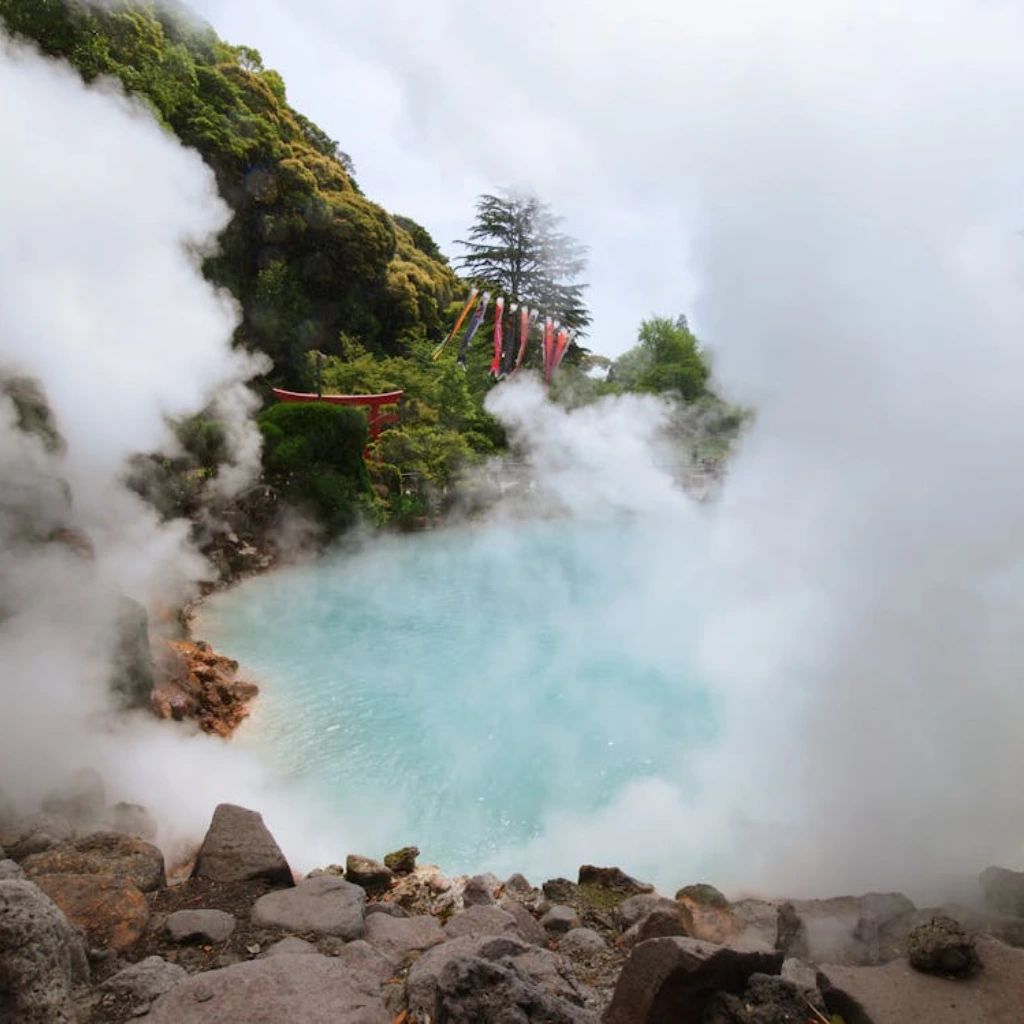
A Japanese onsen is a thermal hot spring and one of Japan’s quintessential experiences. Onsen have been part of Japanese culture for over a millennium, originating from the country’s abundant geothermal activity. Bathers flock to these natural hot baths for their healing properties due to mineral-rich waters such as sulfur, iron, and radium. This practice not only promotes relaxation but is tied deeply to Japanese traditions and local customs.
Interestingly, the town of Beppu in Kyushu is famed for having the highest concentration of hot springs in Japan, boasting over 2,300 vents. This makes Beppu an onsen paradise and a must-visit for thermal bathing enthusiasts.
How to Experience an Onsen in Japan?
Experiencing an onsen in Japan means immersing yourself in a serene environment and ancient bathing ritual. Traditionally, onsens are located in scenic settings such as mountains or coasts, enhancing the therapeutic experience. Travelers can visit famous onsen towns like Hakone, located near Tokyo, with views of Mount Fuji, or Noboribetsu in Hokkaido, known for its sulfuric waters and dramatic Hell Valley landscape.
Most onsens require bathers to wash thoroughly before entering the communal bath, and swimsuits are generally prohibited to maintain purity standards. The best time to experience an outdoor onsen, or rotenburo (open-air bath), is during winter when the contrast between the cold air and hot water is most pronounced. For specific onsen goods and experiences, explore Japanese onsen on nipponboutique.fr.
Why Are Onsens Important in Japanese Culture?
Onsens are a reflection of Japan’s appreciation for nature and relaxation. Historically, onsens were places for healing and recovery, known for their purported health benefits. They are deeply woven into the tapestry of Japanese spirituality and simplicity, embodying the Zen principles of tranquility and nature’s intrinsic beauty.
In Japanese society, onsens serve as communal places where individuals can relax and socialize, transcending social barriers. This communal aspect highlights the cultural value placed on harmony and community, known locally as wa (harmony). These values are evident during Oniishi Bozu Jigoku, a mud pool in Beppu that showcases local folklore through its unique mud formations.
What Are Practical Tips for Visiting an Onsen in Japan?
To ensure a pleasant onsen experience, it’s crucial to follow etiquette and traditions. First, always wash and rinse your body before entering the onsen pool to respect the purity of the water. Second, refrain from bringing any towels or materials into the bath itself; these are typically placed at the poolside.
For the best seasonal experience, visit onsens during winter months when the surrounding landscapes are enveloped in snow, providing a picturesque backdrop. Popular destinations include the snowy slopes of Jigokudani in Nagano, famous for snow monkeys that also enjoy the thermal waters.
As a pro tip, avoid peak holiday times such as the Golden Week in late April to early May and Obon in mid-August to minimize crowds, ensuring a peaceful and private session.
Japanese Onsen FAQs
Are tattoos allowed in Japanese onsen?
Tattoos have a traditional association with organized crime in Japan, making some onsen wary of allowing entry to tattooed visitors. However, many onsens, especially in tourist areas or newer establishments, have relaxed their policies or offer private baths.
What should I bring to an onsen visit?
Bring a small towel for washing and a larger towel for drying off afterwards. Most onsens provide basic toiletries, but it’s best to carry personal skin or hair care products.
Is it necessary to book an onsen visit in advance?
Reservations depend on the type of onsen and its popularity. While many onsens welcome walk-ins, staying at a ryokan (traditional inn) with onsen facilities often require advance booking to secure accommodations, particularly during peak seasons.