What is Children’s Day in Japan?
Children’s Day in Japan, known as Kodomo no Hi, is celebrated annually on May 5. It is a national holiday dedicated to celebrating the happiness and health of children. Established during the post-war period, it also acknowledges family unity and parental appreciation. Originally, this holiday was part of a larger festival known as Tango no Sekku (Boys’ Festival), but in 1948, it was transformed to honor children of both genders, promoting equality and fostering a future of strong young citizens.
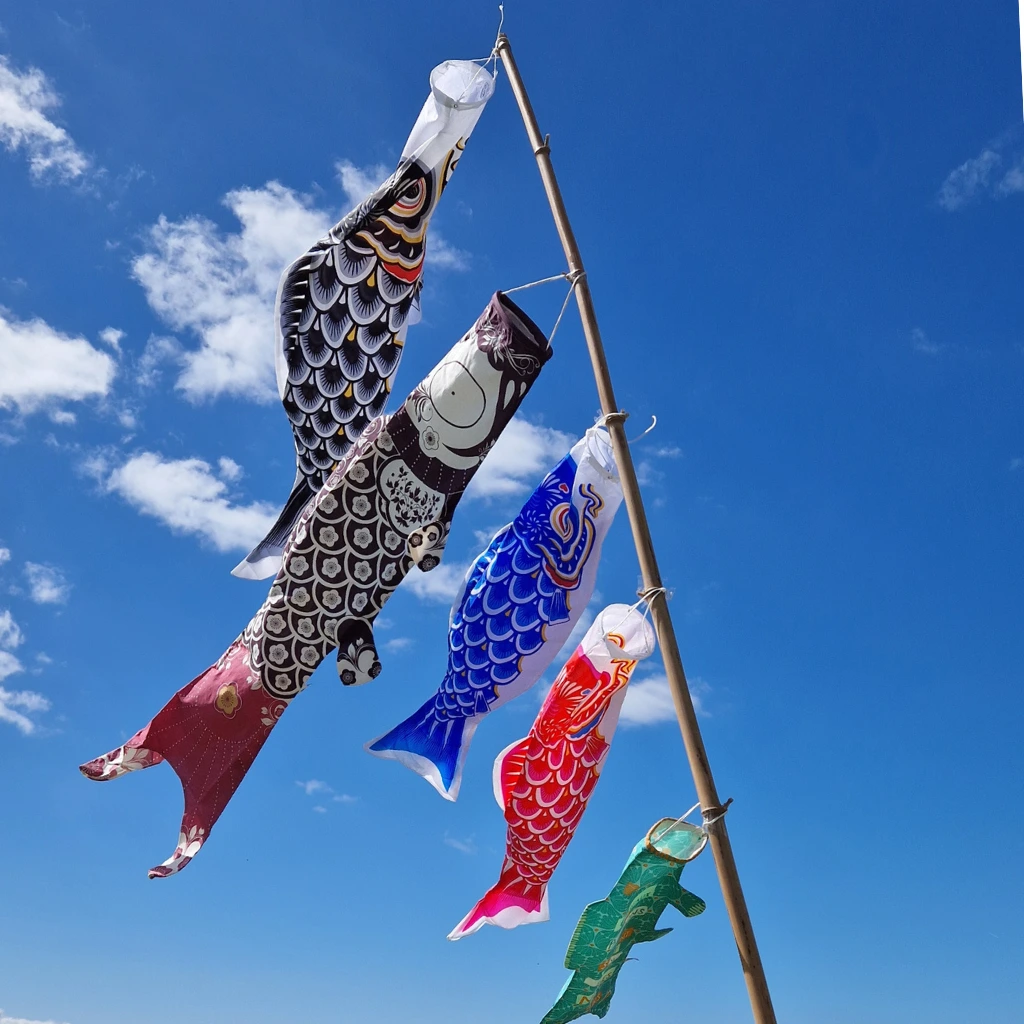
Although a national holiday, regional variations abound. In Tokyo, you will find splendid displays of koinobori (carp streamers), symbolizing strength and perseverance, everywhere from individual homes to expansive parks like Ueno and Sumida. In contrast, in Nagoya, the tradition revolves more around public performances involving children’s groups celebrating cultural traditions.
Interestingly, in some regions like Shizuoka Prefecture, weaving koinobori spans several fields, visible from far distances, turning the landscape into a vibrant tapestry, drawing both locals and tourists eager to witness this spectacular sight.
How to Experience Children’s Day in Japan?
Visiting Japan during Children’s Day allows you to partake in various customs and festivities. In urban centers like Tokyo and Osaka, you can explore grand parks adorned with vivid koinobori gliding through the spring air. Events usually start from April, leading up to the big day on May 5, with activities like traditional taiko (drum) performances and children’s parades adding to the festive spirit.
Be sure to visit cultural sites such as the Meiji Shrine in Tokyo or the Osaka Castle Park, where traditional ceremonies are often held, allowing you to observe how ancient practices blend with modern celebrations. Furthermore, cities like Kyoto offer a unique experience with temples showcasing Buddha’s Birthday celebrations that coincide with Children’s Day, offering a rare blend of festivities.
Natural search link: explore Children’s Day on nipponboutique.fr, in English
Why is Children’s Day Important in Japan?
Children’s Day reflects Japanese society’s emphasis on family and future generations. The holiday underscores the importance of nurturing children not just physically, but mentally and emotionally. It highlights Japan’s cultural dedication to ensuring a prosperous future through the well-being of its youth, which is crucial in a country that values continuity and harmony.
Historically, kodomo (child) as a cultural archetype plays a critical role in many Japanese narratives. This results in societal norms where family members actively guide children’s development, ensuring they grow into responsible and culturally aware citizens. By celebrating Kodomo no Hi, the Japanese community collectively hopes to instill values of courage, hard work, and perseverance in their youth.
Practical Tips for Experiencing Children’s Day in Japan
If planning to visit Japan during Children’s Day, aim for early May when the country is in full spring bloom, enhancing your experience. Book accommodations well in advance, especially in major cities where festivities peak. Staying at traditional inns can enrich the cultural experience, providing insight into customs surrounding the holiday.
Insider tip: When participating in local events, wear or bring a small gift, often appreciated as a token of goodwill. If possible, try to visit rural areas, where community-based Kodomo no Hi celebrations offer a different yet enriching experience compared to urban centers.
Children’s Day in Japan: FAQs
What are koinobori and why are they used during Children’s Day?
Koinobori are carp-shaped windsocks flown to symbolize strength and perseverance. The carp is a traditional symbol of strength in Japan, embodying the hope for children to grow strong and overcome obstacles, akin to a carp swimming upstream.
How do schools in Japan celebrate Children’s Day?
In Japan, schools observe Children’s Day with special events leading up to the holiday, including art projects where students create their own koinobori or engage in traditional games and storytelling sessions that highlight the cultural significance of the day.
Is Children’s Day a public holiday in Japan?
Yes, Children’s Day is a public holiday in Japan, part of the Golden Week, a cluster of holidays from late April to early May. It is a time for families to gather and partake in various traditions, celebrating the joy and potential of their children.