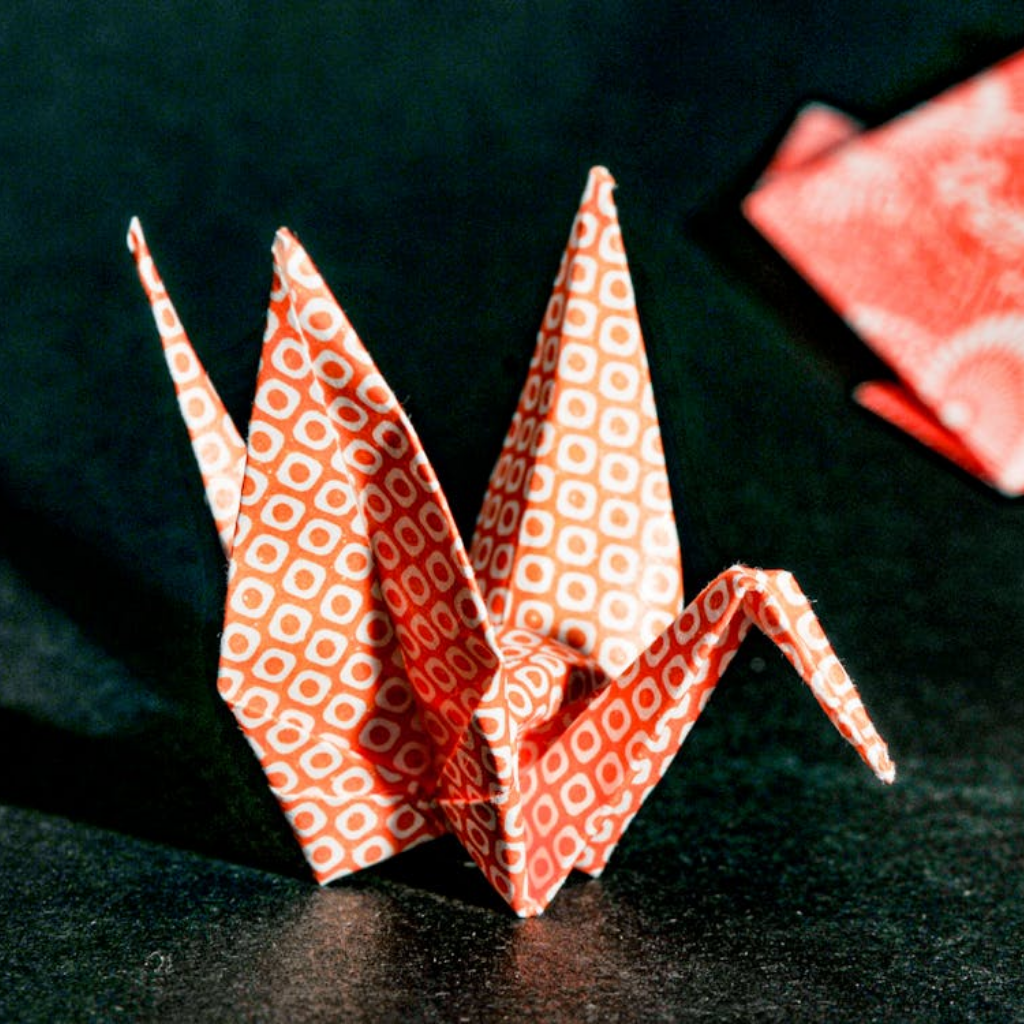
What is Japanese Origami?
Japanese Origami is the ancient art of paper folding that transforms a flat sheet of paper into a finished sculpture through intricate folds. Originating from Japan, Origami has evolved over centuries, becoming a beloved cultural practice. Initially, this art form was reserved for religious ceremonies, but it gradually became a popular craft for all. The earliest forms of Origami can be traced back to the Heian period (794-1185), where it was used in Shinto rituals. Traditionally, Origami paper is square and often colored on one side and white on the other.
A fascinating fact about Origami is that there is a difference between traditional Origami and modular Origami, where multiple sheets of paper are used to create a single structure. This practice has roots in the Edo period (1603–1868) and is more common in regions like Kyoto, known for its rich cultural heritage.
How can I experience and practice Japanese Origami?
To fully experience and practice Japanese Origami, start with beginner patterns such as the crane or the frog. These traditional designs introduce you to the basic folds and techniques. If you are visiting Japan, consider attending workshops in Tokyo or Kyoto, where you can learn from masters. The Nippon Origami Museum in Kanazawa offers a unique experience with historical exhibits and hands-on practice sessions.
For those who cannot travel to Japan, online platforms and tutorials are abundant. You can access detailed guides and materials through retailers like explore Japanese Origami on nipponboutique.fr, offering a range of papers and instructional books. Joining online communities can also enhance your learning process by providing feedback and inspiration.
Why is Japanese Origami culturally significant?
Japanese Origami holds significant cultural value as it embodies the Japanese principles of minimalistic beauty and precision. Each fold in Origami is deliberate and meditative, reflecting the patience and care central to Japanese crafts. The crane, a symbolic design in Origami, represents peace and longevity and is often used in ceremonies and as a wish for good fortune.
Origami is more than just an art; it reflects the broader concepts of Japanese aesthetics, such as wabi-sabi (acceptance of imperfection) and mono no aware (beauty in fleeting moments). As such, Origami is both a personal and shared cultural practice, bridging modern craft with ancient traditions.
What are practical tips and recommendations for practicing Japanese Origami?
When starting with Japanese Origami, choose quality Origami paper to enhance the experience. Opt for paper with vibrant colors that contrast well with the folds, allowing each crease to create visual interest. Avoid thick paper, as it can be difficult to fold precisely.
For the best seasons to explore Origami workshops in Japan, consider visiting during spring or autumn when the weather is mild, allowing you to enjoy additional cultural attractions. Seek out local festivals in regions like Kanagawa where Origami is often showcased as part of traditional celebrations. Additionally, approach Origami with an open mind and patience, as the art form is as much about the process as the finished product.
Frequently Asked Questions
What is the most famous Origami design?
The most famous Origami design is the Origami Crane, known as orizuru in Japanese. It symbolizes peace and is often associated with good luck and longevity.
Can Origami be made with any type of paper?
While Origami can technically be made with any paper, using traditional Origami paper—often colored and square—enhances the folding process and final appearance.
Is Origami popular outside of Japan?
Yes, Origami is popular worldwide as both an educational tool and a relaxing hobby. Many international communities and events celebrate Origami’s artistic and cultural significance.