What is a Japanese Sashiko Plate?
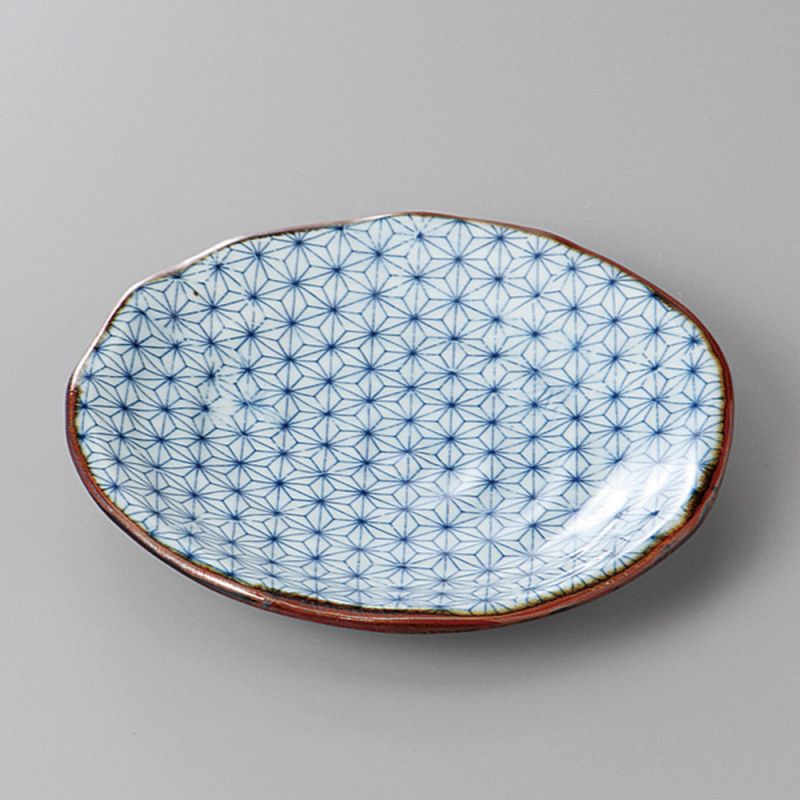
A Japanese Sashiko plate is a type of tableware characterized by its distinctive Sashiko patterns, which are traditional Japanese embroidery designs often featuring geometric and floral motifs. The plate exemplifies Japan’s meticulous attention to detail and craftsmanship, often crafted from high-quality ceramics and finished with a deep blue glaze. The term sashiko (little stabs) refers to the white running stitch used historically as a form of reinforcement and decoration in textile arts, which has been beautifully adapted into ceramic designs.
Originating from the Asanoha region, these plates are not just visually stunning but also carry cultural significance. The Sashiko pattern, often depicting shapes like hemp leaves, symbolizes growth and resilience. This makes the plates both a functional and a spiritually meaningful addition to any table setting.
How to Choose the Right Japanese Sashiko Plate?
When selecting a Japanese Sashiko plate, consider key criteria such as the size and material. Typically, a petite round plate like the one in question is ideal for serving appetizers or small portions, making it versatile for various dining occasions. The ceramic material ensures durability, while the finishing glaze can affect the appearance and texture. Look for plates with a deep blue glaze to ensure authenticity and traditional appeal.
Quality differences can be subtle but crucial; hand-painted patterns might indicate superior craftsmanship over machine-produced ones. For those looking to explore more options, check out the view the selection of Japanese plates available.
How to Use a Japanese Sashiko Plate Like in Japan?
In Japan, a Sashiko plate is commonly used during kaiseki (traditional multi-course meals) to present small and beautifully arranged dishes. It’s customary to appreciate the design and craftsmanship of the dishware itself, adding an aesthetic experience to dining. When using the plate, Japanese people often pair it with contrasting tableware to highlight its patterns and colors.
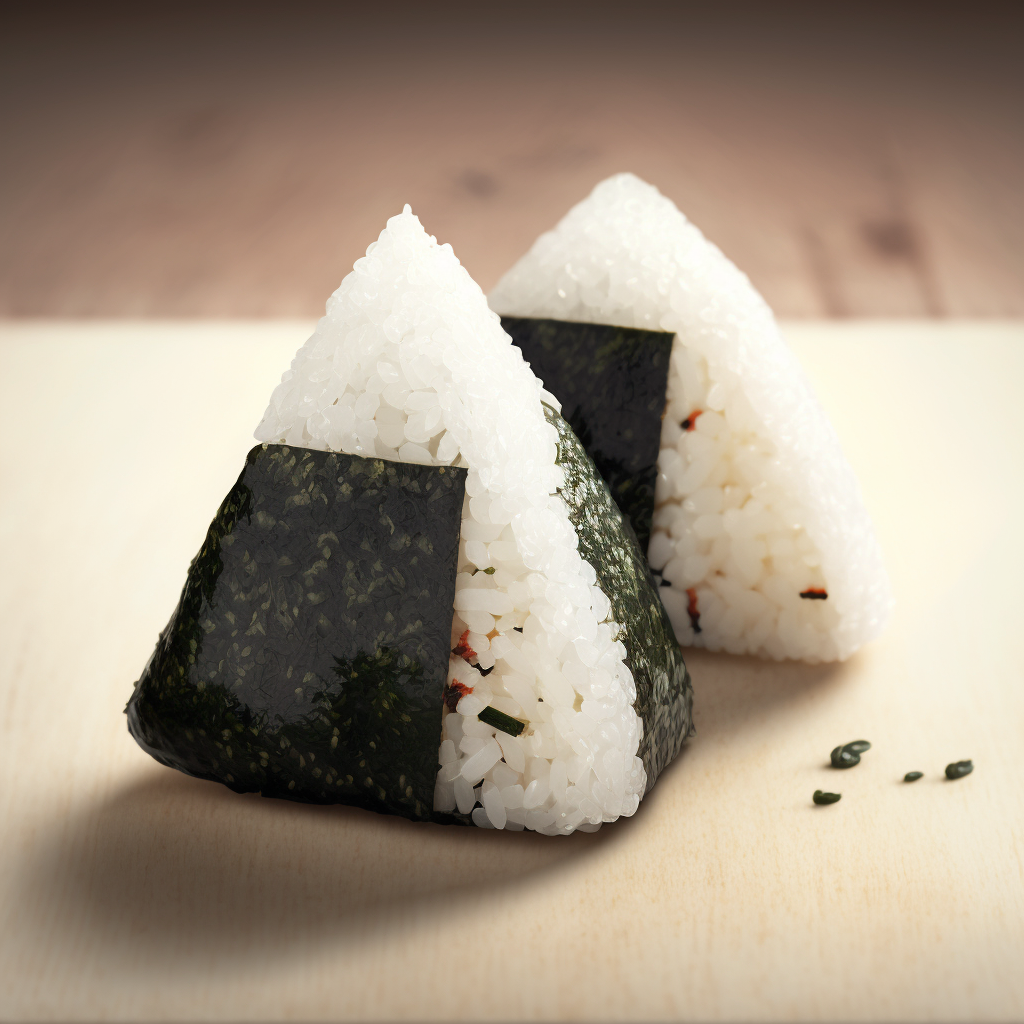
The Sashiko plate can enhance simple meals: imagine serving a delicate sushi roll or a piece of grilled fish, allowing the deep blue and intricate designs of the plate to elevate the overall presentation. Keep in mind Japanese etiquette, which involves handling the plate gently and with respect, reflecting the care taken in its creation.
Where to Find Authentic Japanese Sashiko Plates
For those interested in experiencing this traditional piece of Japanese craftsmanship, consider the Petite Round Japanese Plate, SASHIKO ASANOHA, Blue. It’s a prime example of quality ceramic work from the Asanoha tradition, making it a robust and aesthetically pleasing option for both daily use and special occasions.
Frequently Asked Questions
What makes Japanese Sashiko plates unique?
Japanese Sashiko plates stand out for their intricate Sashiko patterns and deep blue color. These plates are not only functional but also carry cultural and aesthetic significance, rooted in traditional Japanese crafts.
What are the common uses for a Sashiko plate?
Sashiko plates are versatile, often used in Japan during traditional multi-course meals to elegantly serve small dishes. They’re ideal for appetizers and visually complement any dining setting.
How can I ensure I’m buying an authentic Sashiko plate?
To ensure authenticity, look for plates that feature hand-painted designs, high-quality ceramics, and traditional patterns. Check for reputable sellers like nipponboutique.fr, known for their genuine Japanese products.