What is the Japanese Tea Ceremony?
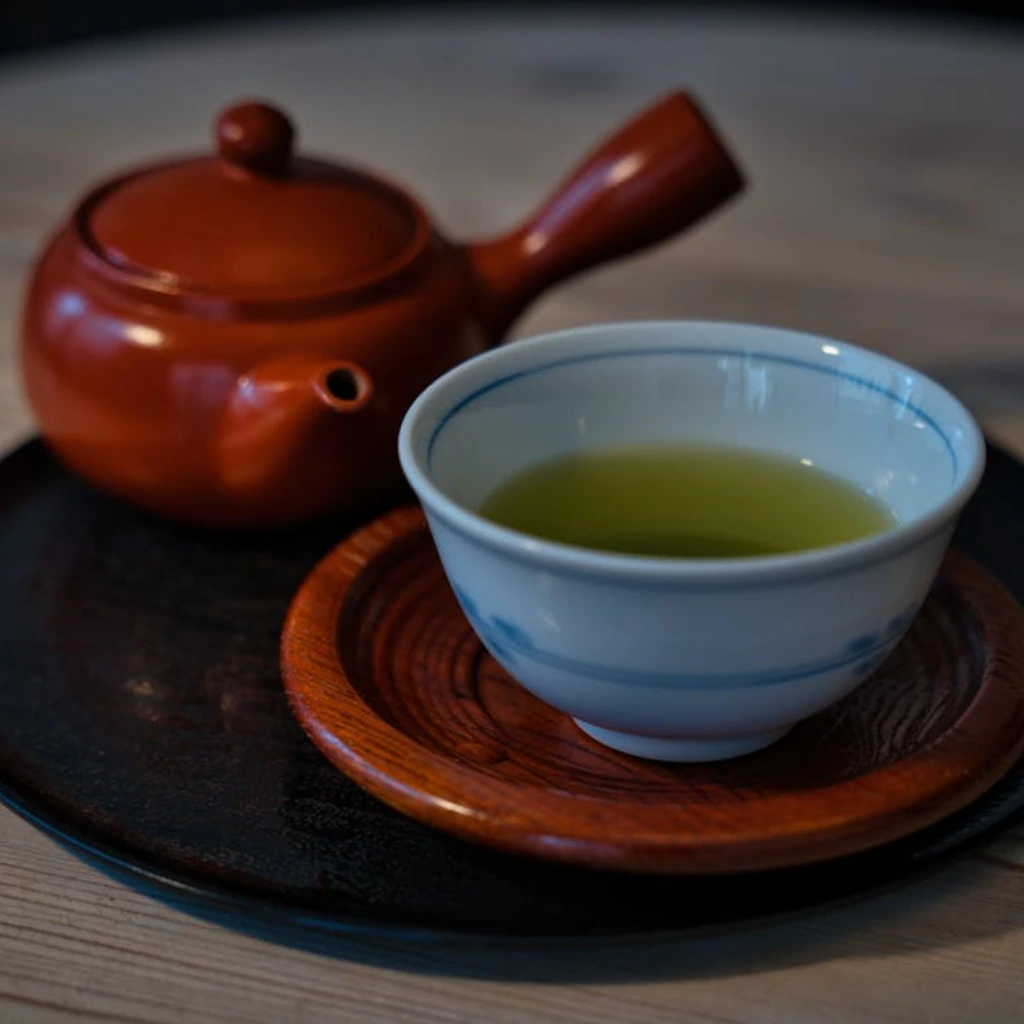
The Japanese Tea Ceremony, or chanoyu (hot water for tea), is a ceremonial way of preparing and drinking tea. Known for its deep-rooted traditions, the ceremony is influenced by Zen Buddhism and emphasizes harmony, respect, purity, and tranquility. Originating in the 9th century when tea was first brought to Japan from China, it achieved its current form in the 16th century, largely due to the influence of the tea master Sen no Rikyū.
A fascinating aspect of the ceremony is the emphasis on simplicity and attention to detail, from the selection of utensils to the types of sweets served alongside the tea. Each element is deliberately chosen to reflect the season and occasion. For example, tea ceremonies in Kyoto often feature regional sweets like yatsuhashi (thin rice paper sweets), reflecting both the time of year and the location’s culinary heritage.
How to Experience a Japanese Tea Ceremony?
Experiencing a Japanese Tea Ceremony first-hand offers a window into Japanese culture that few travelers encounter. Ceremonies are often held in traditional tea houses, known as chashitsu, which are designed to promote a serene atmosphere. These can be found in cultural centers across Japan, but Kyoto and Uji are particularly famous for their authentic experiences.
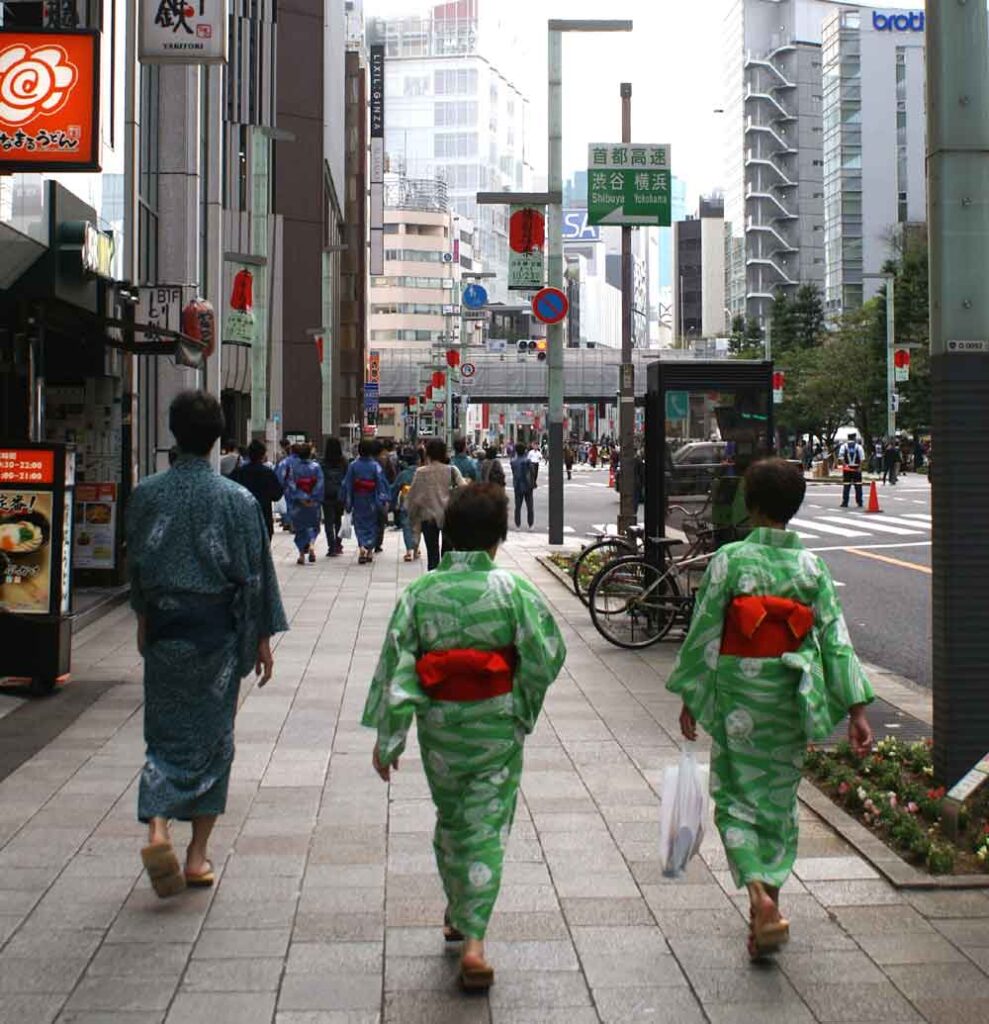
Visitors should expect to participate by sitting on tatami mats and observing the host’s precise movements as they prepare the tea. It’s customary to wear modest clothing, and participating with a respectful demeanor enhances the experience. A visit in spring during cherry blossom season provides an especially memorable backdrop.
Natural search link: explore Japanese Tea Ceremony on nipponboutique.fr, in English
Why is the Japanese Tea Ceremony Culturally Significant?
The Japanese Tea Ceremony is more than just about drinking tea; it’s a profound cultural practice that embodies the values of mindfulness and appreciation of imperfection, characteristics central to Japanese aesthetics. The philosophy of wabi-sabi (finding beauty in imperfections) is deeply integrated into the ceremony, emphasizing the transient nature of life.
Rituals involved in the ceremony, such as cleaning the utensils and the specific order of serving and drinking the tea, reflect the broader societal emphasis on discipline and respect. This tradition has become a symbol of Japanese identity, representing both the historical exchange with China and the unique development of Japanese culture.
What Are Practical Tips for Participating in a Japanese Tea Ceremony?
For those considering participating in a tea ceremony, plan your visit during a time when cultural events are prevalent, such as the cherry blossom season in April or the autumn leaves season in November. Arriving early allows you to appreciate the tea house surroundings and acquaint yourself with the atmosphere.
Consider booking a session in advance, as seats can fill quickly, especially in popular areas like Kyoto’s Gion district. Avoid wearing strong perfumes, which may detract from the purity of the experience and the tea’s subtle fragrance. Additionally, being open to learning and observing quietly can significantly enhance your appreciation of the art involved.
Frequently Asked Questions About the Japanese Tea Ceremony
What types of tea are used in the Japanese Tea Ceremony?
The primary tea used in the ceremony is matcha (powdered green tea). It is a high-quality tea known for its vibrant green color and umami flavor.
Can anyone participate in a Japanese Tea Ceremony?
Yes, many places across Japan offer tea ceremonies for tourists and international visitors. It’s an inclusive cultural experience designed to share Japanese traditions.
How long does a Japanese Tea Ceremony typically last?
The length can vary, but a typical ceremony lasts between 30 minutes to a few hours, depending on the type of ceremony being conducted and its level of formality.