
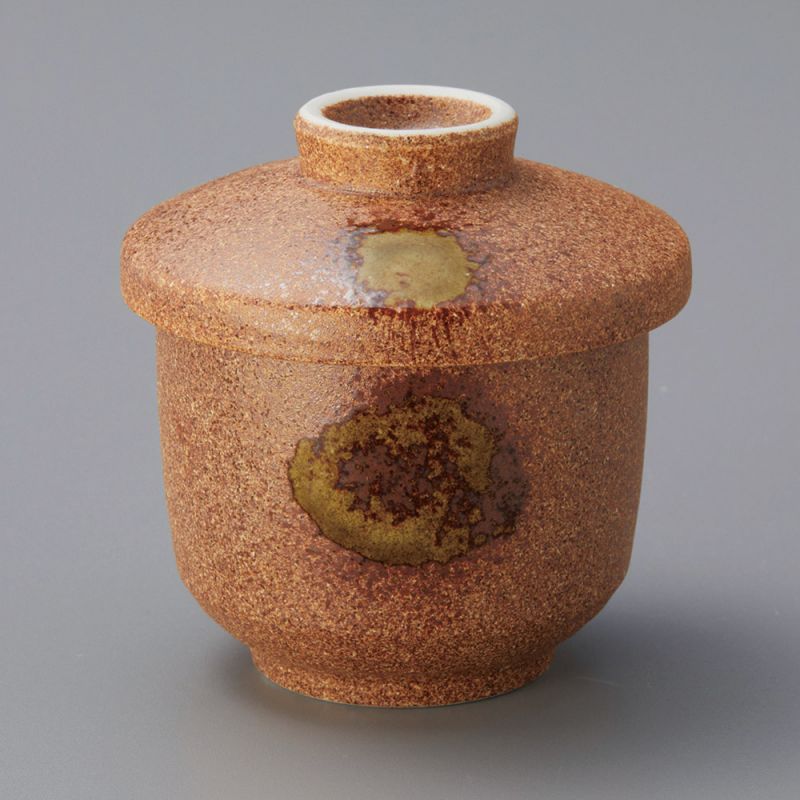
What is a Japanese Tea Bowl with Lid?
Discover the significance of a Japanese tea bowl with lid, its cultural relevance, and tips for choosing the perfect one for your collection.
What is a Japanese Tea Bowl with Lid? Read More »
Discover the significance of a Japanese tea bowl with lid, its cultural relevance, and tips for choosing the perfect one for your collection.
What is a Japanese Tea Bowl with Lid? Read More »
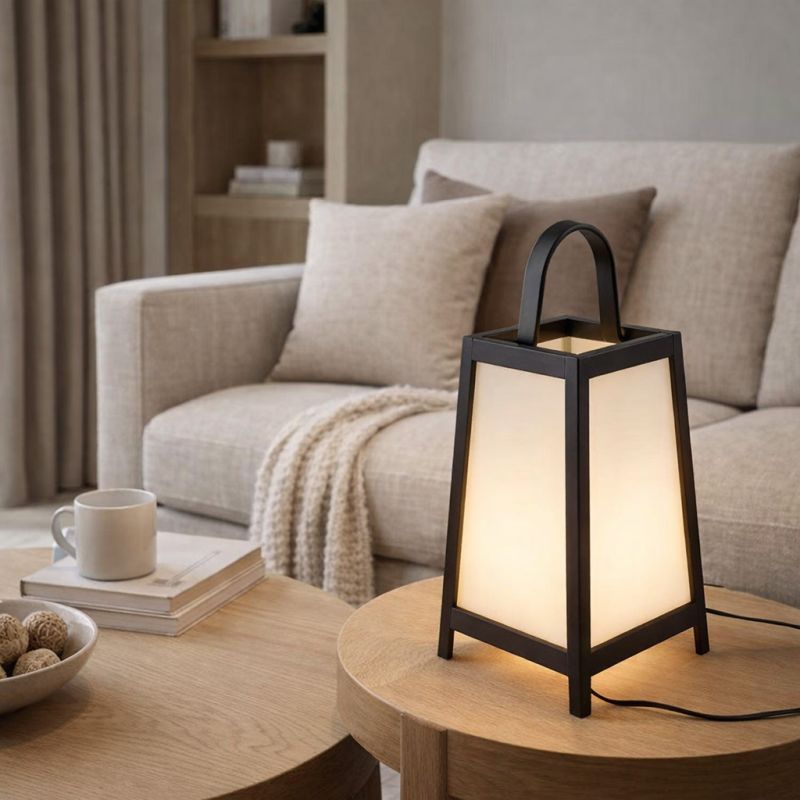
Discover the elegance and quality of the Japanese Table Lamp AKIDA. Learn why it stands out and how to choose the perfect one for your home.
Japanese Table Lamp AKIDA: Elegance and Quality Read More »
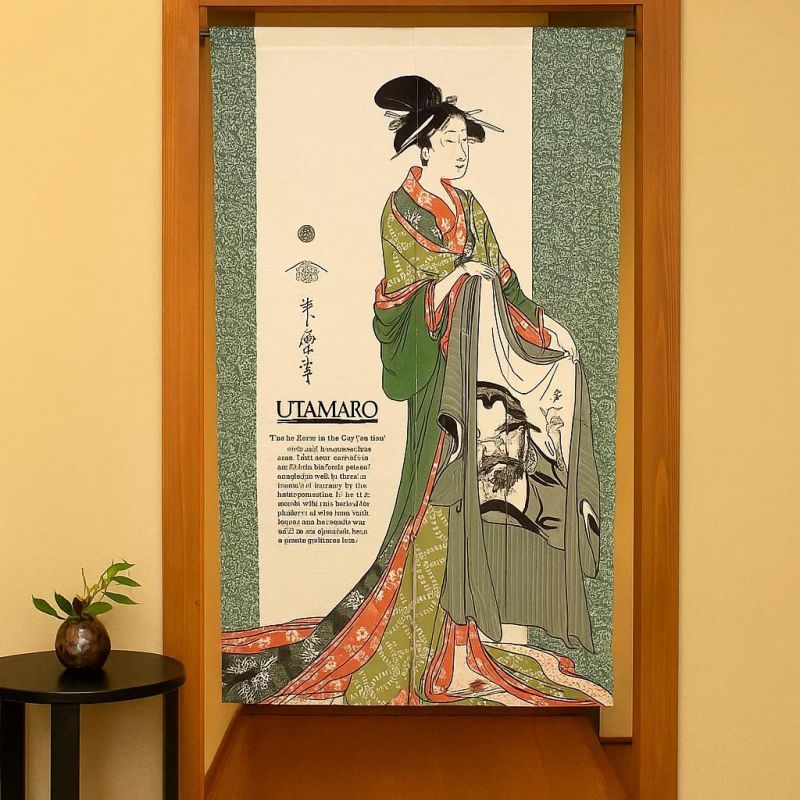
Explore the essence of the Japanese noren curtain, its cultural significance, how to choose the right one, and where to find authentic options.
Japanese Noren Curtain: Discover Its Elegance Read More »
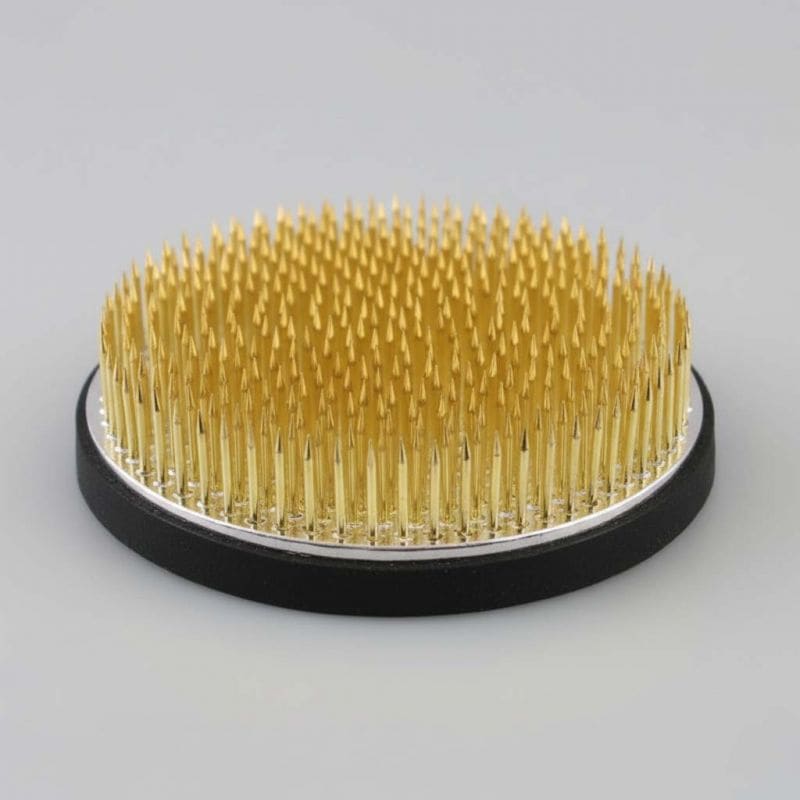
Discover the art of ikenana with the Japanese kenzan flower frog, the essential tool for stunning floral arrangements with an authentic touch.
Mastering Ikebana with the Perfect Japanese Kenzan Flower Frog Read More »
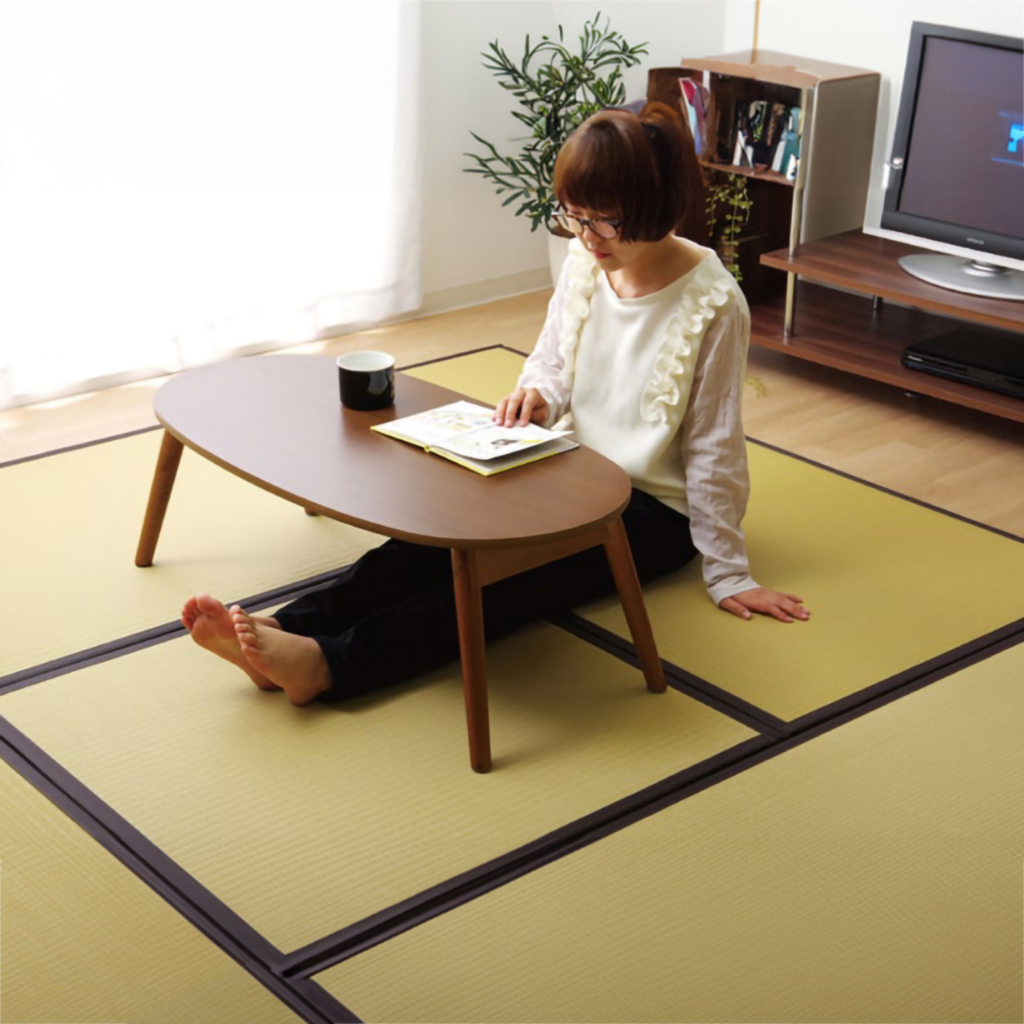
Tatami mats are traditional Japanese mats. They bring a unique comfort and a Zen aesthetic to any interior. Origin and History of Japanese Tatami Tatami mats have existed for centuries in Japan. They are used in homes, temples and places of meditation. These mats were once reserved for the aristocracy. Today, they are an essential
Japanese Tatami Mats: A Symbol of Tradition and Comfort Read More »
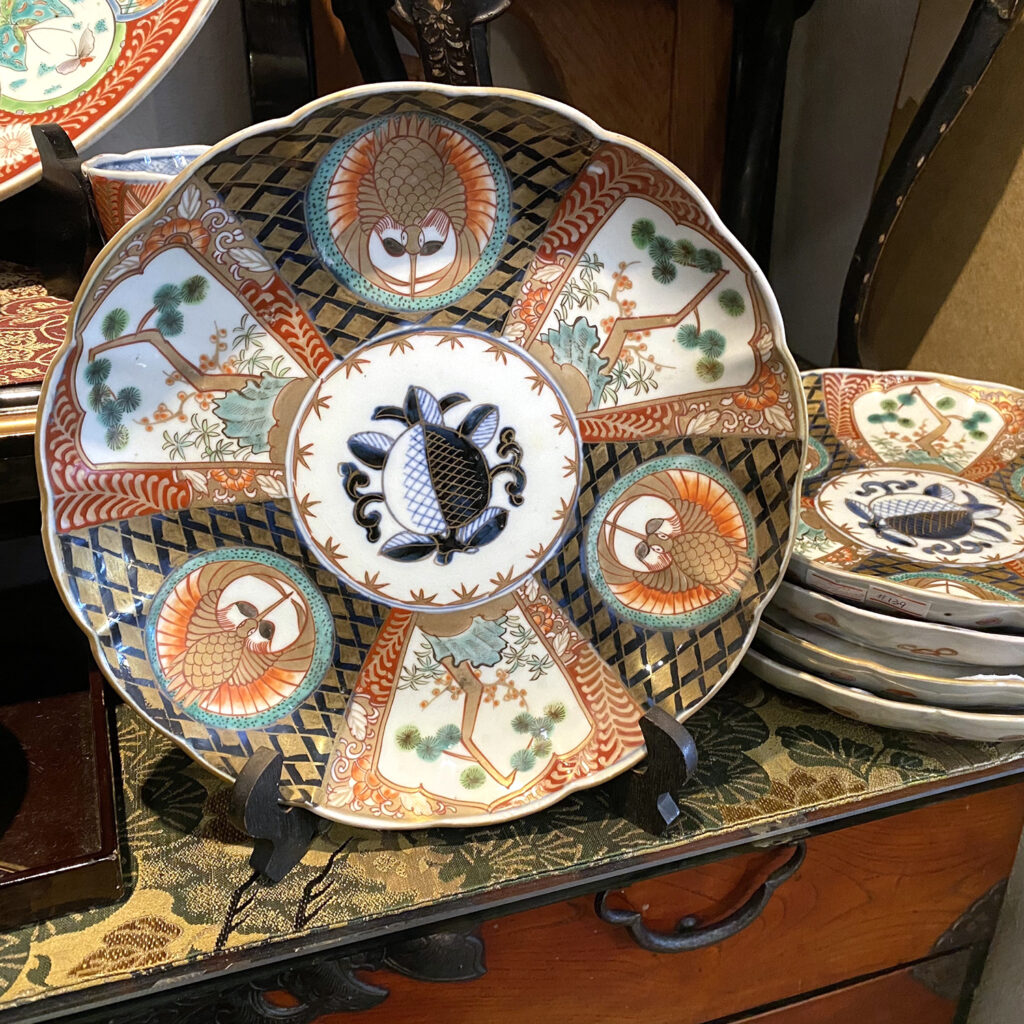
Origins and History Imari porcelain – Arita dates back to the 17th century in the city of Arita, located in Saga Prefecture, Japan. At that time, there was a strong demand for fine porcelain, prompting local potters to develop their own style and technique. Their creations quickly gained notoriety, captivating with their finesse and unique
Imari Porcelain – Arita Read More »
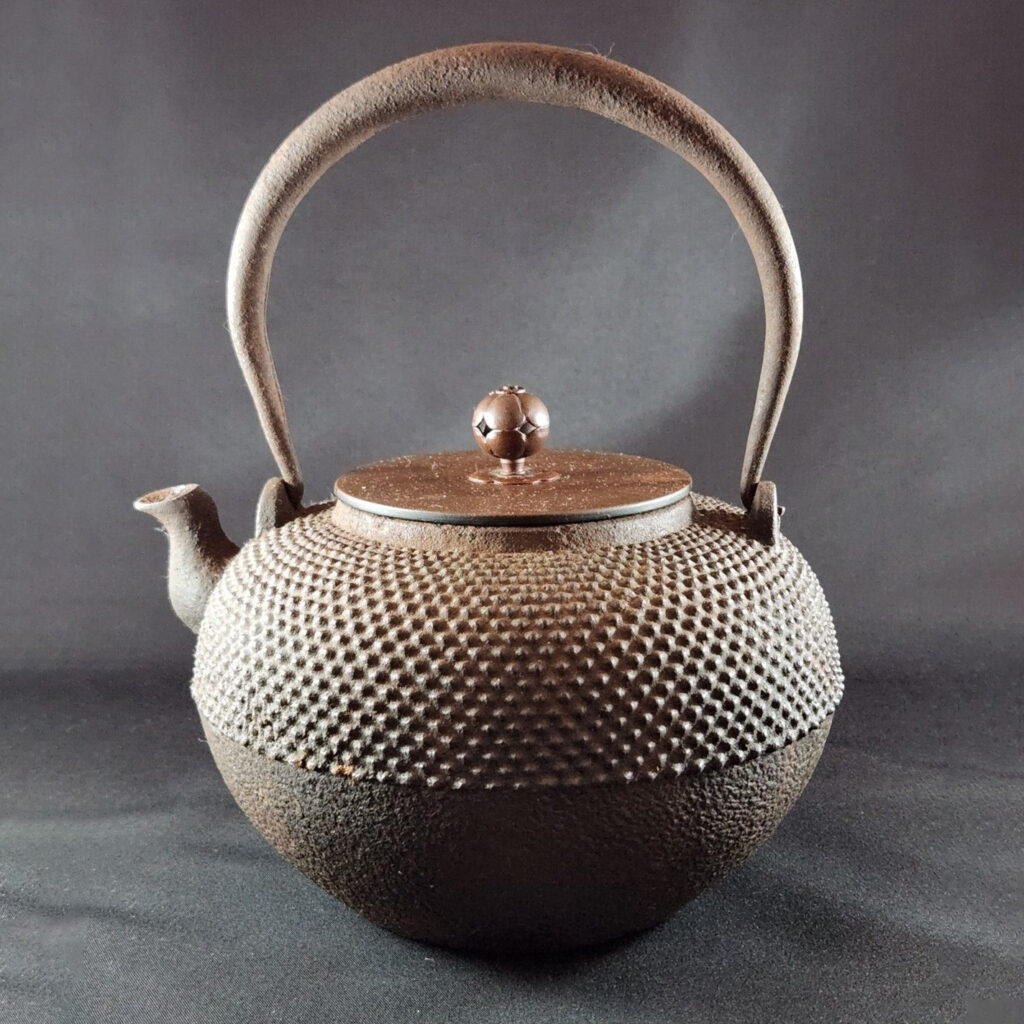
An Ancestral Expertise from Iwate Prefecture Nambu craftsmanship is an iconic tradition from the Morioka and Mizusawa regions, located in Iwate Prefecture in northern Japan. Inheriting a know-how passed down since the 17th century, it is particularly renowned for its Nambu cast iron, used in the creation of teapots, pans, and other everyday utensils. Nambu
Nambu Craftsmanship: A Continuing Tradition Read More »

Japanese floral art, or Ikebana, is much more than just a way to arrange flowers. It is a philosophy, a meditation, and an artistic expression that finds its essence in the harmony between nature and humans. At the heart of this ancient practice are Ikebana vases, unique pieces that embody the simplicity and sophistication of
Ikebana Vases: Japanese Elegance to Enhance Your Flowers Read More »

Origins and Meaning of Maneki Neko Maneki Neko cats, or “inviting cats”, appeared in Japan in the 17th century. Legend has it that a cat saved a lord from danger by raising a paw, attracting his attention. Since then, these felines have symbolized luck, prosperity and protection in Japanese homes and businesses. The Colors of
Maneki Neko Cats: Japanese Good Luck Charms Read More »

The Sōgetsu School is one of the most renowned schools of Ikebana, the Japanese art of flower arrangement. Founded in 1927 by Sofu Teshigahara, this school revolutionized Ikebana by integrating modern techniques and contemporary artistic concepts. A Unique Philosophy The Sōgetsu School values personal creativity in Ikebana. It encourages practitioners to create flower arrangements in
Sōgetsu School: The Art of Japanese Ikebana Read More »