What is a Japanese Copper Shabu Pan?
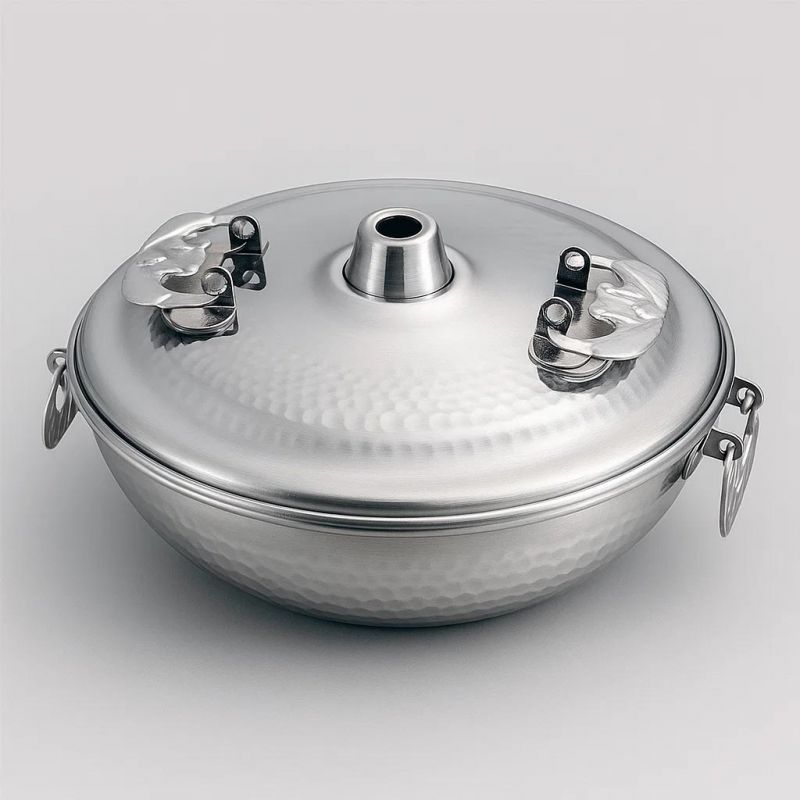
The Japanese copper shabu pan is a specially designed pot used in the preparation of shabu-shabu, a dish similar to fondue, where thin slices of meat are quickly cooked in a flavorful broth. Known for its heat conductivity, the copper construction allows for uniform cooking and enhances the taste of the ingredients. Originally from Japan, this culinary tool is cherished in Japanese cooking for its ability to maintain consistent heat, essential for the quick-cooking shabu-shabu technique.
While many pans are made of stainless steel, the copper variant is esteemed for conducting heat more evenly across the entire surface, which ensures that all ingredients are properly cooked. This level of efficiency is particularly vital during a traditional Japanese meal gathering called nabemono (one-pot dish), where quick and even cooking is paramount for shared dining experiences. In fact, many Japanese households prioritize the pan’s aesthetics and quality, often passing it down through generations as a valued heirloom.
How to Choose the Right Japanese Copper Shabu Pan?
When selecting a Japanese copper shabu pan, the size is a critical consideration. A 26 cm diameter is versatile enough for most meal sizes and fits comfortably in standard kitchens. Additionally, the thickness of the copper impacts its heat retention and durability; thicker pans are generally preferable. You should also check for sturdy handles that remain cool for safe handling. Japanese craftsmanship is integral in this decision, as authentic Japanese pans are crafted with precision and quality assurance in mind.
Moreover, when choosing a pan, consider if it has a flat or slightly convex base for even heat distribution – a design feature of traditional Japanese pans. To explore a broad selection, you can see the selection of Japanese kitchenware.
How to Use a Japanese Copper Shabu Pan Like Locals?
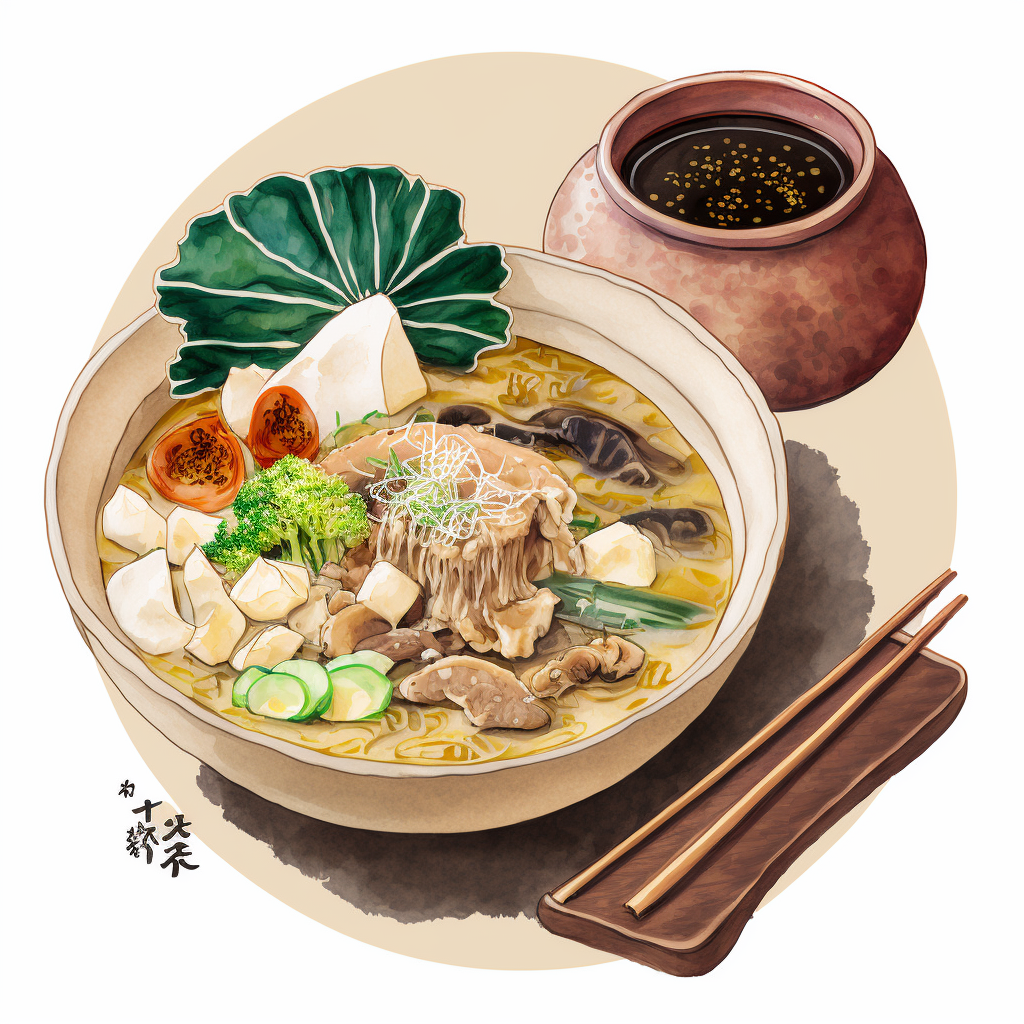
Using a Japanese copper shabu pan begins with preparing a rich broth as a base, often made with dashi (fish stock), which provides the quintessential Japanese flavor profile. The pan’s design enables quick heating, allowing diners to cook their ingredients right at the table. Etiquette dictates using chopsticks to dip vegetables and meat slices into the simmering broth, cooking them quickly while engaging in communal dining, a beloved tradition during colder months.
Traditionally, shabu-shabu is enjoyed with multiple dipping sauces, such as ponzu (citrus soy sauce) or gomadare (sesame sauce). Unlike other cooking methods, the thinness of the slices and the depth of the flavors are key visual aspects that showcase the culinary finesse typical of Japanese cuisine, highlighting why these pans are a staple in many Japanese households.
Where to Find a Authentic Japanese Copper Shabu Pan
For an excellent example of quality and functionality, consider the Japanese Copper Shabu Pan. This model is crafted with precision, offering the efficiency and authenticity needed for making genuine Japanese shabu-shabu. Made from high-grade copper and featuring traditional Japanese design elements, it’s a reliable choice for those seeking to recreate an authentic culinary experience.
Frequently Asked Questions
What makes a copper shabu pan different from a regular pan?
The primary difference lies in its material; copper offers superior heat conduction and retention, ensuring even cooking across the pan, which is crucial for dishes like shabu-shabu.
Is a Japanese copper shabu pan suitable for all heat sources?
Most copper shabu pans, especially those with an integrated stainless steel base, are versatile and work well on a variety of heat sources, including induction stoves.
How should I maintain a copper shabu pan?
To maintain its quality, clean the pan with gentle soap and a soft sponge. Avoid using abrasive cleaners. Occasionally polishing with a copper-specific cleaner will help retain its shine and durability.