What is an Izakaya in Japan?
Izakayas are a quintessential component of Japanese culinary culture, serving as casual taverns where patrons can enjoy drinks and a variety of small, shareable plates. The concept first emerged during Japan’s Edo period (1603-1868), when sakeya (sake shops) began allowing customers to sit down for a drink. Over time, these establishments evolved into the modern izakaya, a social hub for after-work gatherings, informal meetings, and socializing.
While Tokyo is often the first city that comes to mind when thinking of izakayas, each region of Japan offers its own subtle variations. For instance, the izakayas in Osaka, often called kappo, may feature more interactive dining experiences where chefs might engage directly with patrons.
How do you experience an Izakaya in Japan?
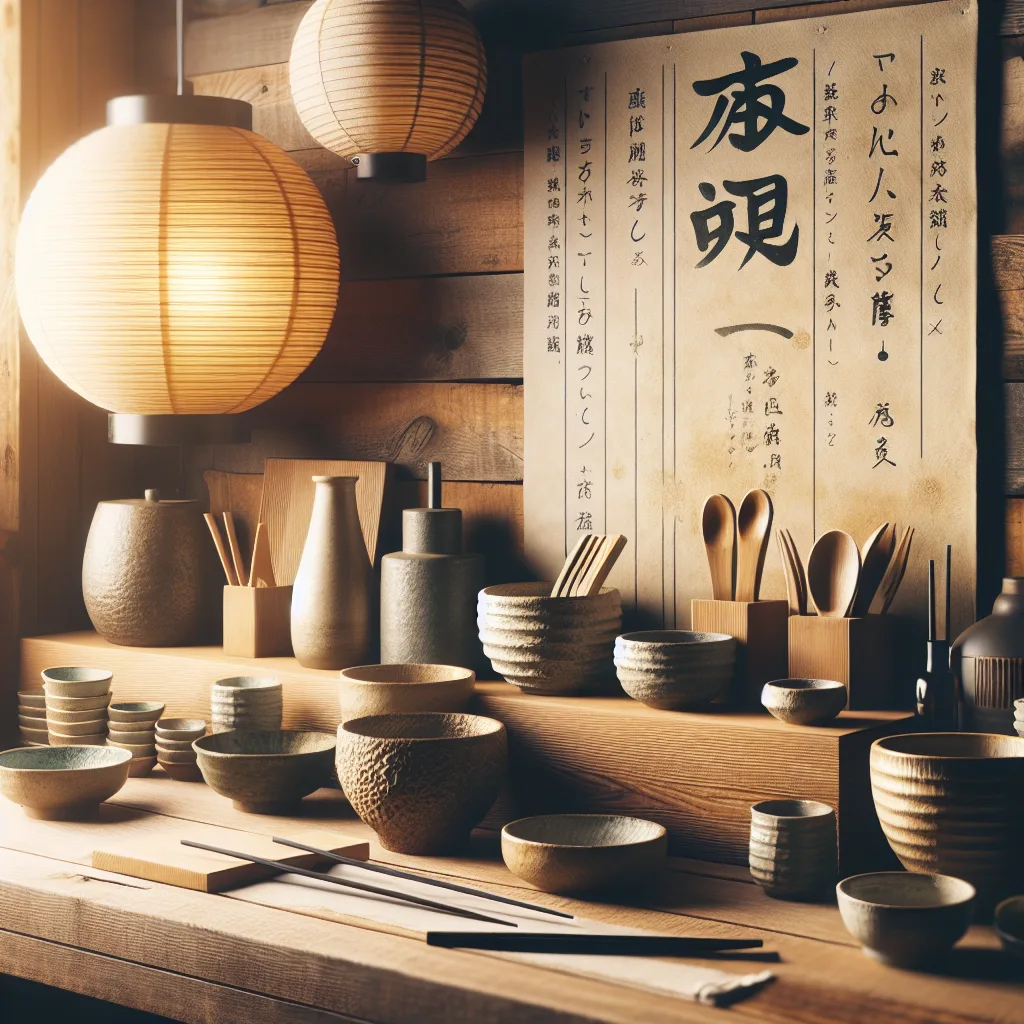
To truly experience an izakaya, one must embrace the informal and lively ambiance they are known for. These establishments are often characterized by a welcoming atmosphere and an eclectic mix of patrons. Typically, you’ll find yourself greeted with a hearty “Irasshaimase!” (welcome) upon entering. Seating may range from tatami rooms to bar counters and small tables.
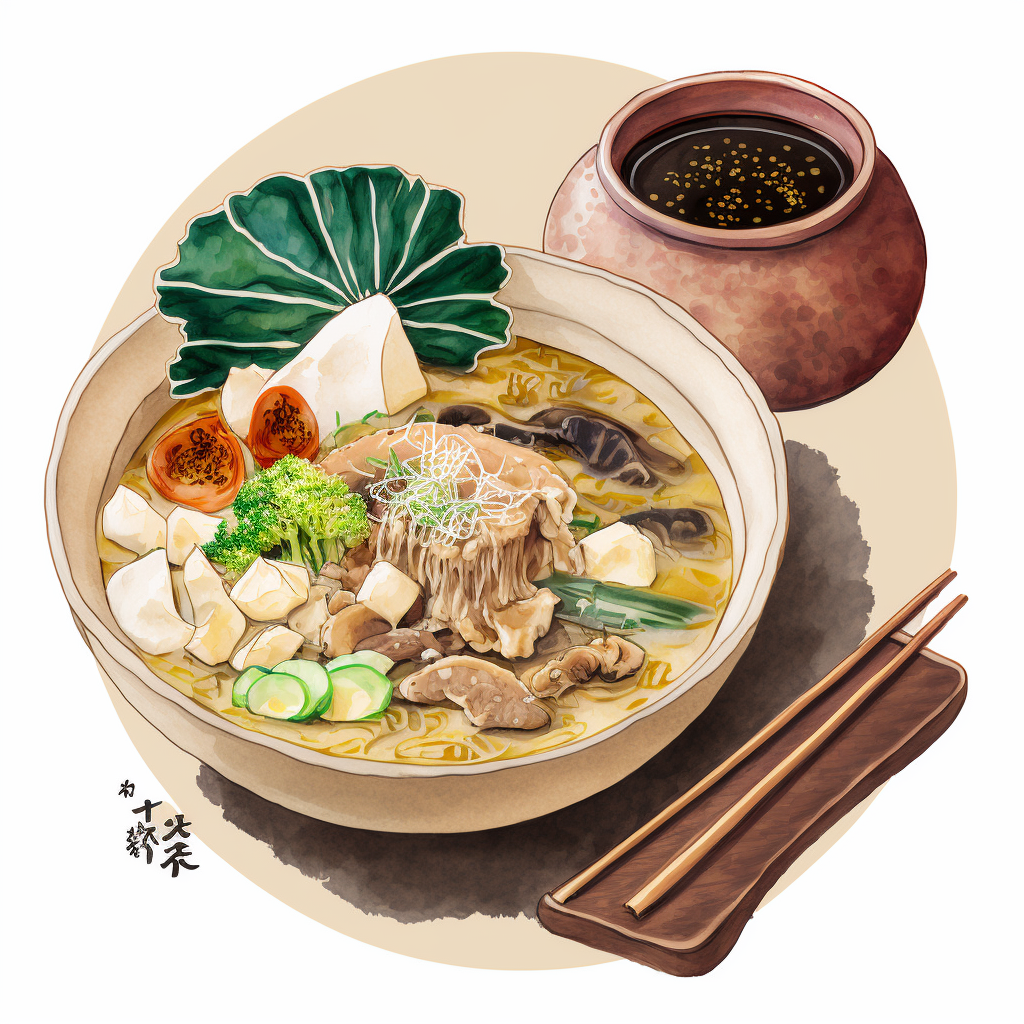
Ordering is a dynamic part of the izakaya experience. Menus, often in Japanese, include various yakitori (grilled chicken skewers), sashimi (sliced raw fish), and tempura (battered and fried items). It’s customary to start with drinks, such as nama biiru (draft beer) or sake, and then move on to order multiple small plates to share. If you’re keen to dive deeper, explore izakayas on nipponboutique.fr.
Why are Izakayas important in Japanese culture?
Izakayas play a critical role in Japanese social life by offering a relaxed atmosphere away from the formalities of day-to-day work life. They serve as a venerable tradition where coworkers, friends, and even strangers can communicate more openly over good food and drinks. This atmosphere of camaraderie is an integral part of the Japanese concept of nomikai (drinking party), reflecting a broader cultural value that emphasizes harmony and group dynamics.
The enduring appeal of izakayas lies in their role as a democratic space where everyone from office workers to students can come together, breaking the usual social hierarchies found in other parts of society.
What are the best Izakayas to visit in Japan?
In terms of specific locations, Shinjuku’s Omoide Yokocho in Tokyo is an iconic alleyway lined with traditional izakayas. Similarly, in Osaka, exploring the Dotonbori district will yield numerous vibrant options. For a unique regional experience, head to Gion in Kyoto, where old-world charm accompanies the izakaya experience.
When visiting an izakaya, it’s best to go in the evening when the atmosphere is more vibrant. Be prepared for a bit of noise and perhaps a smoky ambiance, common elements of traditional izakayas. If you’re unsure, look out for Noren (split curtains) at the entrance, a sign that the establishment is an izakaya.
FAQ about Japanese Izakayas
What is typically served at an Izakaya?
An izakaya typically offers a range of small plates like yakitori, sashimi, and tempura, along with varied drinks from beer to sake.
Are Izakayas expensive?
Izakayas vary in price, but they are generally an affordable way to enjoy Japanese cuisine. Many offer budget-friendly options, making them accessible to all.
Can I visit an Izakaya if I don’t speak Japanese?
Absolutely! Many izakayas have English menus or staff who can assist. The informal, friendly atmosphere means language barriers are often easily overcome.