MQ

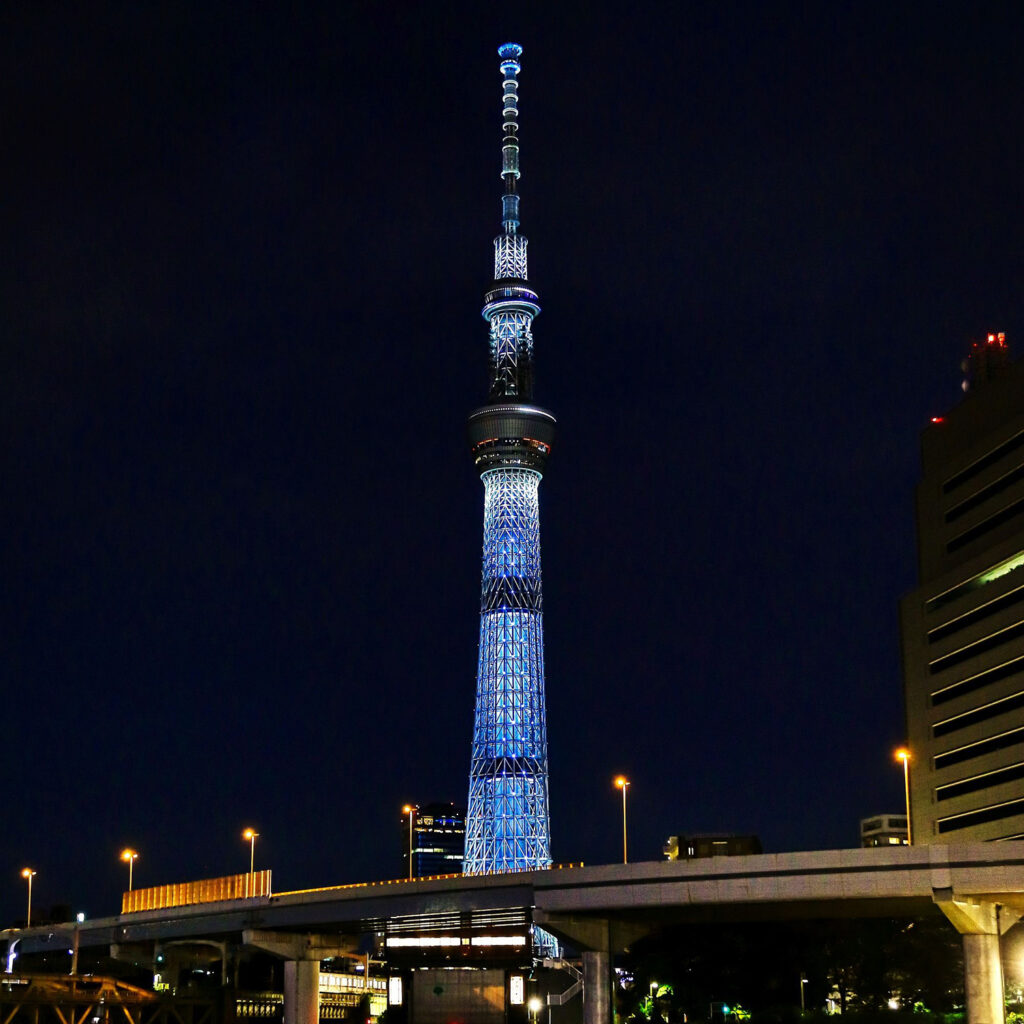
Tokyo skytree

Tokyo Skytree: the world’s tallest free-standing tower

The Tokyo Skytree is one of the world’s tallest free-standing towers, and an iconic symbol of the city of Tokyo. At a height of 634 metres, it towers over the city’s urban landscape, offering breathtaking views of the surrounding area. Construction of the Tokyo Skytree began in 2008, and it was inaugurated in 2012. It […]

Tokyo Skytree: the world’s tallest free-standing tower Read More »

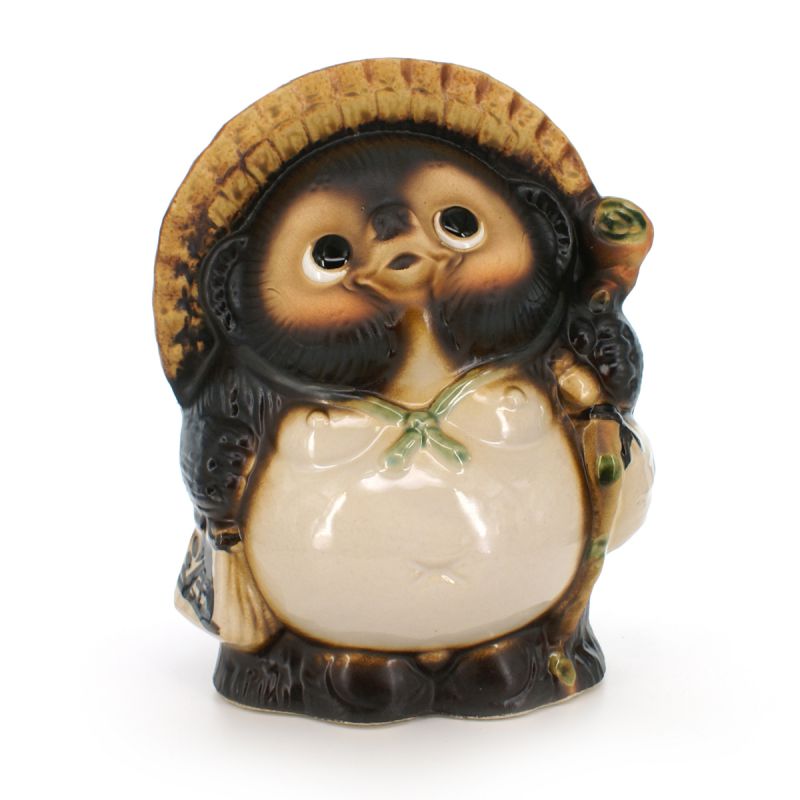
Japanese Shigaraki ceramic tanuki

Shigaraki ceramics: the rustic beauty of Japanese art.

Shigaraki ceramics are a traditional Japanese art form dating back centuries. It originated in the town of Shigaraki in Shiga prefecture, in the western part of Japan. Shigaraki potters use the region’s abundant natural clay to create ceramic objects with a unique character and rustic beauty. The history of Shigaraki ceramics dates back to the

Shigaraki ceramics: the rustic beauty of Japanese art. Read More »

japanese yokai

Discover the mysterious world of Japanese Yokai

Yokai are legendary creatures of Japanese folklore, often described as spirits or monsters that haunt abandoned places or remote locations. These supernatural beings have captured the imagination of the Japanese for centuries, and continue to fascinate people around the world today. In this article, we explore the mysterious and fascinating world of Japanese yokai. Origins

Discover the mysterious world of Japanese Yokai Read More »

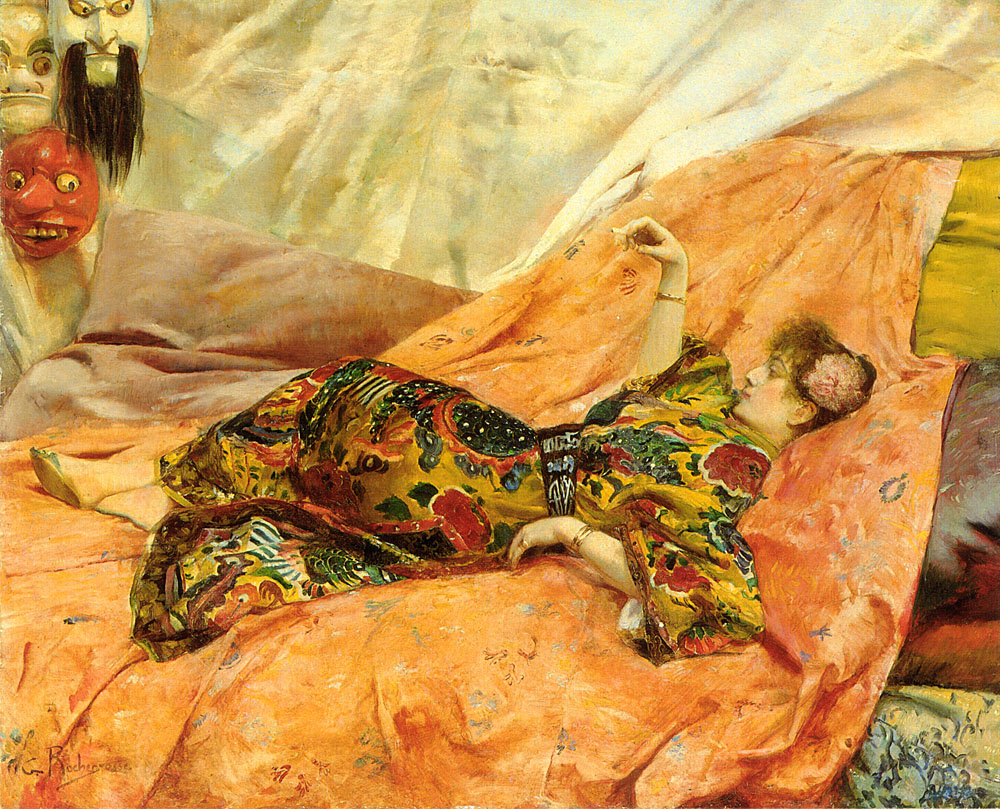
Portrait of Sarah Bernhardt, Georges Rochegrosse

Japonism: Europe’s fascination with Japan

Japonism is an artistic and cultural movement that emerged in Europe at the end of the 19th century, following Japan’s opening to international trade in 1854 and the establishment of peace and friendship treaties with Western countries. This movement influenced many European artists and writers, who were fascinated by Japanese culture and aesthetics. History and

Japonism: Europe’s fascination with Japan Read More »

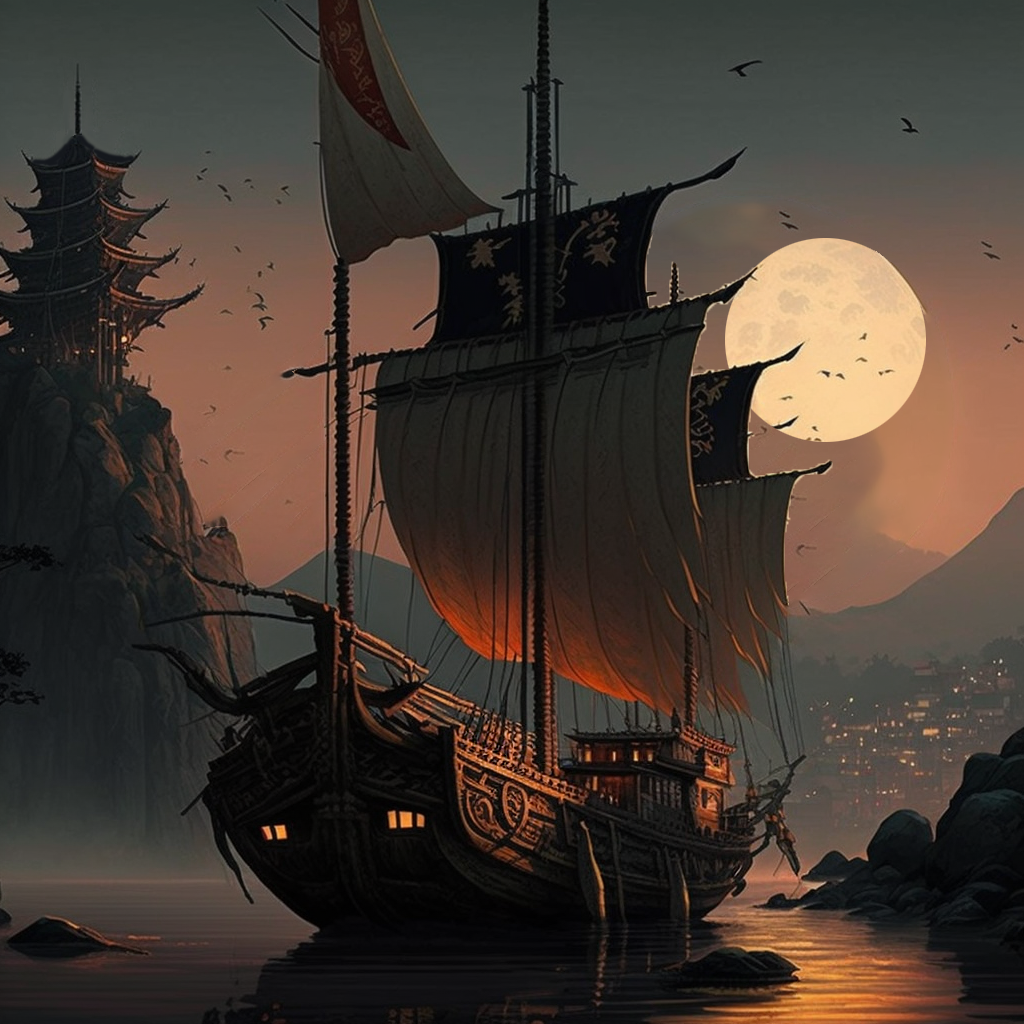
Chinese junk in the Sakoku period

The Sakoku period: When Japan was isolated from the world.

The Sakoku period is one of the most fascinating periods in Japanese history. This period, which lasted from 1633 to 1853, is characterized by a policy of isolating Japan from the rest of the world, a policy that was put in place to protect Japanese culture and tradition from foreign influences. Historical background and establishment

The Sakoku period: When Japan was isolated from the world. Read More »

Scroll to Top