
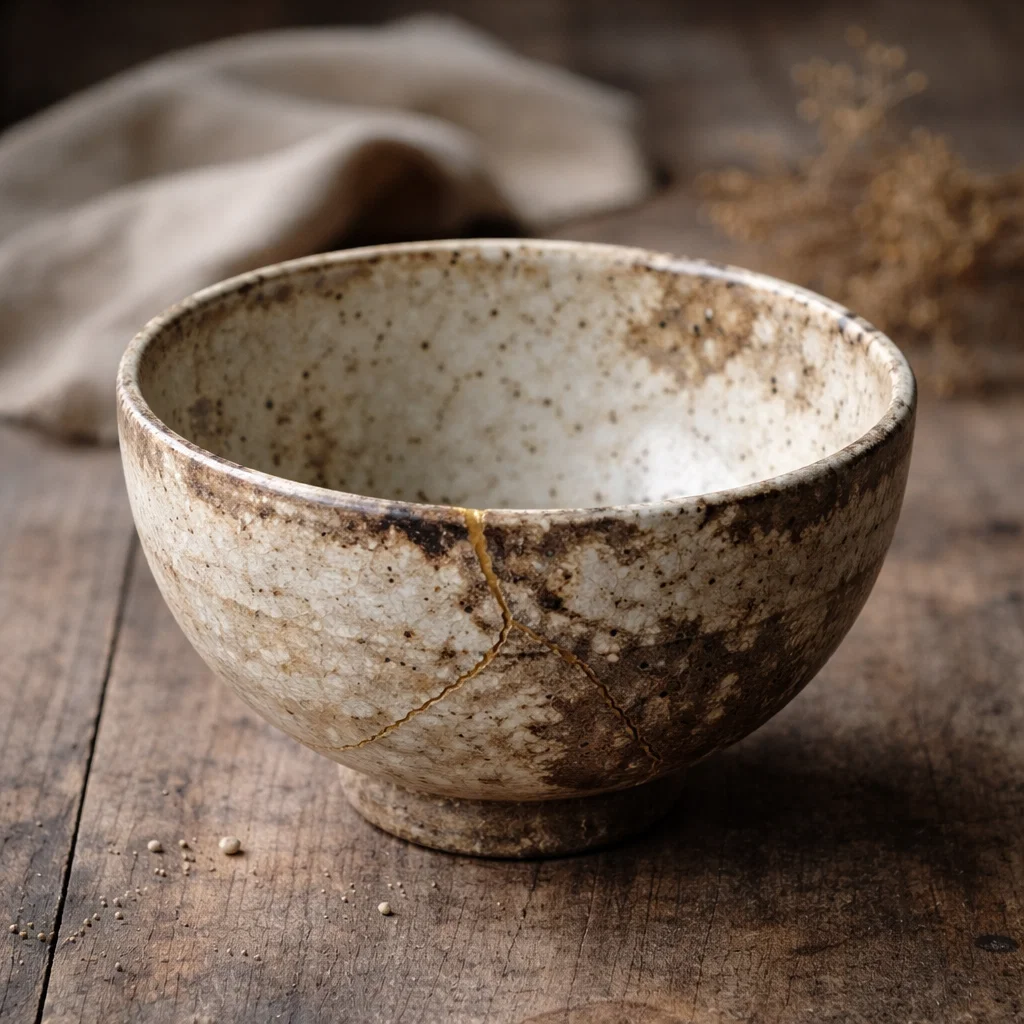
Discover the Essence of Wabi-sabi
Learn what wabi-sabi truly is, how to experience it, and its deeper significance in Japanese culture.
Discover the Essence of Wabi-sabi Read More »
Learn what wabi-sabi truly is, how to experience it, and its deeper significance in Japanese culture.
Discover the Essence of Wabi-sabi Read More »
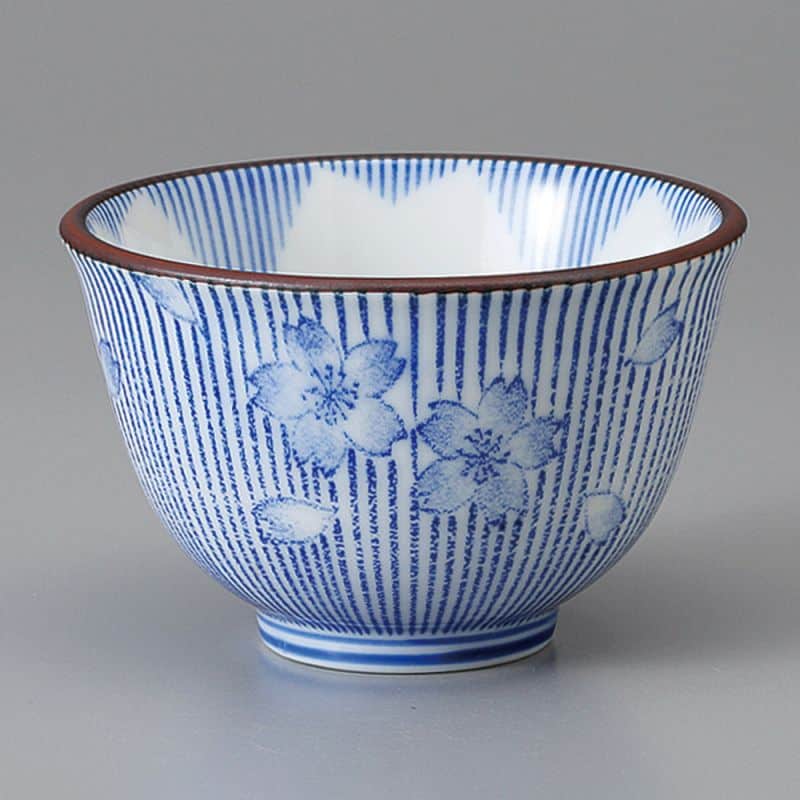
Discover the unique charm of the Japanese Sakura Ceramic Cup. Learn what makes it special and find tips on choosing the perfect one.
What is a Japanese Sakura Ceramic Cup? Read More »

Japanese tea boxes embody the art of preserving the flavors of tea while paying tribute to Japanese culture. Their design combines refined aesthetics, craftsmanship, and functionality. A History Linked to the Tea Ceremony Tea caddies, or chazutsu, have a long history rooted in the Japanese tea ceremony. Since the Edo period, they have played an
Japanese Tea Boxes: Between Tradition, Utility, and Refinement Read More »
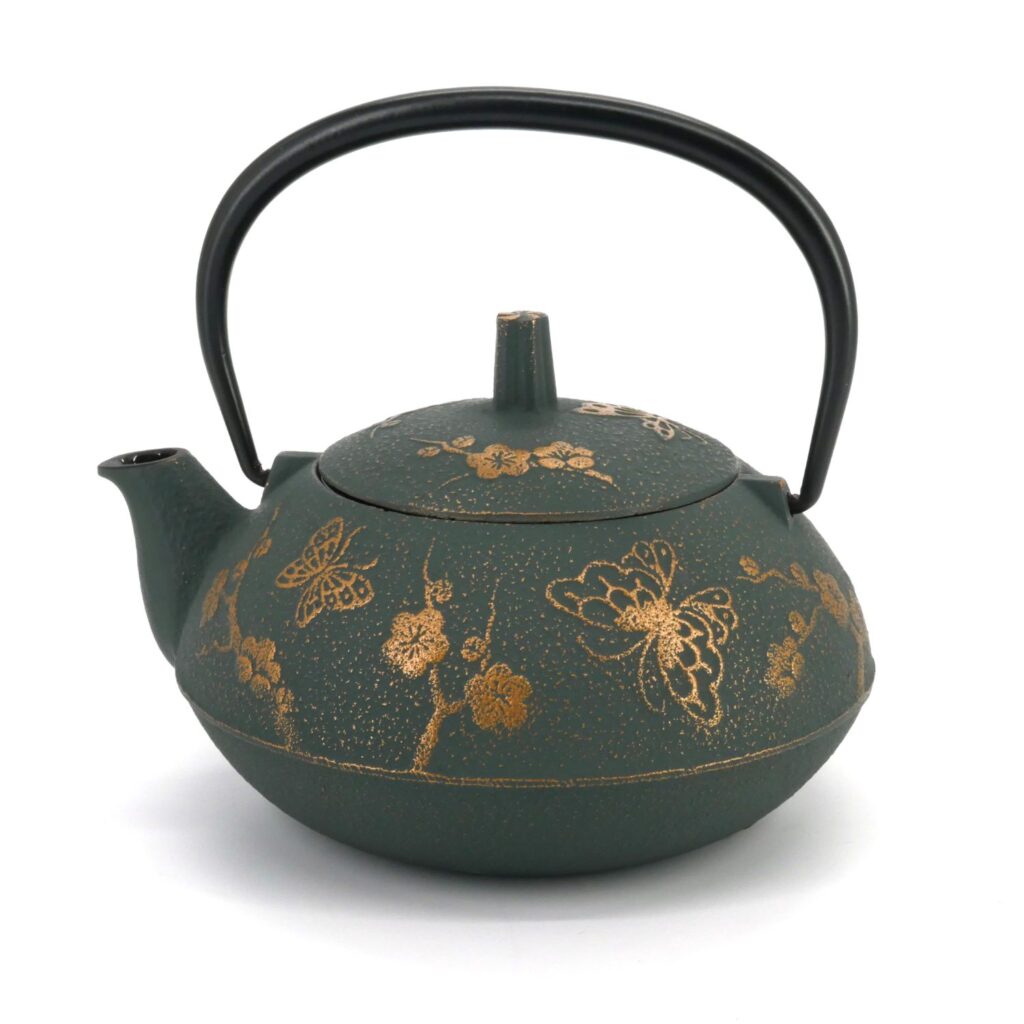
Japanese cast iron teapots are a staple of the culture of Japan. These handcrafted pieces combine beauty and functionality. They have been used for centuries to prepare tea in the traditional way. Their origins date back to medieval Japan, where the Japanese greatly appreciated them. High-Quality Handcrafted Specialized craftsmen handcraft cast iron teapots. Each piece
Japanese Cast Iron Teapots: A Marriage of Art and Tradition Read More »
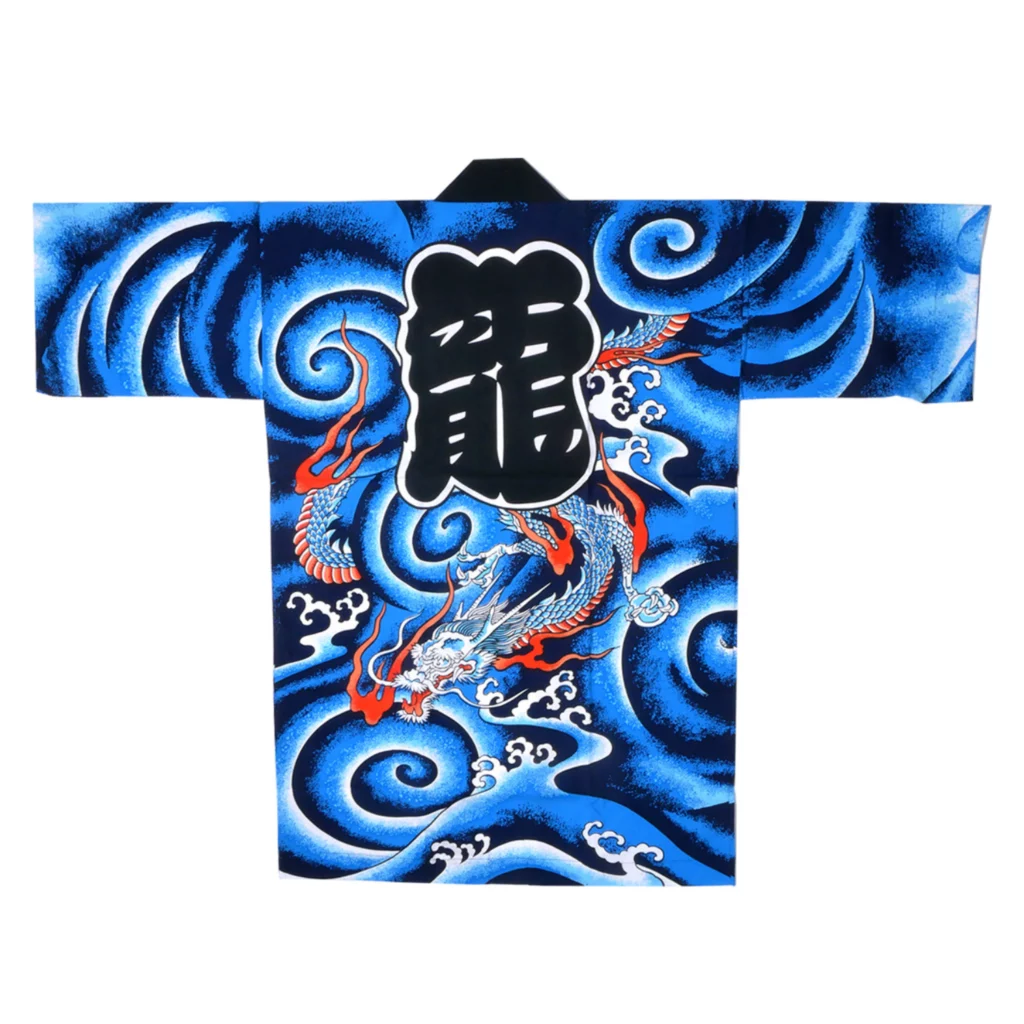
The haori, a traditional Japanese jacket, is prized for its elegance and deep symbolism. At Nippon Boutique, we offer authentic haoris, made of shantung cotton, and with various patterns. These haoris are perfect for special occasions, festivals or as a unique piece in your daily wardrobe. Each model embodies the finesse of Japanese culture and
Haori: Japanese Elegance and Tradition to Discover Read More »
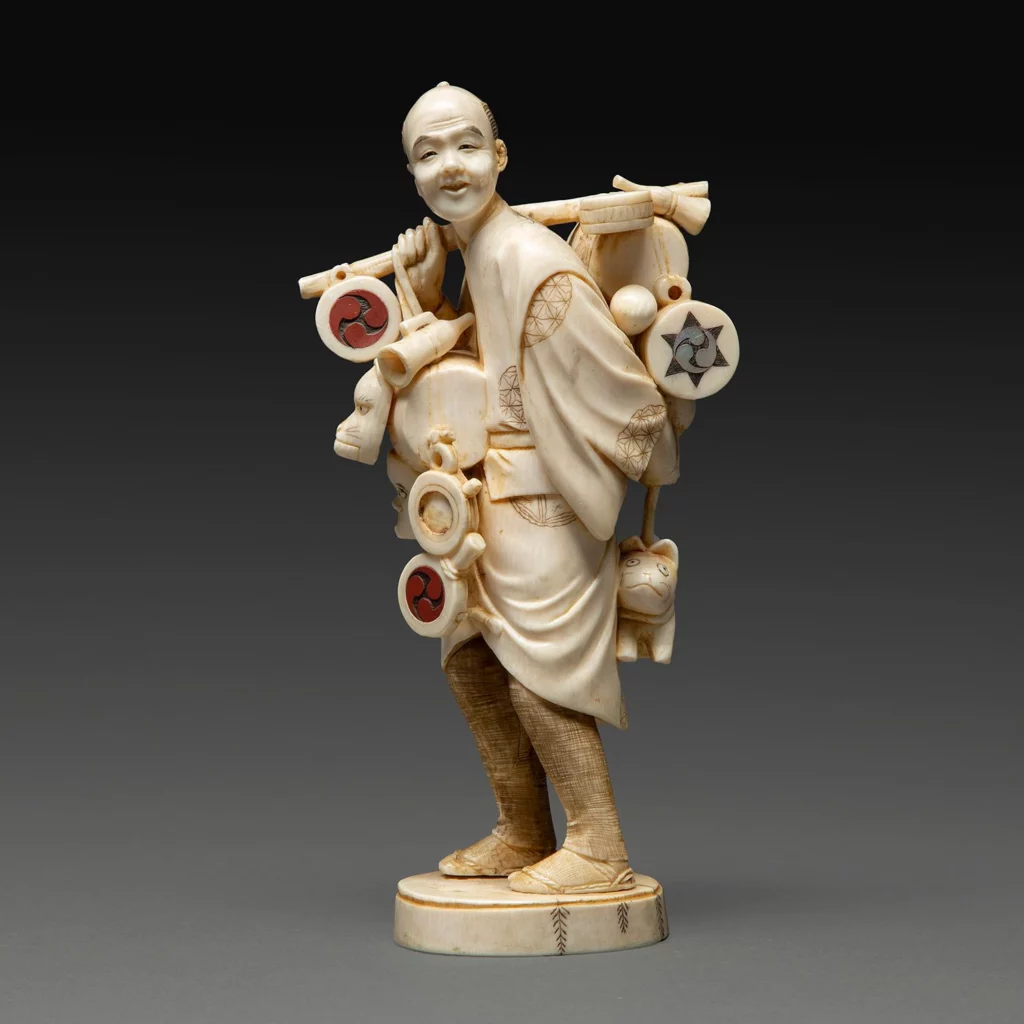
Okimono is a traditional Japanese art form, comprising ornamental sculptures often made of ivory, wood, or metal. These works, highly prized in the 19th century, were designed to be displayed in Japanese homes, symbolizing elegance and culture. Here is an overview of the history of okimono, carving techniques, and its place in Japanese art today.
Okimono: The Refined Art of Japanese Ornamental Carving Read More »
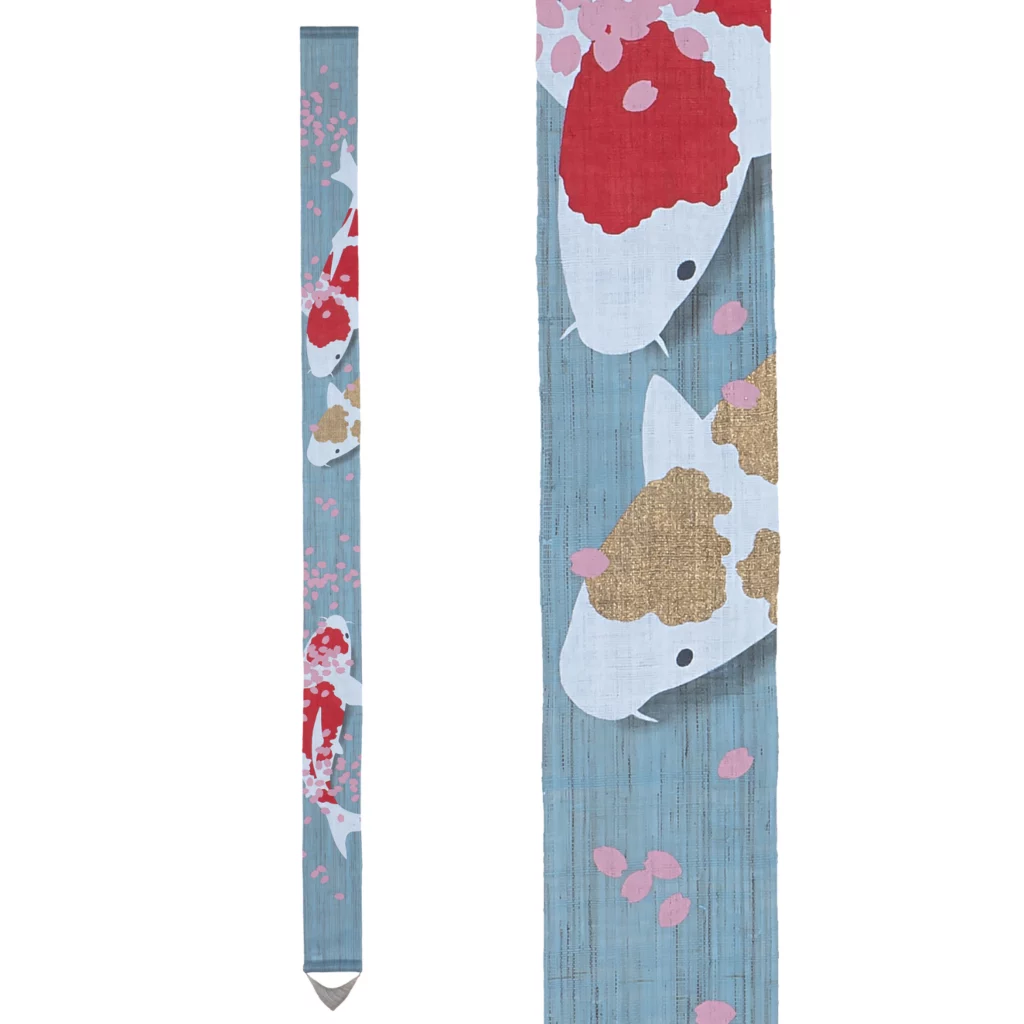
Kakemonos are Japanese works of art that add a touch of elegance to your interior decor. These hanging scrolls, often decorated with paintings or calligraphy, add character to any space. Find out how these decorative elements can transform your interior and where you can buy them. 1. What is a Kakemono? A kakemono is a
Kakemonos: For Authentic Interior Decor Read More »
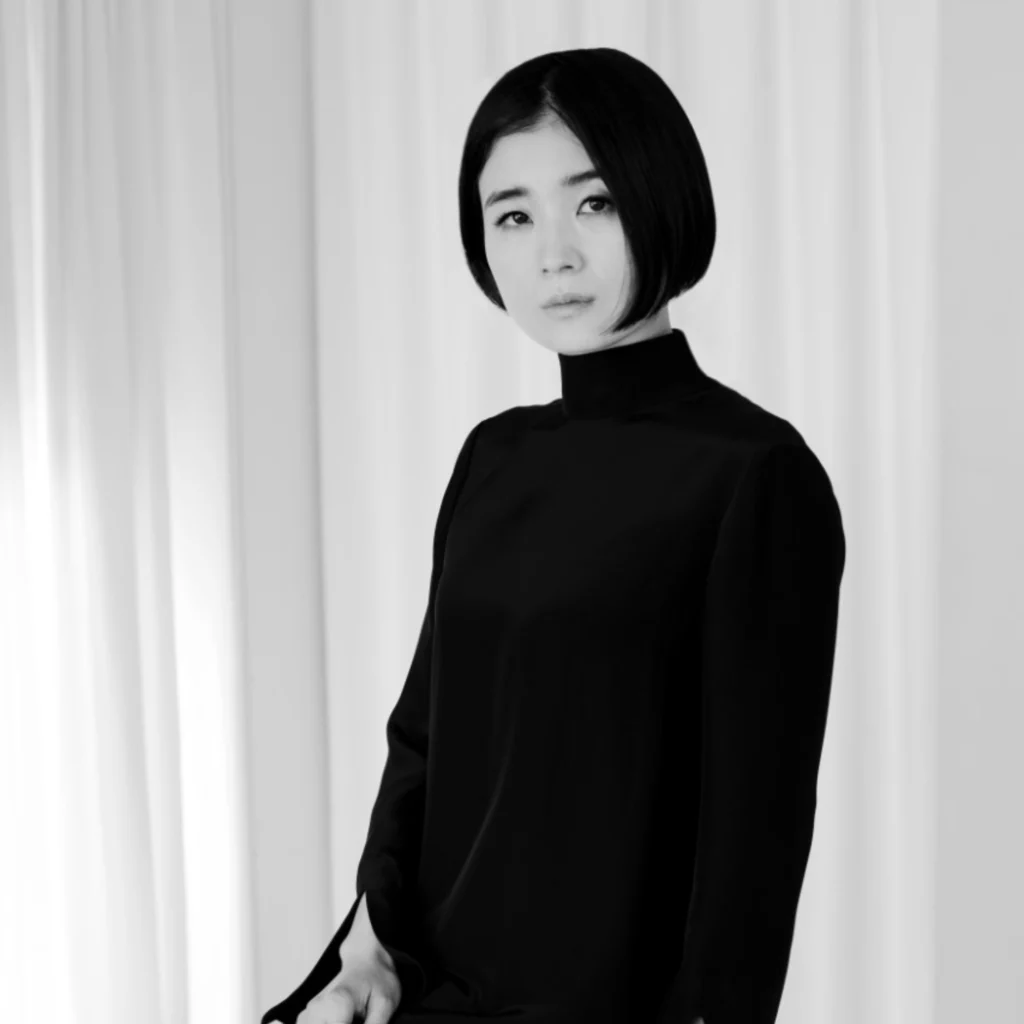
The Origins and Journey of Mame Kurogouchi Mame Kurogouchi, born in Japan, grew up surrounded by traditional crafts. At a very young age, Japanese textiles influenced her, especially the work of dyes and weaving. She studied at the prestigious Bunka Fashion College in Tokyo. This is the one of Japan’s most renowned institutions for fashion
Mame Kurogouchi: The elegance of Japanese fashion Read More »
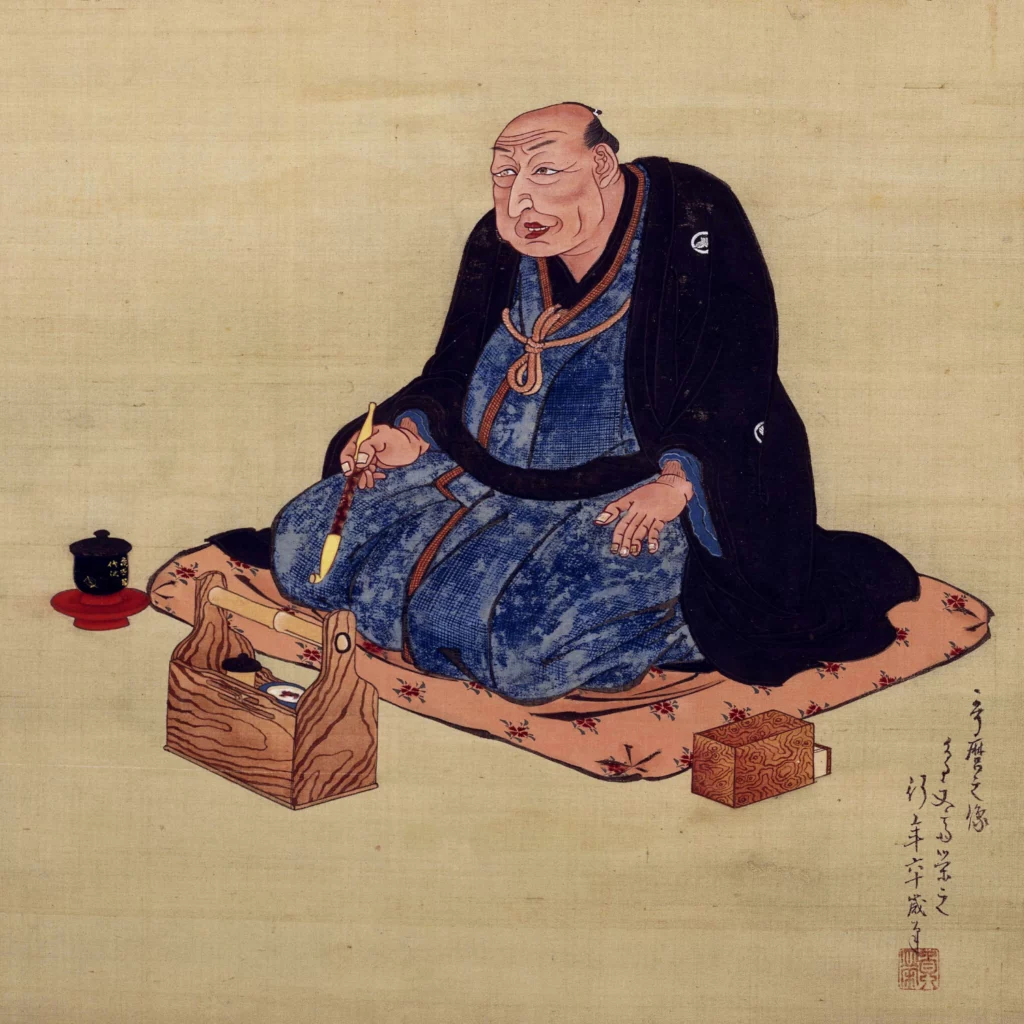
Kitagawa Utamaro (1753-1806) is one of the most renowned Japanese artists of the Edo period. He is known for his unrivaled elegance in his prints and portraits of women, called bijin-ga. His works subtly capture feminine beauty, emotion, and the immediacy of everyday life in Japan at the time. Utamaro left an indelible mark on
Kitagawa Utamaro, Master of Ukiyo-e and Japanese Portraits Read More »
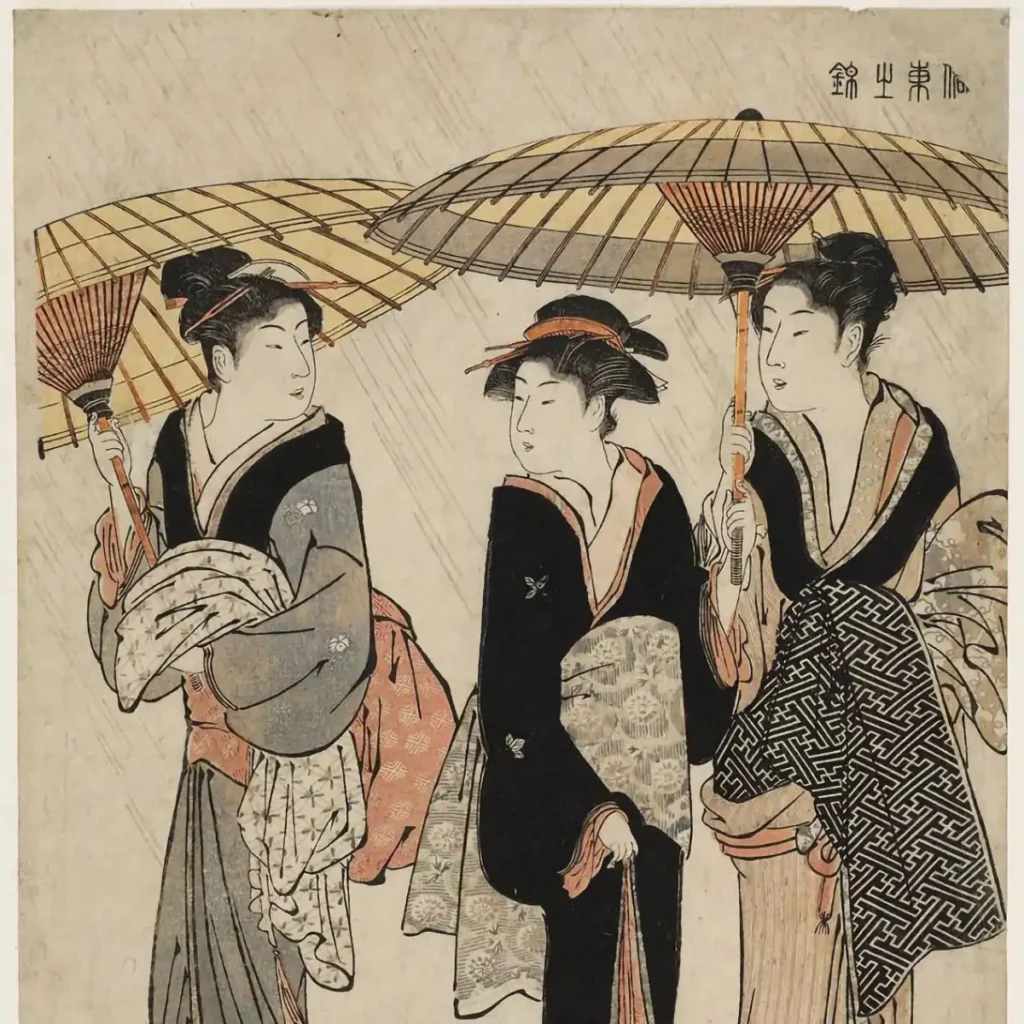
Torii Kiyonaga, born in 1752 in Edo (now Tokyo), is one of the most significant figures in Japanese ukiyo-e art. It is a genre of woodcuts and paintings that flourished in Japan between the 17th and 19th centuries. The adopted son of the famous artist Torii Kiyomitsu, Kiyonaga inherited the leadership of the Torii School.
Torii Kiyonaga: Master of the Japanese Art Ukiyo-e Read More »