The Omamori

The Omamori: Sacred Guardians of Japan

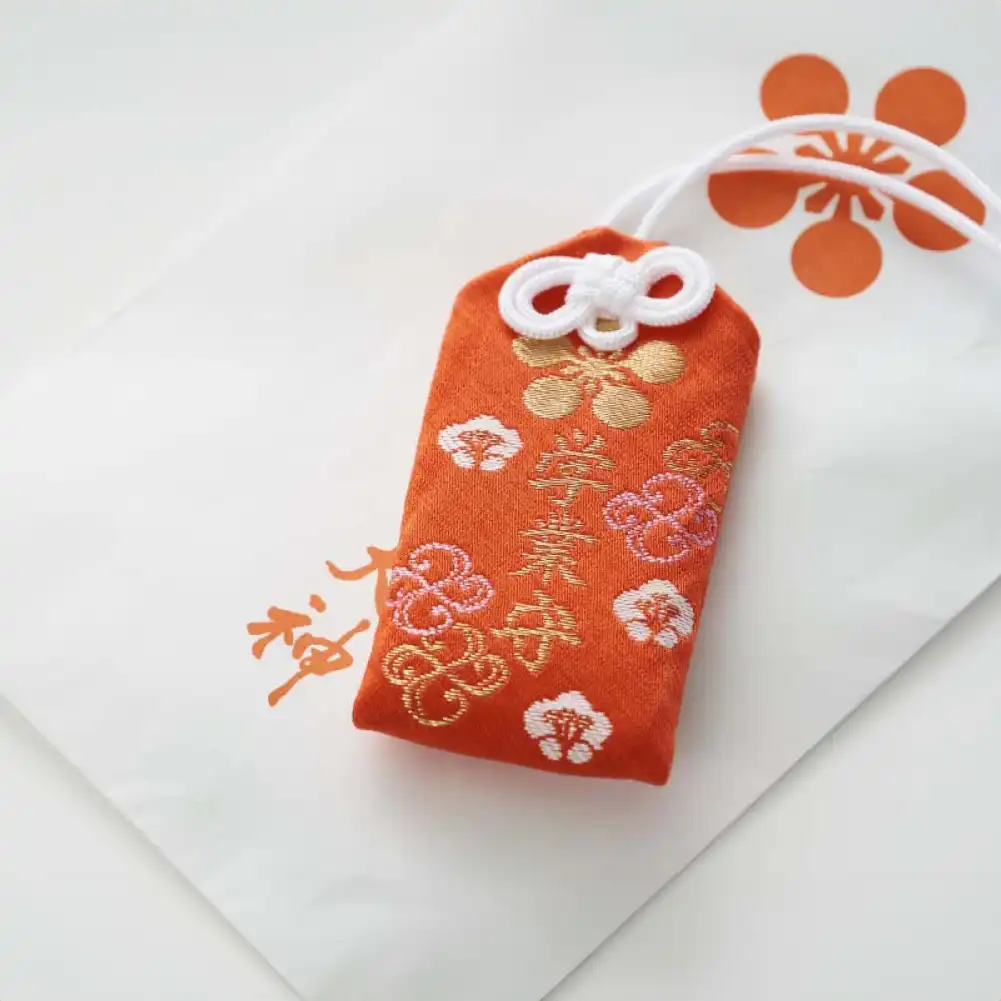
At the heart of Japanese culture, among its many centuries-old traditions, is an object that embodies spirituality, protection and faith: the Omamori. These small amulets are often richly decorated and colorful. They have become essential symbols of daily life in Japan. But their meaning and history go back centuries. The Omamori: Origin and Meaning The […]

The Omamori: Sacred Guardians of Japan Read More »

Shōwa Era Expansionism

Japanese Expansionism during the Shōwa Era

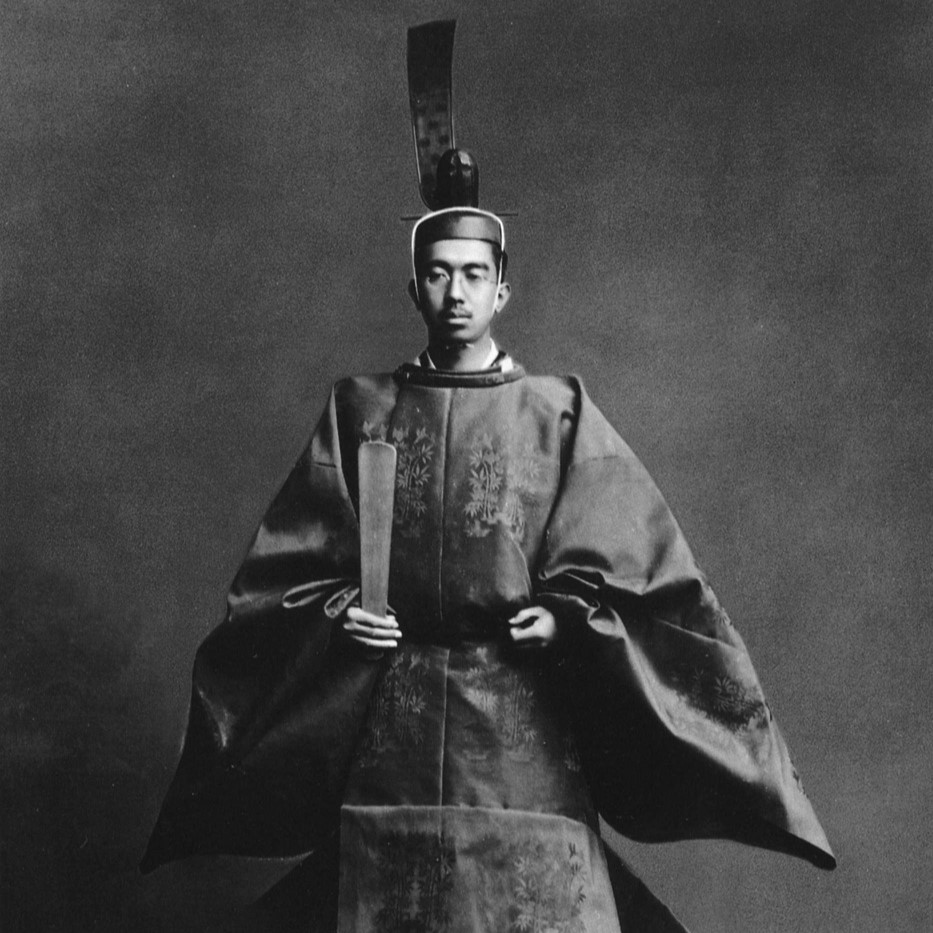
Japan’s Shōwa era spanned from 1926 to 1989; Japan marked this period with aggressive expansionism and military conflicts. Under the reign of Emperor Hirohito, Japan sought to expand its influence across Asia and the Pacific. This led to international tensions and devastating consequences. Historical Context of Expansionism during the Shōwa Era Japanese expansionism during the

Japanese Expansionism during the Shōwa Era Read More »

Omiya Bonsai National Park

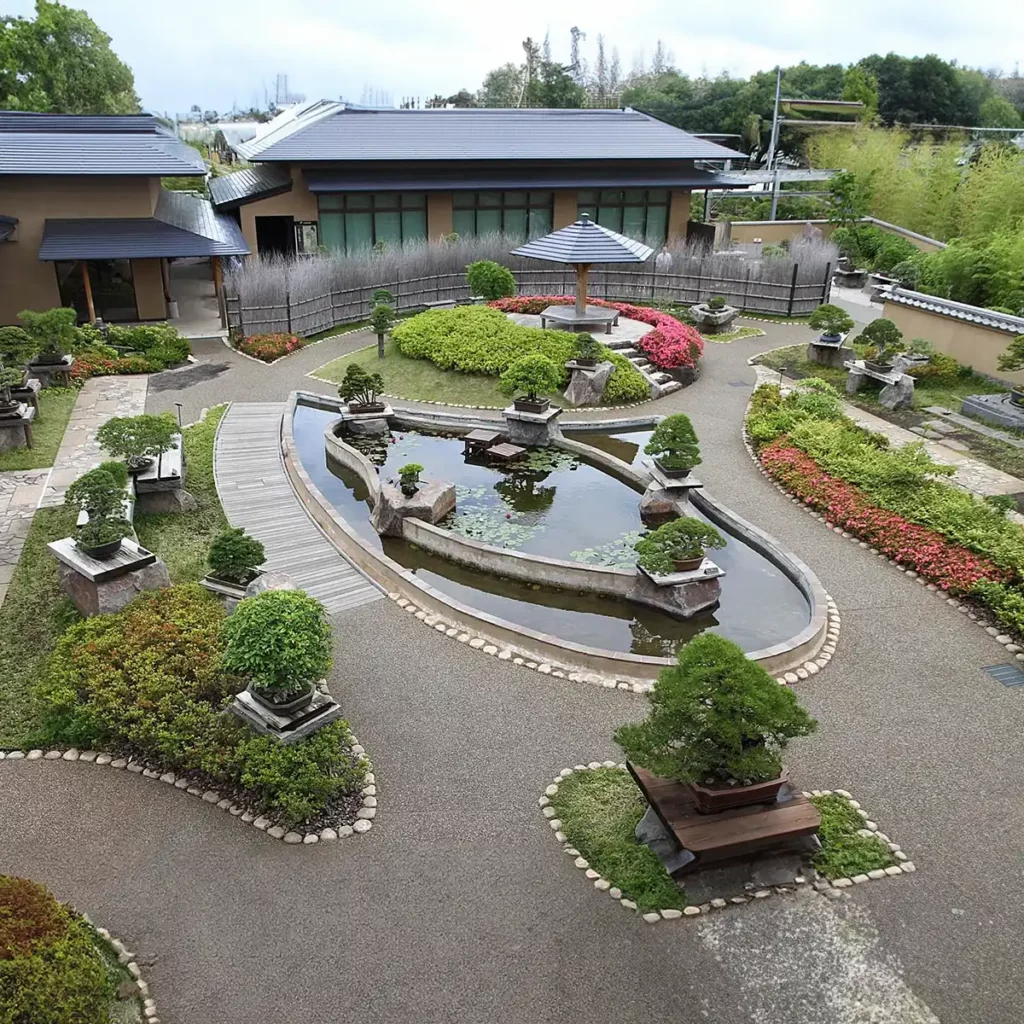
Omiya Bonsai National Park: Beauty and Tradition in Japan

Omiya Bonsai National Park, located in Saitama prefecture Japan, is a true thousand-year-old horticultural treasure. Founded in 1925, this park is dedicated to the preservation and promotion of the delicate art of bonsai. These miniature trees embody both the natural beauty and ancestral wisdom of the Japanese people. This park was originally established to house

Omiya Bonsai National Park: Beauty and Tradition in Japan Read More »

Kabira Bay

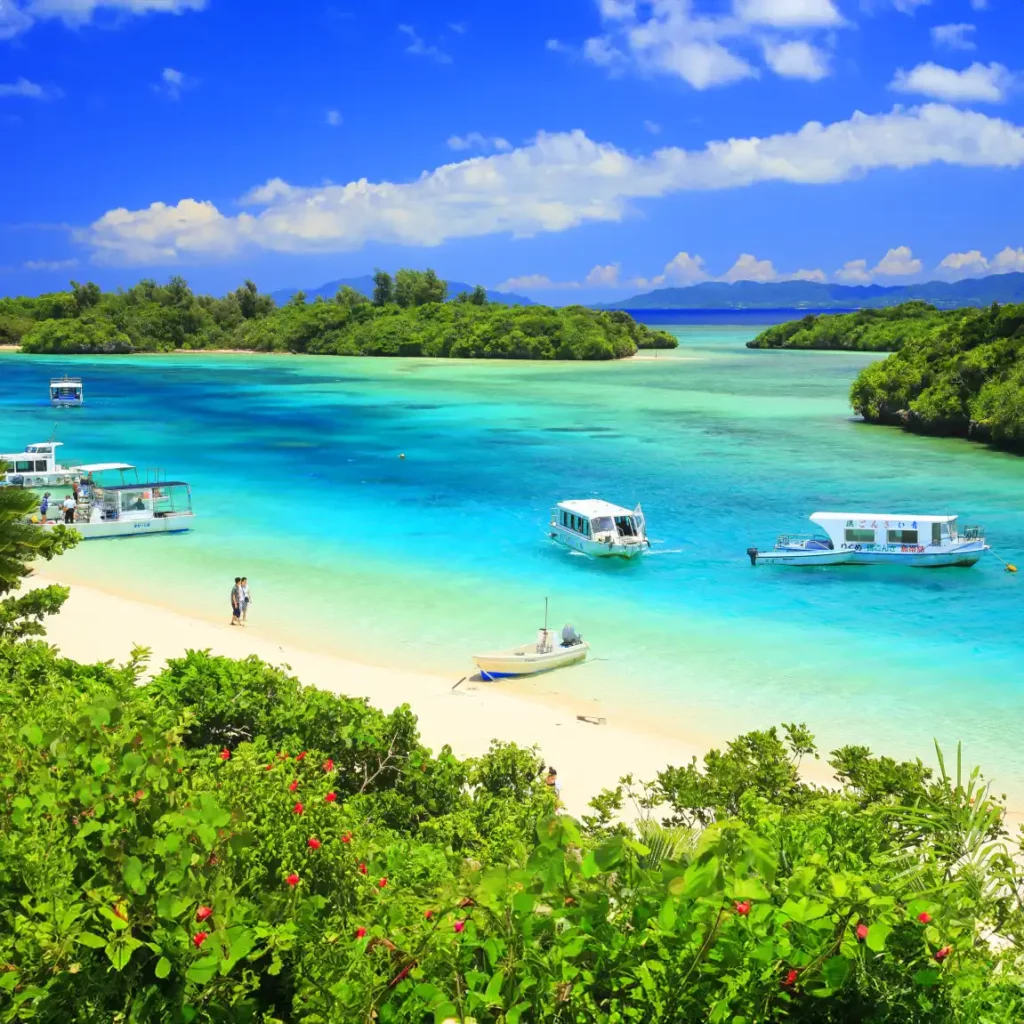
Kabira Bay: Subtropical Pearl of the Okinawa Archipelago

Kabira Bay is located on the subtropical island of Ishigaki in Japan. It is a natural wonder of breathtaking beauty. Nestled in the Pacific Ocean, this picturesque bay is renowned for its crystal clear waters, white sand beaches and spectacular scenery. Whether you are a scuba diving enthusiast, a nature enthusiast or simply a traveler

Kabira Bay: Subtropical Pearl of the Okinawa Archipelago Read More »

The Geishas

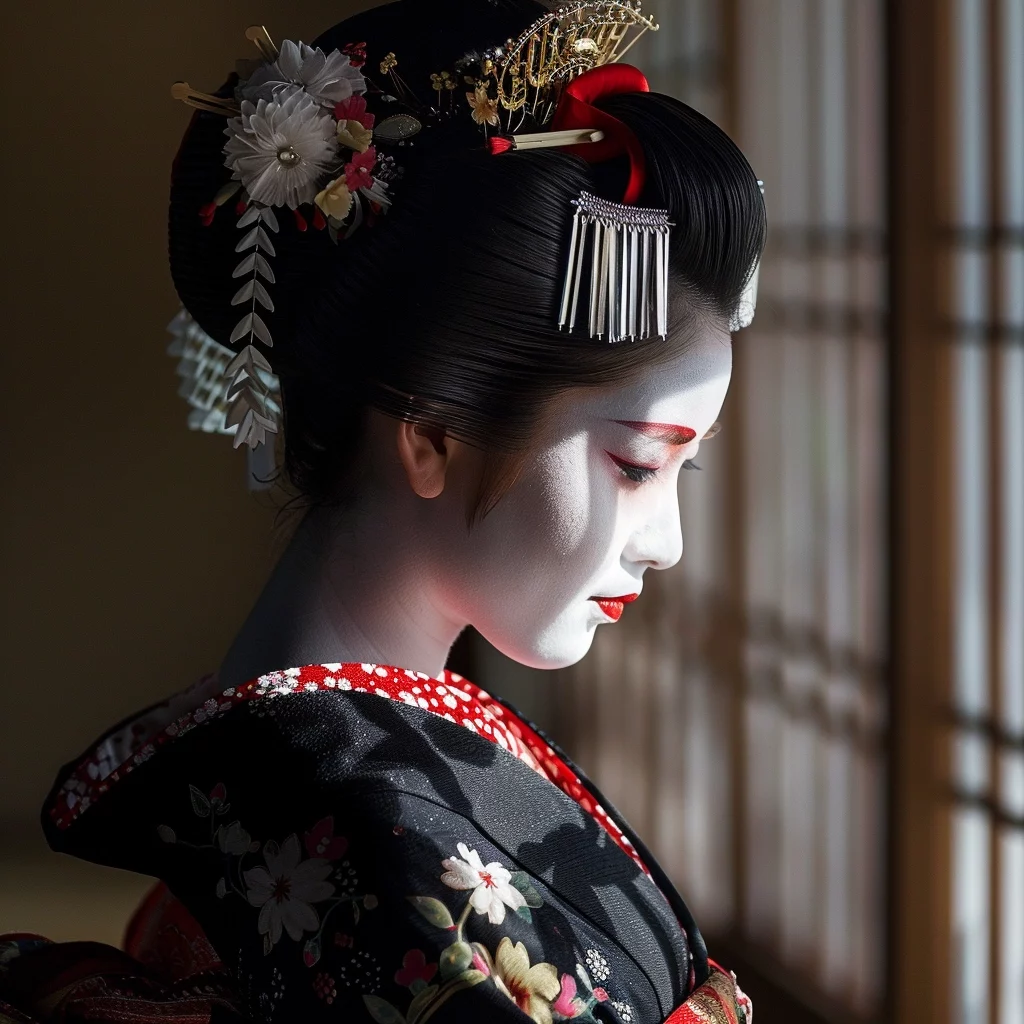
Geishas: Between Tradition and Elegance

Japan’s geishas, often shrouded in mystery and fascination, represent a symbol of elegance, tradition and refinement. These renowned artists embody a way of life and an aesthetic that dates back centuries. A tradition that permeates Japanese culture with their iconic presence. Let’s dive into the captivating world of geishas. And let’s discover their history, their

Geishas: Between Tradition and Elegance Read More »

Kumano Kodo Paths

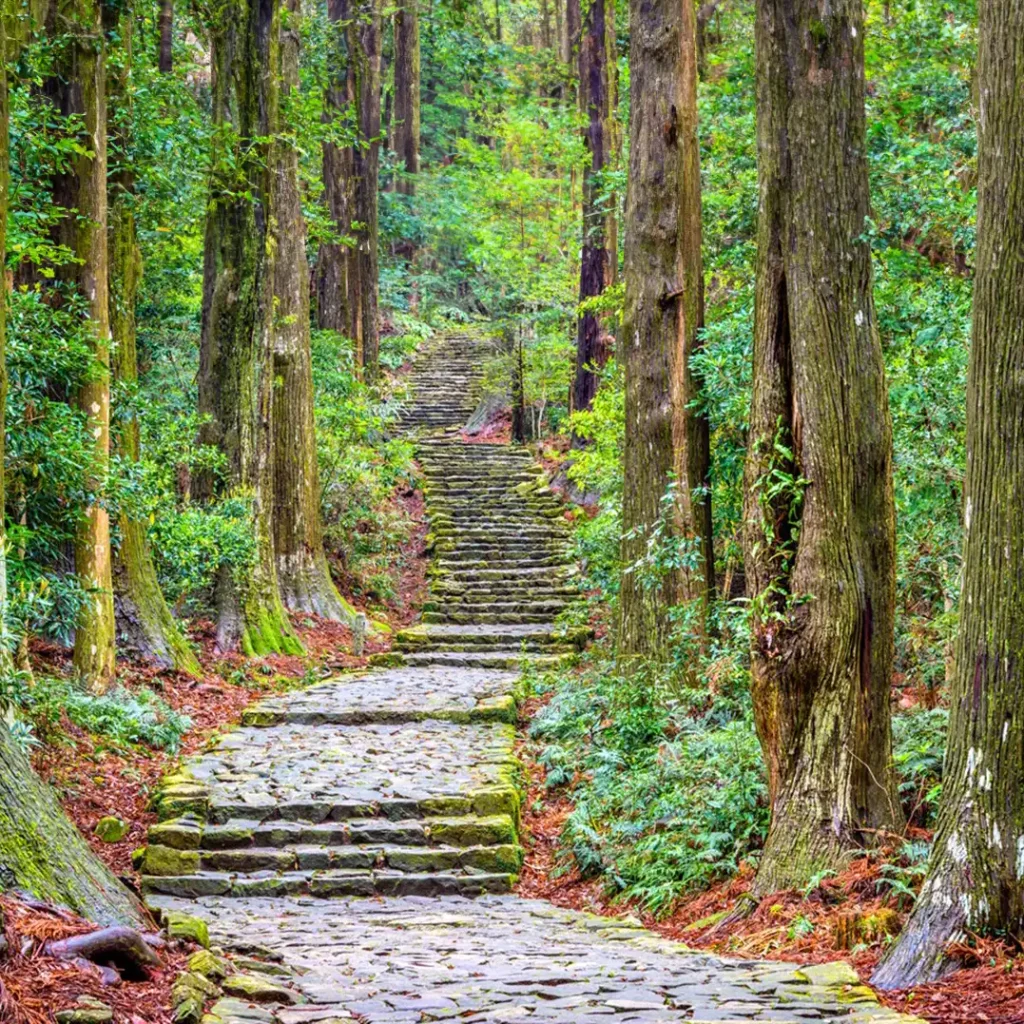
Kumano Kodo Paths: On the Road to a Pilgrimage to Japan

Nestled in the heart of the green mountains of Wakayama Prefecture, Japan, lies an ancient cultural and spiritual treasure: the paths of Kumano Kodo. These pilgrimage routes, more than 1000 years old, offer a unique experience that combines hiking, history, and spirituality. UNESCO recognizes them as a world heritage site. Kumano Kodo trails attract visitors

Kumano Kodo Paths: On the Road to a Pilgrimage to Japan Read More »

The Tsurugaoka Hachiman-gu Temple

Tsurugaoka Hachiman-gu Temple: A Historical Treasure

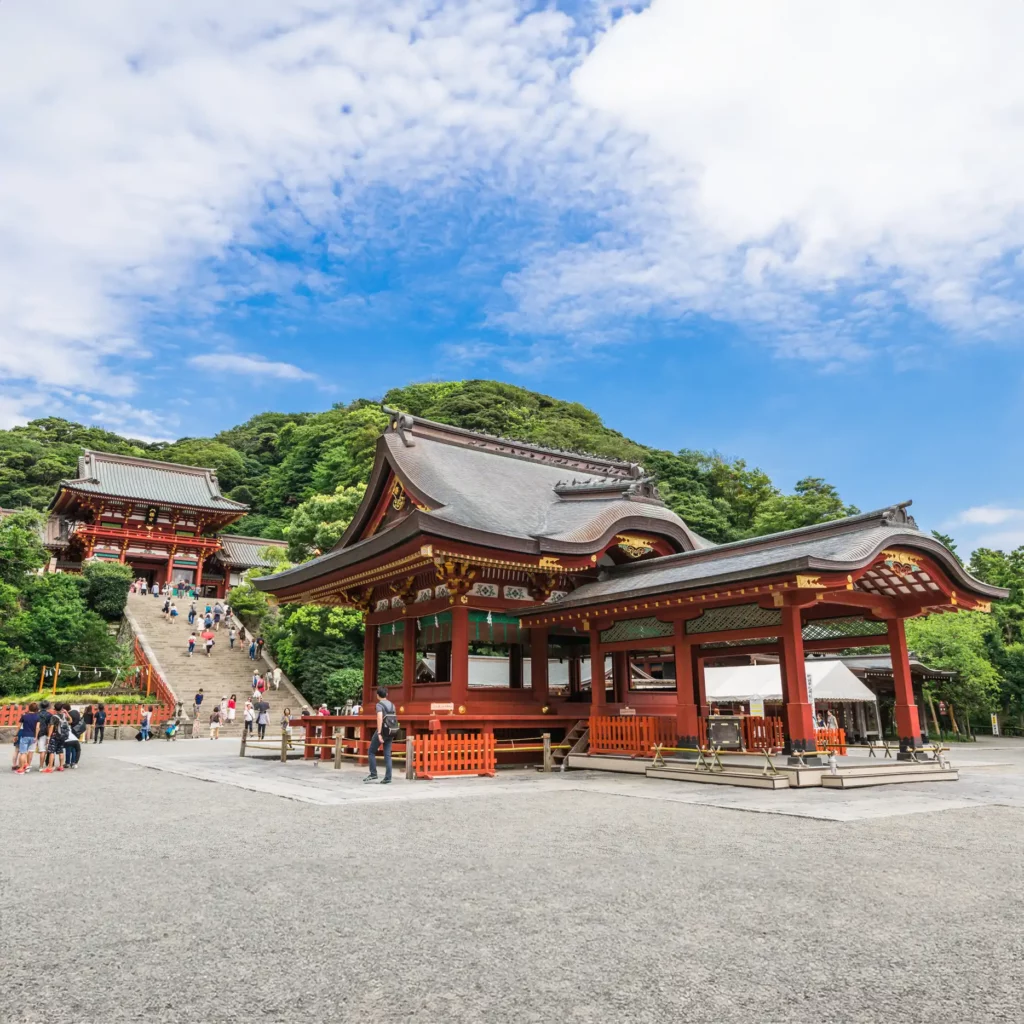
Nestled between the mountains and the ocean, the Tsurugaoka Hachiman-gu Temple in Kamakura, Japan, is well more than just a place of worship. Minamoto no Yoritomo created the temple in the 12th century. This emblematic Shinto temple is a true oasis of serenity. It offers visitors an unforgettable cultural and spiritual experience. Origins of Tsurugaoka

Tsurugaoka Hachiman-gu Temple: A Historical Treasure Read More »

Showa period

The Showa Period: Illuminating the History of Japan

The Showa period (“the era of enlightened peace”) extends from 1926 to 1989. It is a key period in Japanese history. This era was marked by many important events. Notably the Second World War and the reconstruction that followed, as well as significant economic, political and cultural changes. Historical Context of the Showa Period The

The Showa Period: Illuminating the History of Japan Read More »

Scroll to Top