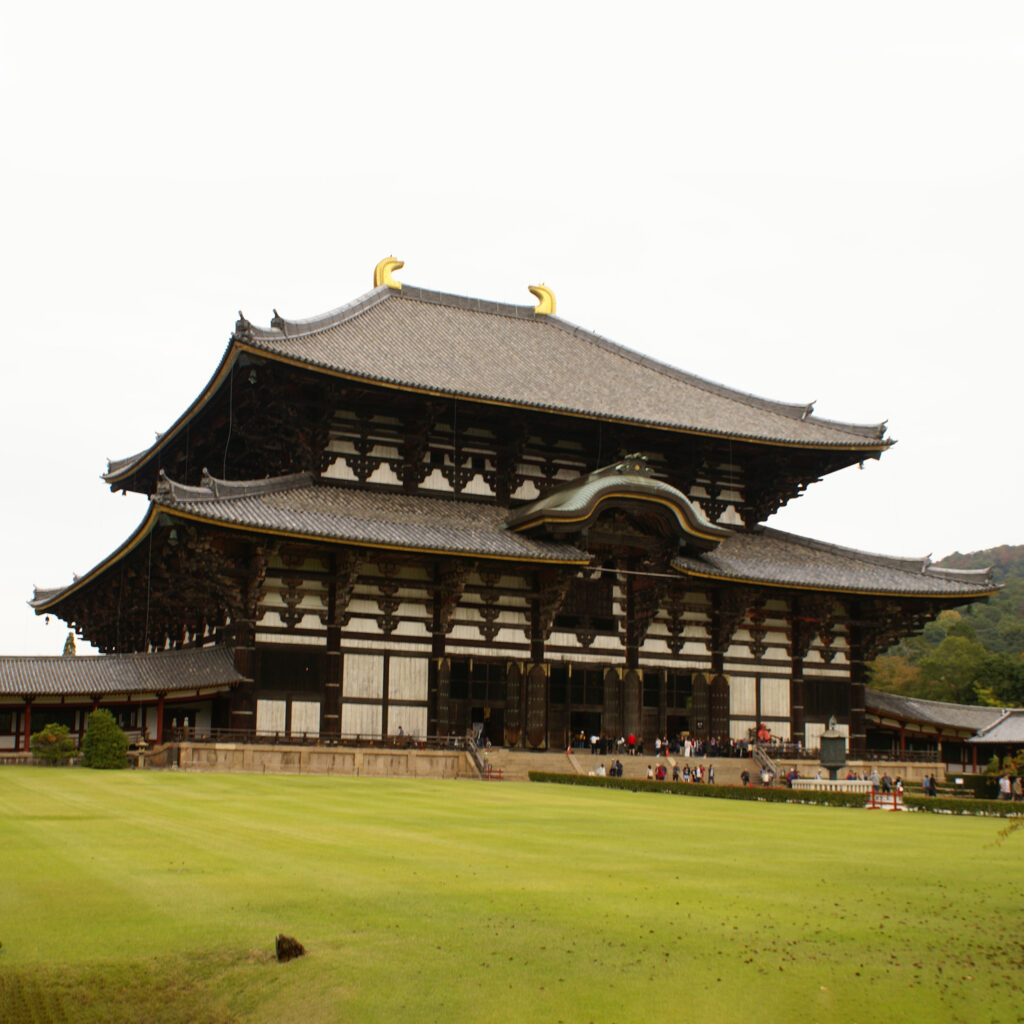
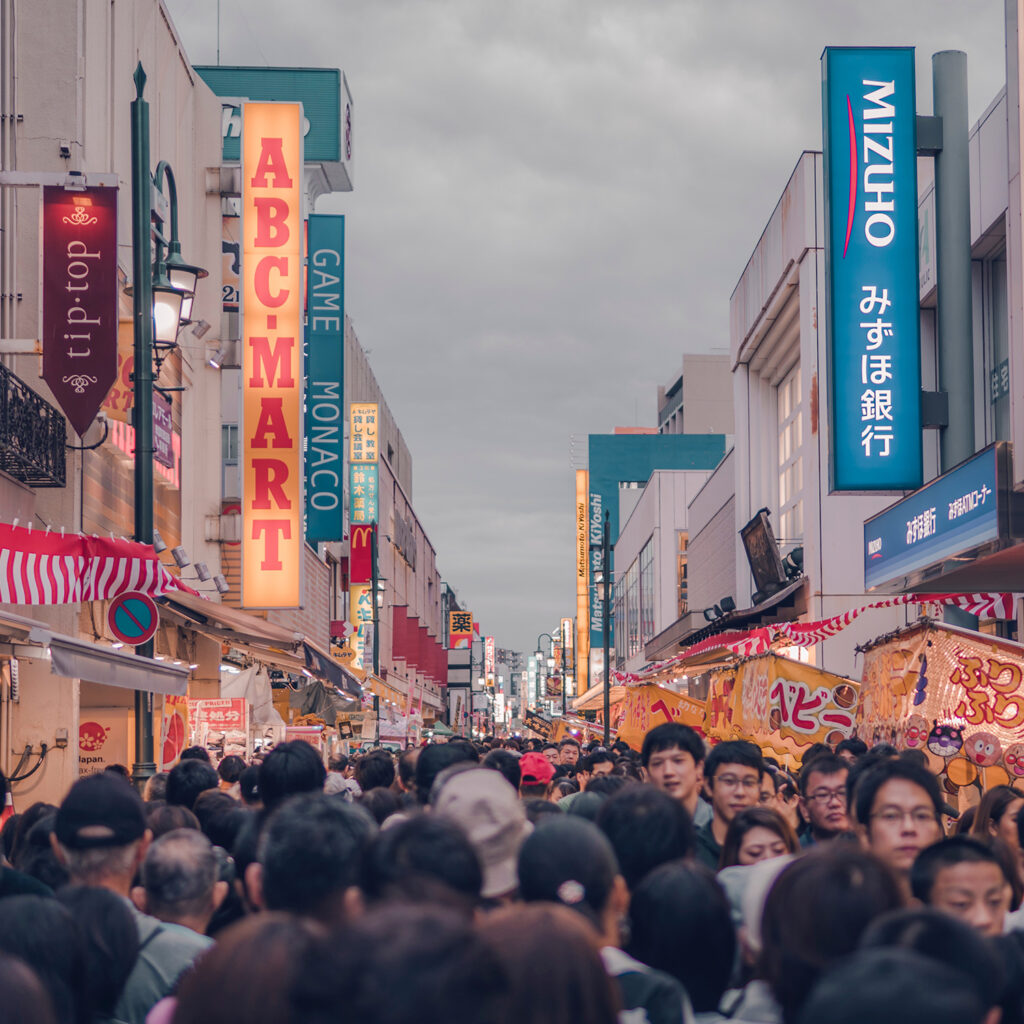
crowd in a shopping pedestrian street in Japan

Demography and population distribution of Japan

Japan is a sparsely populated country, with approximately 126 million people in 2021. Japan’s population is concentrated mainly in major cities such as Tokyo, Yokohama, Osaka and Nagoya. Tokyo, Japan’s largest city, is considered one of the most populous metropolises in the world with a population of approximately 13.5 million people. Its density of 342 […]

Demography and population distribution of Japan Read More »
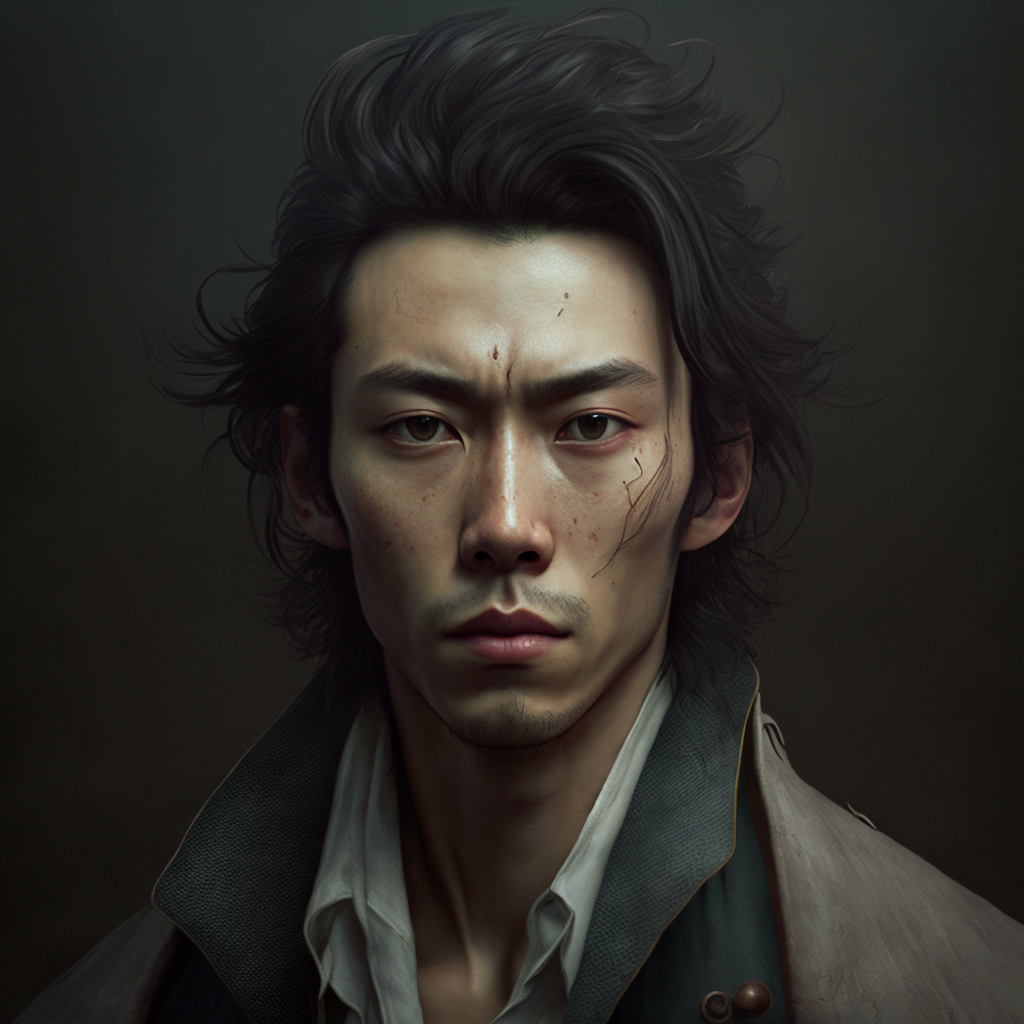
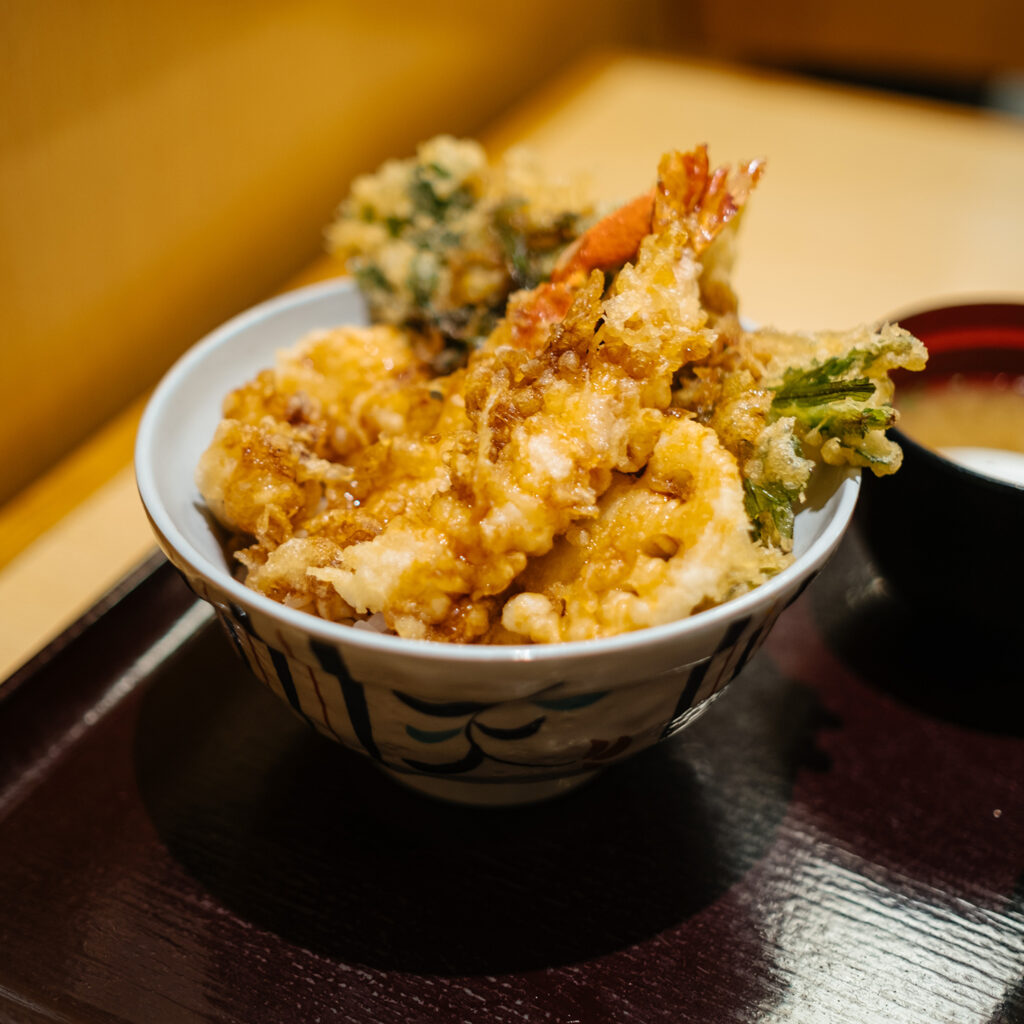
illustration representing young Ryūnosuke Akutagawa

Ryūnosuke Akutagawa: Father of New Japanese Modernism

Ryūnosuke Akutagawa (芥川龍之介, Akutagawa Ryūnosuke, March 1, 1892 – July 24, 1927) was a renowned Japanese writer, considered one of the founders of modern Japanese short stories. He was born in 1892 in Tokyo and died aged 35 in 1927. Akutagawa started writing at a young age and quickly gained a reputation as a talented

Ryūnosuke Akutagawa: Father of New Japanese Modernism Read More »

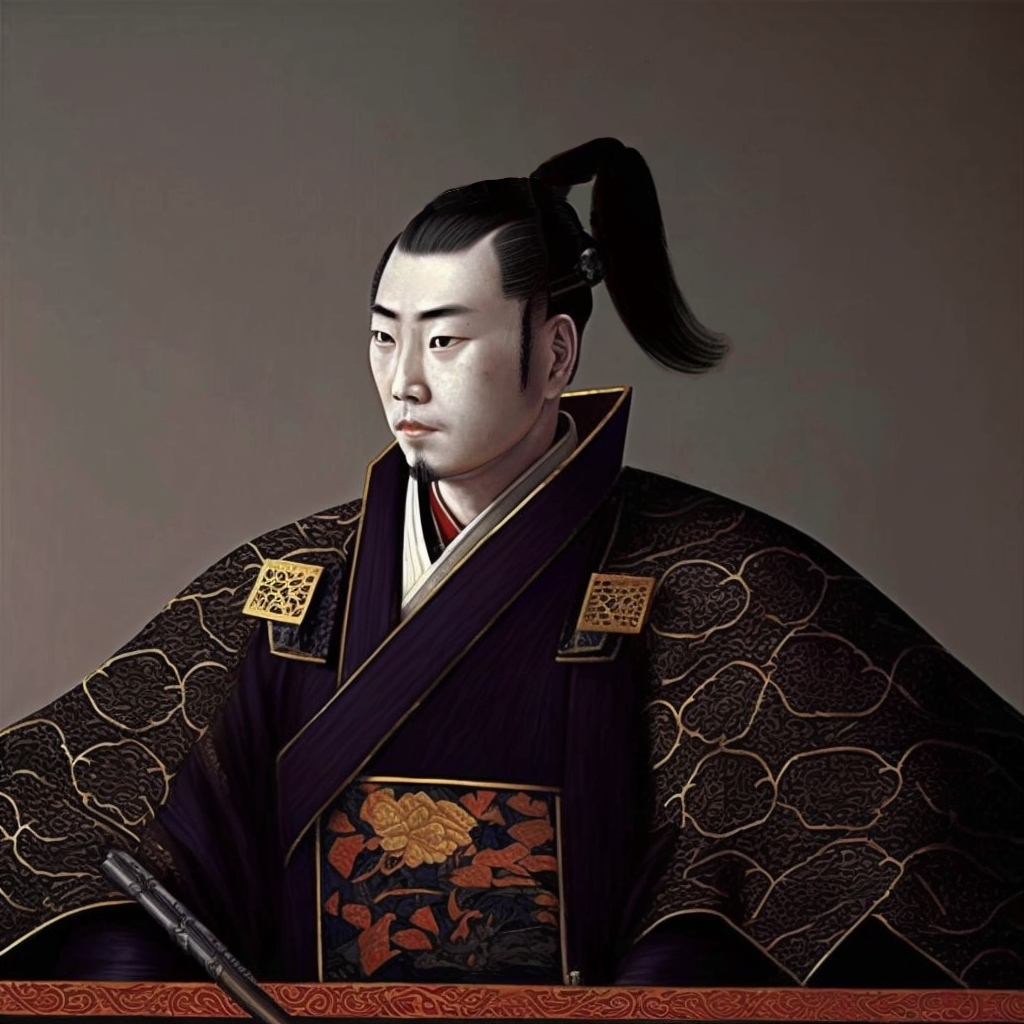
portrait of Japanese warrior leader Tokugawa Ieyasu

THE EDO PERIOD: The Tokugawa Shogunate 1603-1867

After the battle of Sekigahara (1600 ), Tokugawa Ieyasu who succeeded Hideyoshi took the old title of Shogun, after having defeated his last opponents. He will then establish the longest of the dynasties which will reign without sharing during almost three centuries of internal peace. In order to make a break with the other dynasties,

THE EDO PERIOD: The Tokugawa Shogunate 1603-1867 Read More »

WABI SABI, l’asymétrie, l’aspérité, la simplicité…

WABI SABI, asymmetry, roughness, simplicity

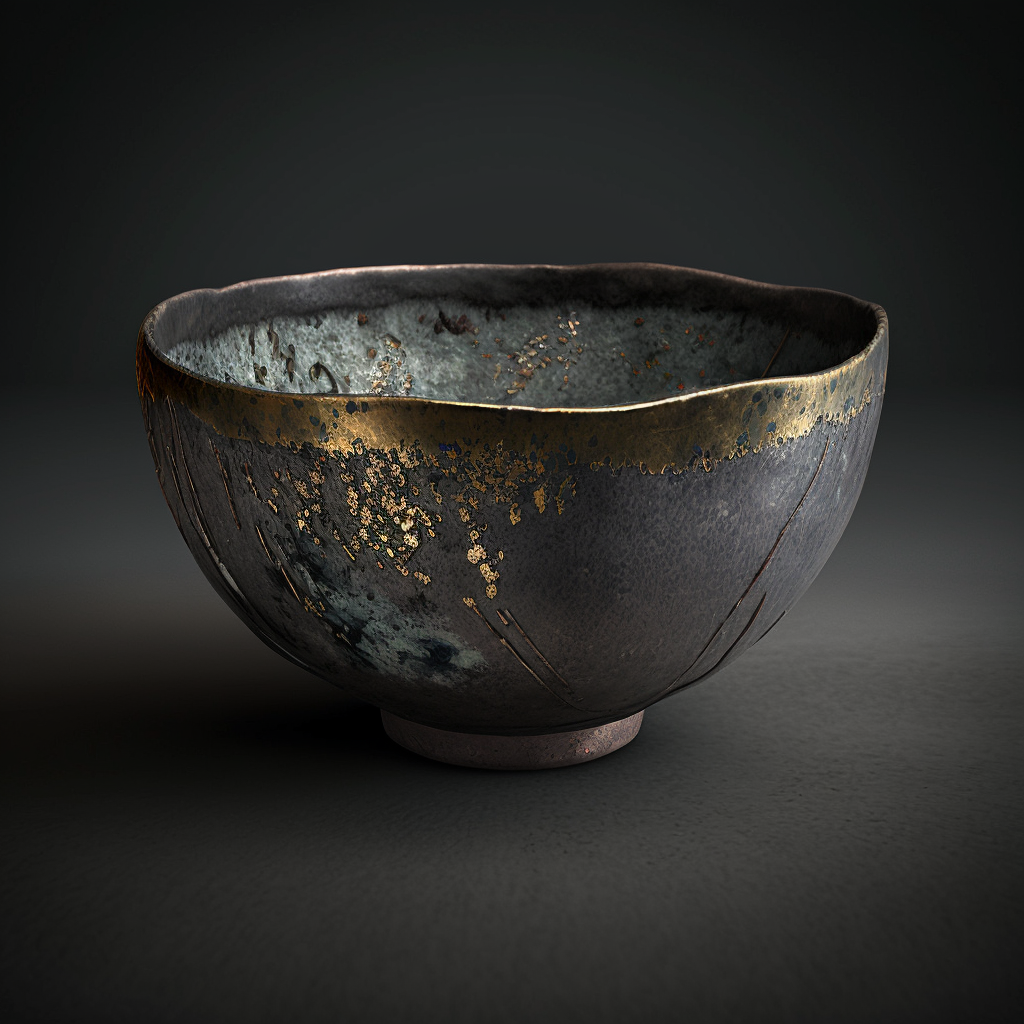
WABI SABI is a concept inspired by Japanese aesthetics, which has spread throughout the world. It is an art of living that consists of finding beauty in imperfection, the old and the unfinished. Asymmetry, asperity and simplicity are fundamental characteristics of this style. The aesthetics of WABI SABI WABI SABI is an aesthetic principle originating

WABI SABI, asymmetry, roughness, simplicity Read More »

Scroll to Top