
Taiyō no tō - Tarō Okamoto

Tarō Okamoto: biography of an influential Japanese art artist

Tarō Okamoto (岡本 太郎, Okamoto Tarō) was a Japanese painter, sculptor and multidisciplinary artist, famous for his colourful and bold works. Born in 1911 in Kawasaki, Japan, Okamoto began painting at an early age and quickly developed a unique style that reflected his interests in modern Western art and Japanese artistic traditions. Okamoto studied art

Tarō Okamoto: biography of an influential Japanese art artist Read More »

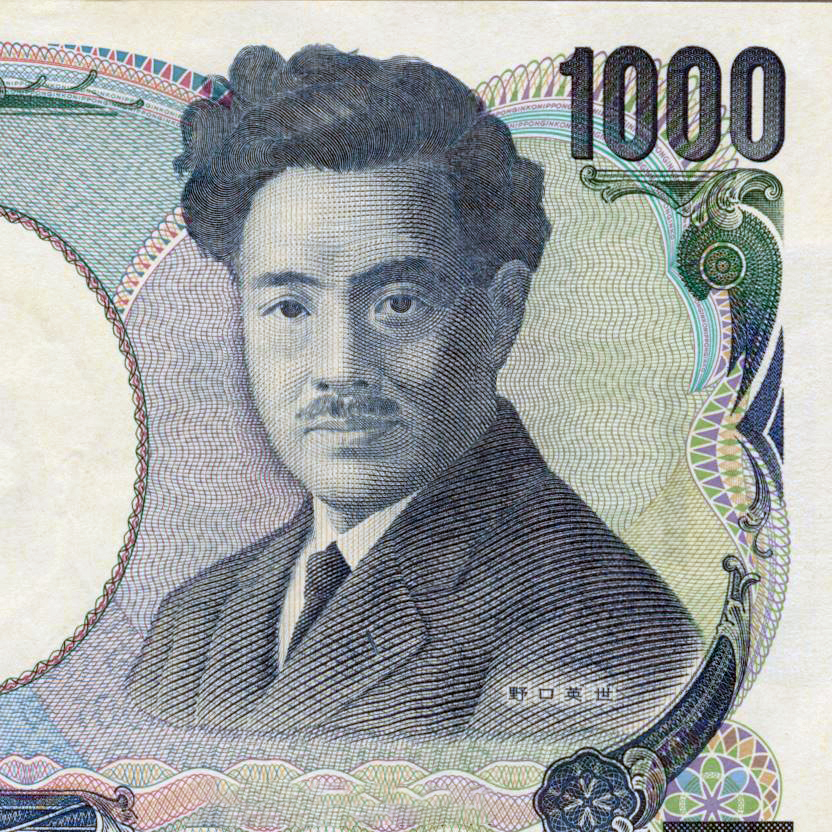
Hideyo Noguchi on the 1000 yen note

Hideyo Noguchi: the discoverer of the agent of syphilis

Hideyo Noguchi (野口 英世) was a Japanese physician and scientist born November 9, 1876. Noguchi is known for his contributions to syphilis research and also worked on yellow fever. Noguchi began his medical career in Japan, but soon joined the Rockefeller Institute for Tropical Medicine in New York in 1914. At that time, his work

Hideyo Noguchi: the discoverer of the agent of syphilis Read More »

The Nikkei index at the Tokyo Stock Exchange

The Tokyo Stock Exchange and the NIKKEI 225 Index

The Tokyo Stock Exchange The Tokyo Stock Exchange is one of the largest stock exchanges in the world and is considered one of the most important financial centers in Asia. It was founded in 1878 and is now managed by the Tokyo Stock Exchange, Ltd. The Tokyo Stock Exchange’s activities include trading in securities such

The Tokyo Stock Exchange and the NIKKEI 225 Index Read More »

superhero tokusatsu in the streets of tokyo

The lone superheroes of the Tokusatsu series

The origin Japanese lone superhero series originated at a time when children were beginning to show interest in masked heroes. Japanese producers seized the opportunity to create superhero stories that quickly gained popularity with the public. The origin of these series was heavily influenced by American comic books and science fiction movies and by the

The lone superheroes of the Tokusatsu series Read More »

japanese geta store

Japanese geta

Geta are traditional Japanese sandals that date back to the Edo period (1603-1868). They consist of a wooden platform and two straps that are attached to the toe and ankle. Geta are often associated with Japanese culture and are worn for various occasions including parties, weddings and festivals. Geta are considered a symbol of Japanese

Japanese geta Read More »

Scroll to Top