M. D.

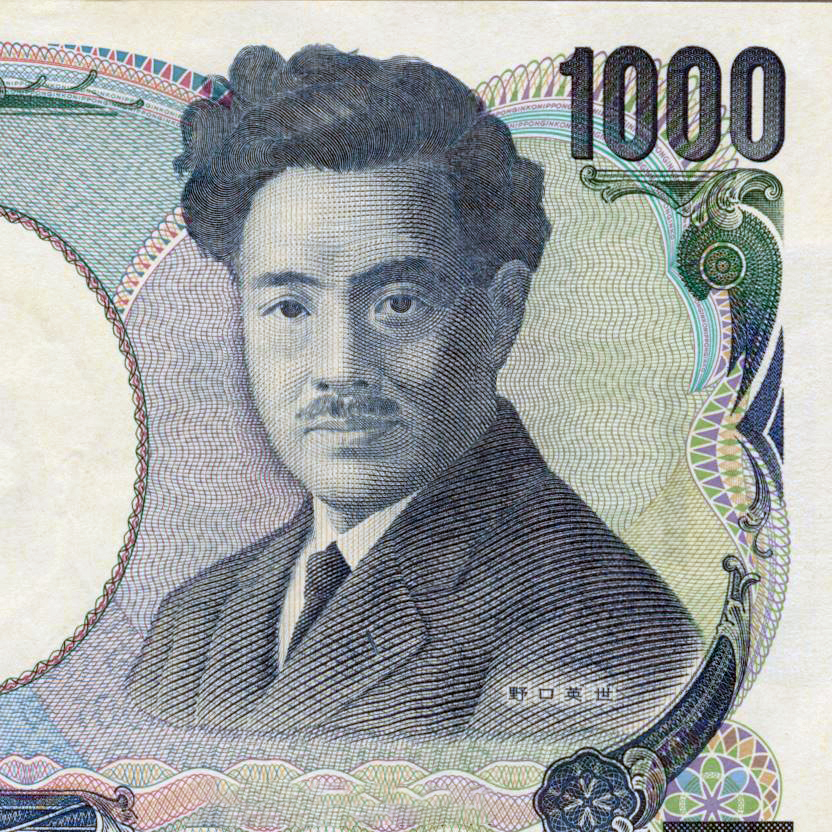
Hideyo Noguchi on the 1000 yen note

Hideyo Noguchi: the discoverer of the agent of syphilis

Hideyo Noguchi (野口 英世) was a Japanese physician and scientist born November 9, 1876. Noguchi is known for his contributions to syphilis research and also worked on yellow fever. Noguchi began his medical career in Japan, but soon joined the Rockefeller Institute for Tropical Medicine in New York in 1914. At that time, his work

Hideyo Noguchi: the discoverer of the agent of syphilis Read More »

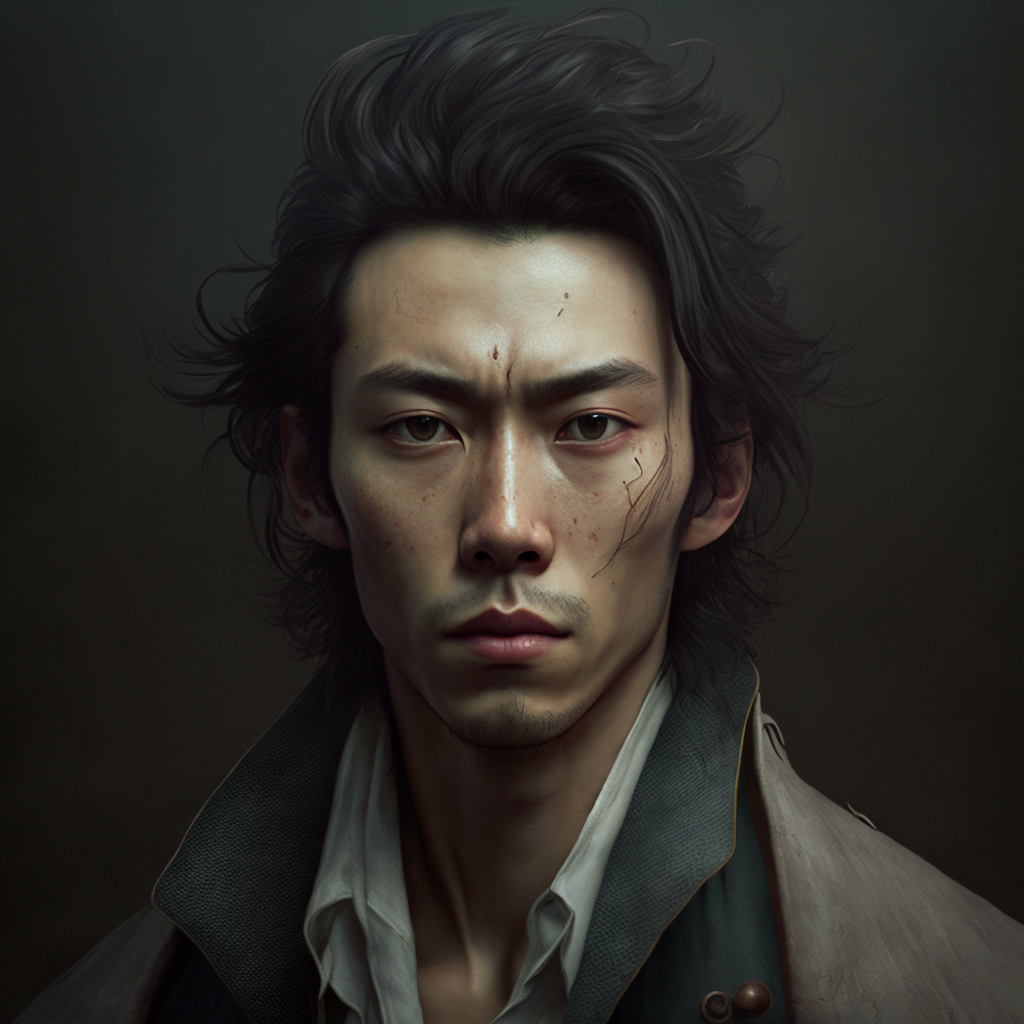
illustration representing young Ryūnosuke Akutagawa

Ryūnosuke Akutagawa: Father of New Japanese Modernism

Ryūnosuke Akutagawa (芥川龍之介, Akutagawa Ryūnosuke, March 1, 1892 – July 24, 1927) was a renowned Japanese writer, considered one of the founders of modern Japanese short stories. He was born in 1892 in Tokyo and died aged 35 in 1927. Akutagawa started writing at a young age and quickly gained a reputation as a talented

Ryūnosuke Akutagawa: Father of New Japanese Modernism Read More »

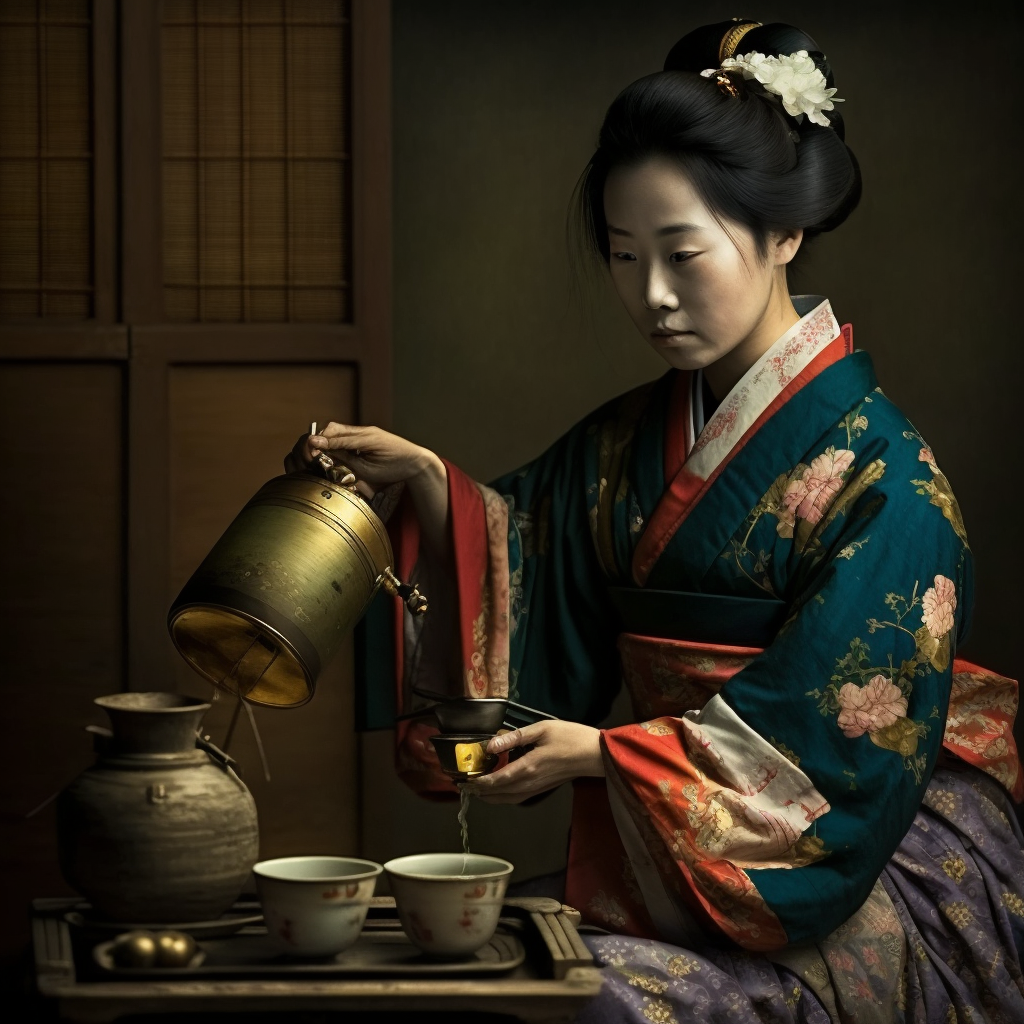
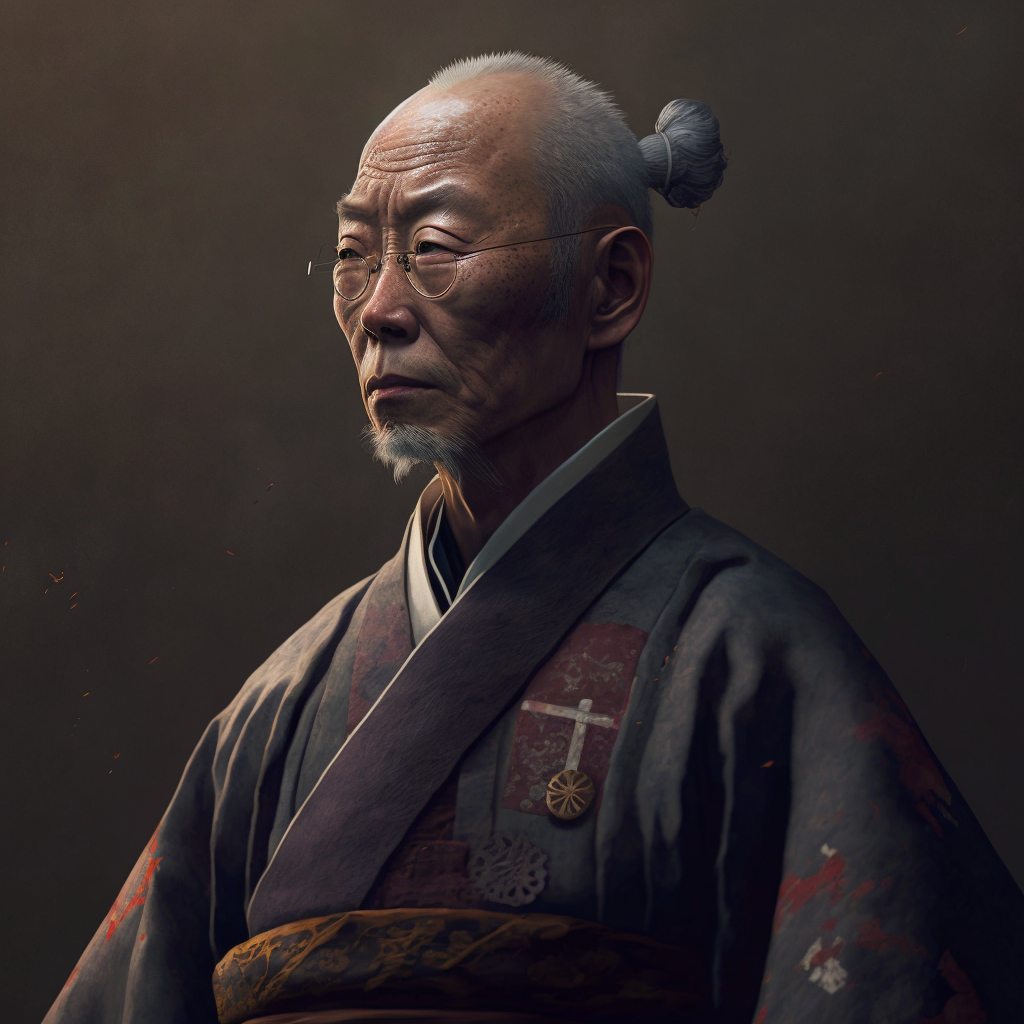
the early 20th century Japanese tea ceremony

Japanese tea ceremony

The tea ceremony, also called chanoyu or ocha in Japanese, is a ritual of drinking tea in a ceremonial and formal manner. This ceremony is considered an art in Japan and has been practiced for centuries. Utensils Chakin (茶巾) is a small cloth used to wipe the teacup when serving Japanese tea. Fukusa (袱紗) is

Japanese tea ceremony Read More »

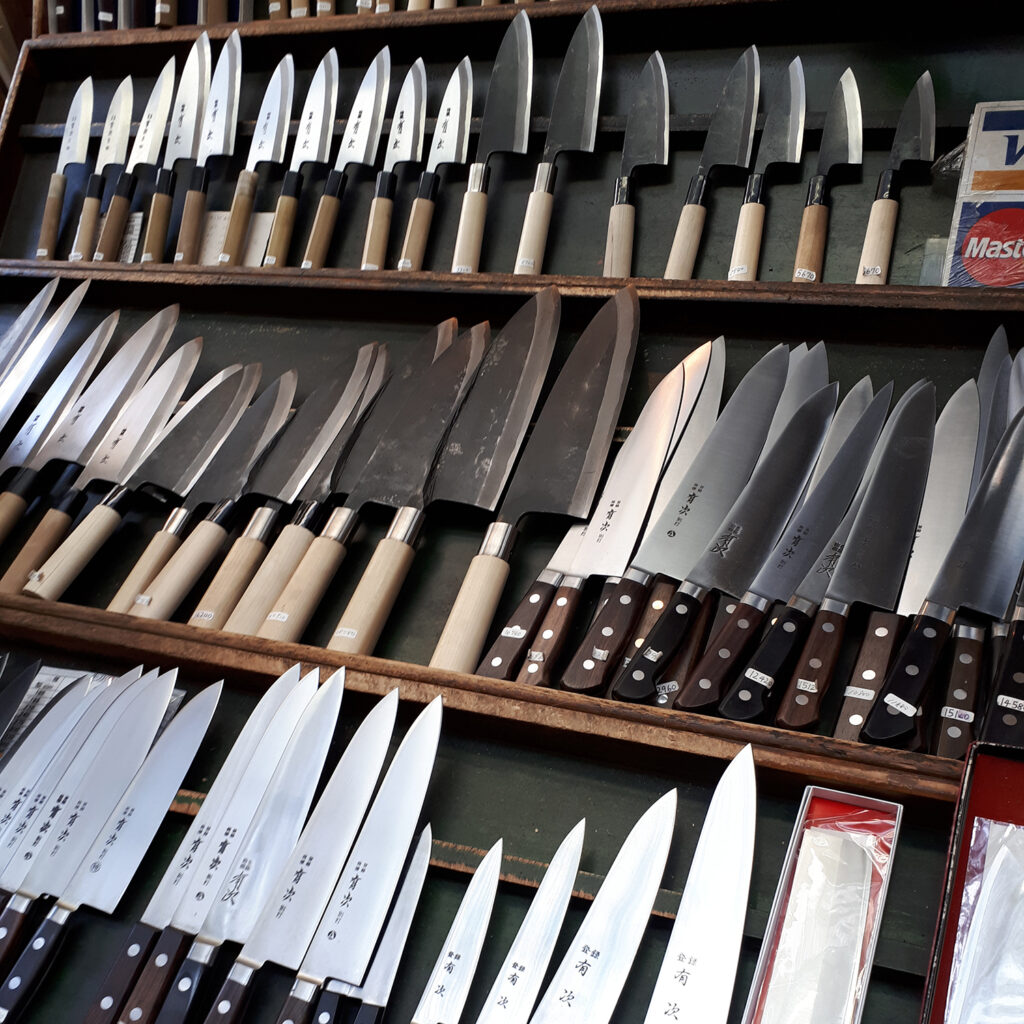
Japanese kitchen knife store in Tokyo

Japanese kitchen knives

Japanese knives are considered one of the best knives in the world for their quality, durability and design. The history of Japanese knives dates back centuries and they have evolved over time into the high-performance tools we know today. There are several types of Japanese knives, each designed for a specific use. The most common

Japanese kitchen knives Read More »

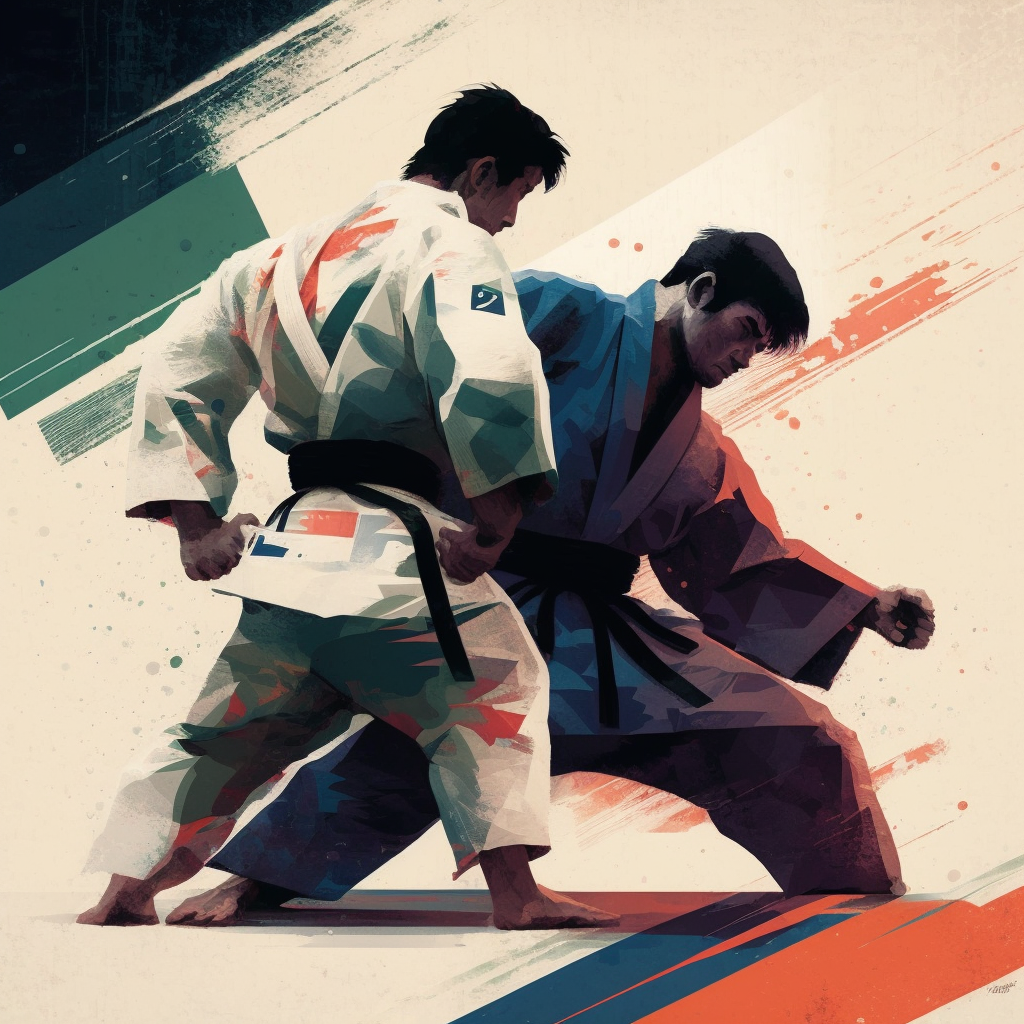
fight of two japanese judokas on a tatami at the olympic games

Japan at the Olympics

Japan participated in the Summer Olympics for the first time in 1912 in Stockholm, and in the Winter Olympics in 1972 in Sapporo. Japan hosted the Summer Olympics in Tokyo in 1964 and the Winter Olympics in Nagano in 1998. The 1964 Games in Tokyo were a moment of national pride for Japan and marked

Japan at the Olympics Read More »

Japanese painter Ito Jakuchu

Itō Jakuchū

Itō Jakuchū (1716-1800) was an 18th century Japanese painter and calligrapher. He was known for his silk paintings of birds, fish, and flowers, which were done with great fine detail and color. His works were highly regarded for their realism, subtlety and artistic sensibility. Itō Jakuchū was trained in the tradition of flower and bird

Itō Jakuchū Read More »

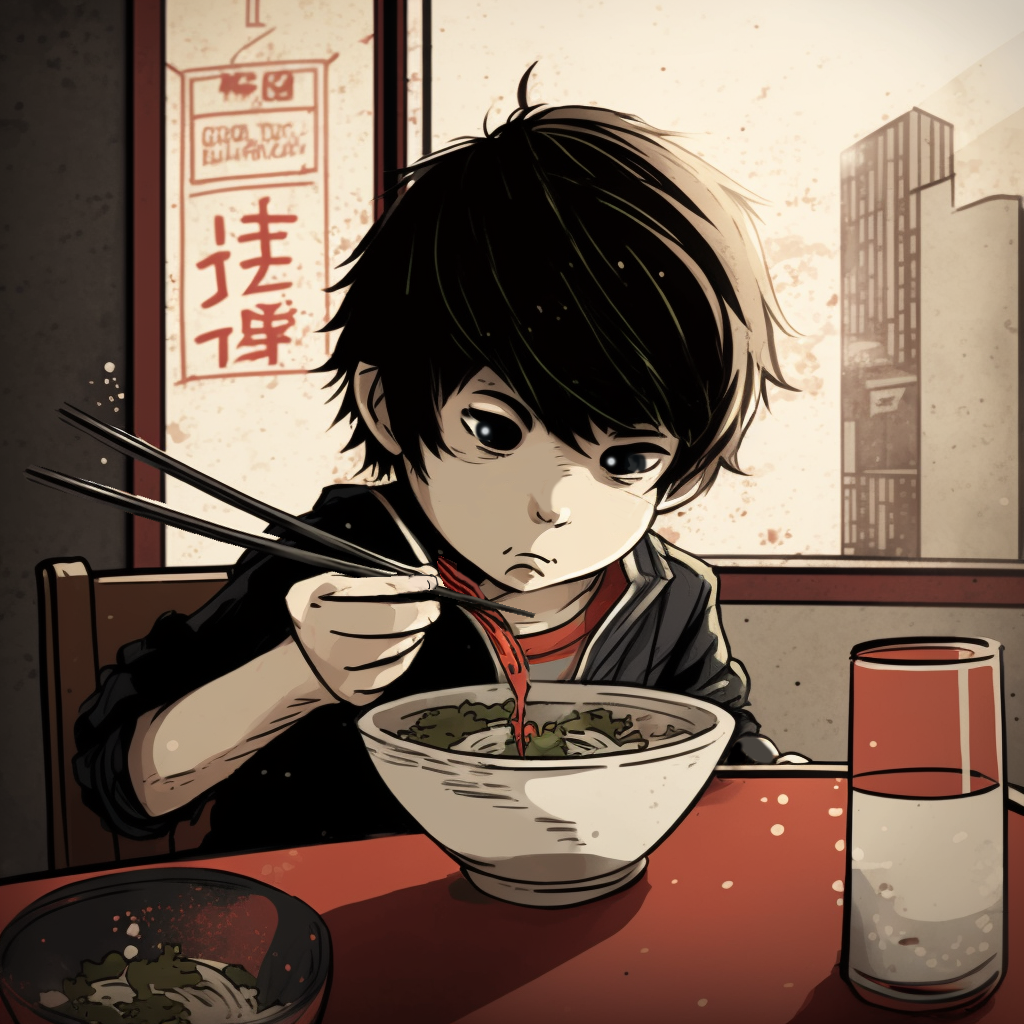
a japanese boy eats from a bowl with japanese chopsticks

Pairs of Japanese chopsticks

The origins Japanese chopsticks, called “hashi” in Japanese, are a popular kitchen tool used to eat Japanese food. Although it is not known exactly when chopsticks became common in Japan, it is generally accepted that they were introduced to Japan by the Chinese in the 7th century. At first, chopsticks were considered a symbol of

Pairs of Japanese chopsticks Read More »

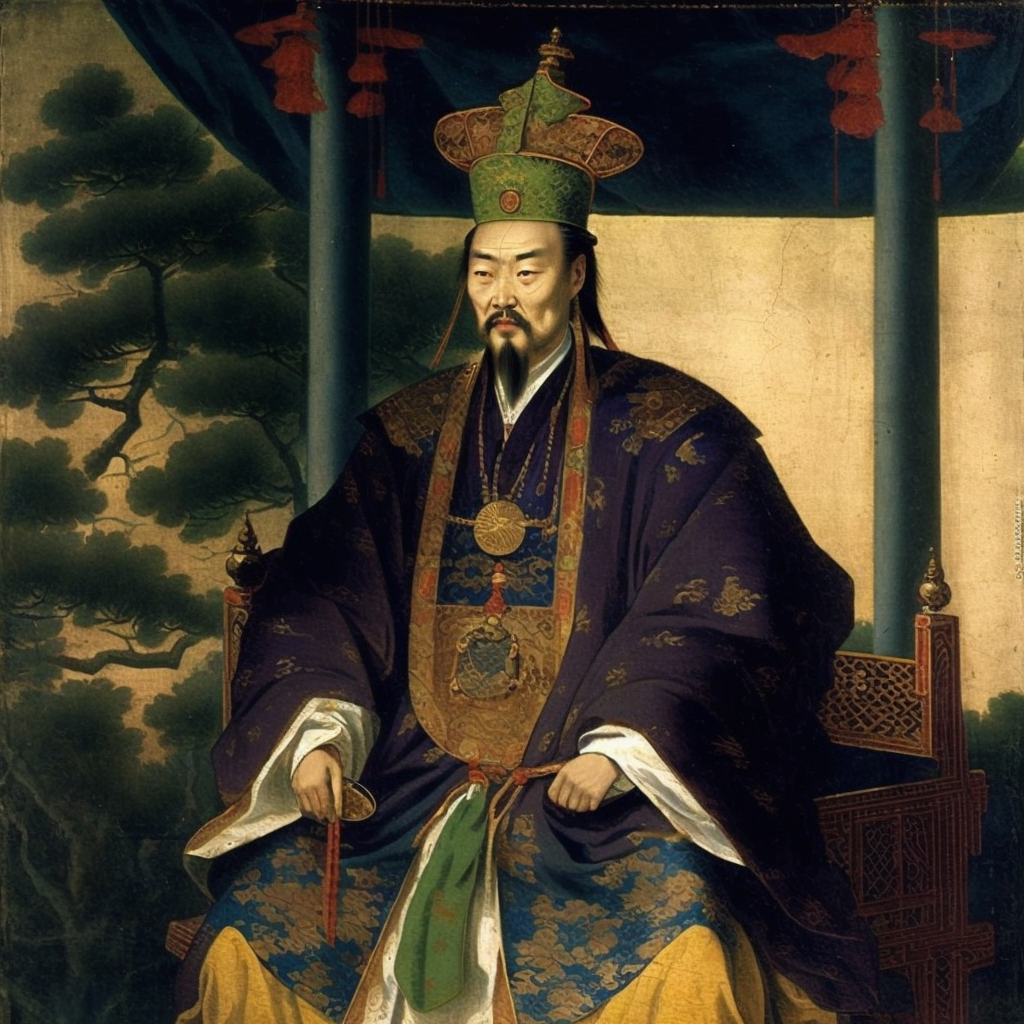
Japanese Emperor Kammu

From 794-1192; THE HEIAN ERA

the Heian era (794-1185) In 794, exasperated by the pressures made on him by the six Buddhist sects (Kusha-shû, 07Jôjitsu-shû, Hossô-shû , Sanron-shû, Ritsu-shû) to obtain more and more advantages and prerogatives, the ‘Emperor Kammu transfers the capital to Heiankyô (later renamed Kyôto). Faced with the rise of these sects, Emperor Kammu commissioned certain monks

From 794-1192; THE HEIAN ERA Read More »

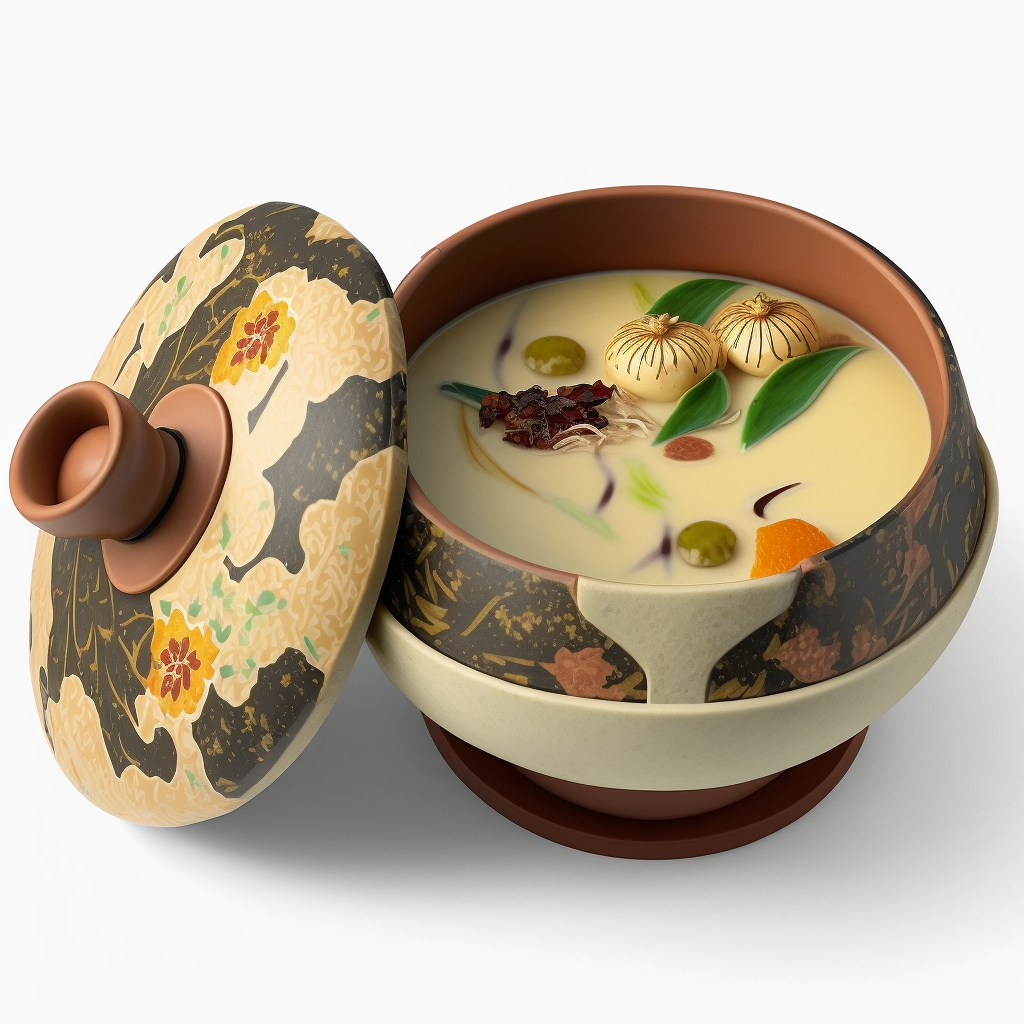
chawanmushi bowl with lid

The Chawanmushi

Chawanmushi is a savory, soft and creamy Japanese egg cream, often served as a starter. It’s made by mixing beaten eggs with dashi stock, chicken and shrimp, and other ingredients to add extra flavor and texture. This Japanese egg dish should have a smooth jelly consistency with no bubbles. Eggs gently beaten with dashi are

The Chawanmushi Read More »

Scroll to Top